


Lupivon 20mg Tablet 10s
 Item requires a valid prescription
Manufactured By LUPIN LTD
Composition Vonoprazan(20mg)
Rs 146.37
MRP Rs 174.25
(16% OFF)
Includes all taxes
Package SIZE
( 1 Strip )

100% Authentic
Products

Free
Shipping*

Products
Return Policy
Available Substitutes
-
Hetran 20mg Tablet 10s
HETERO DRUGS LTD
Rs 126.00
16 % OFF Rs 150.00 -
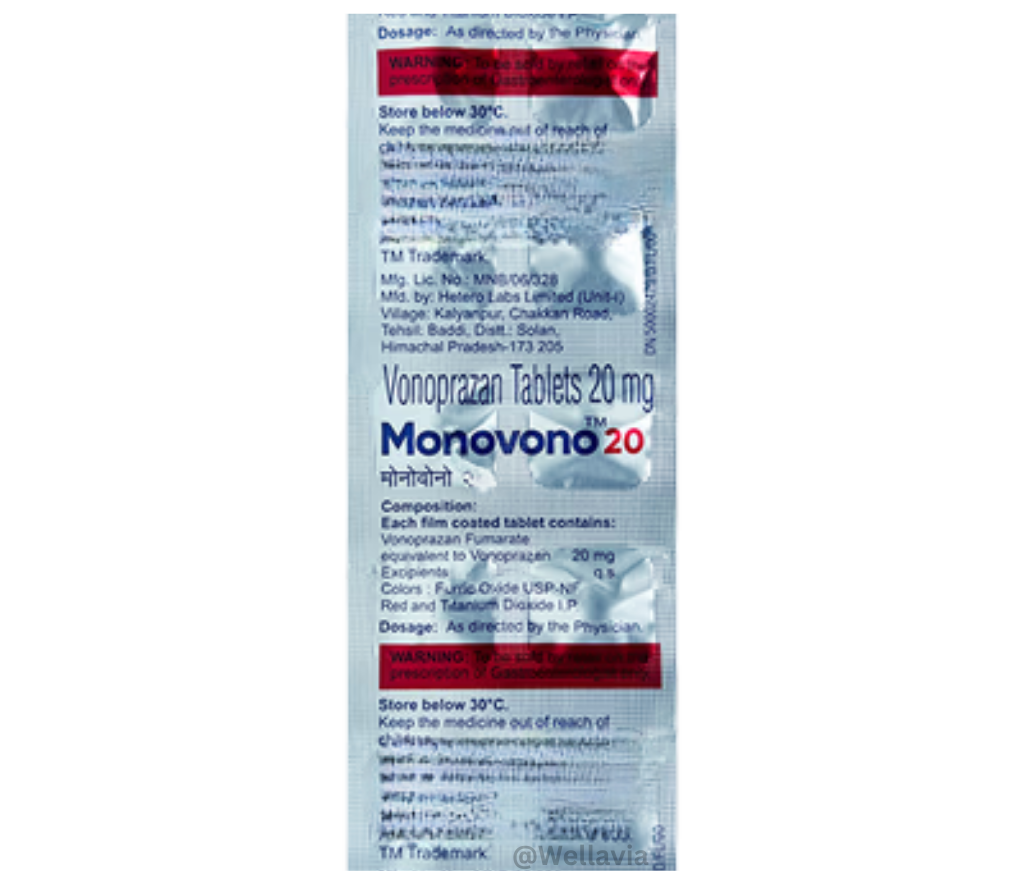
Monovono 20mg Tablet 10s
ALEMBIC PHARMACEUTICALS LTD
Rs 118.13
16 % OFF Rs 140.63 -
Vono 20mg Tablet 10s
DR REDDY S LABORATORIES LTD
Rs 129.93
16 % OFF Rs 154.68 -
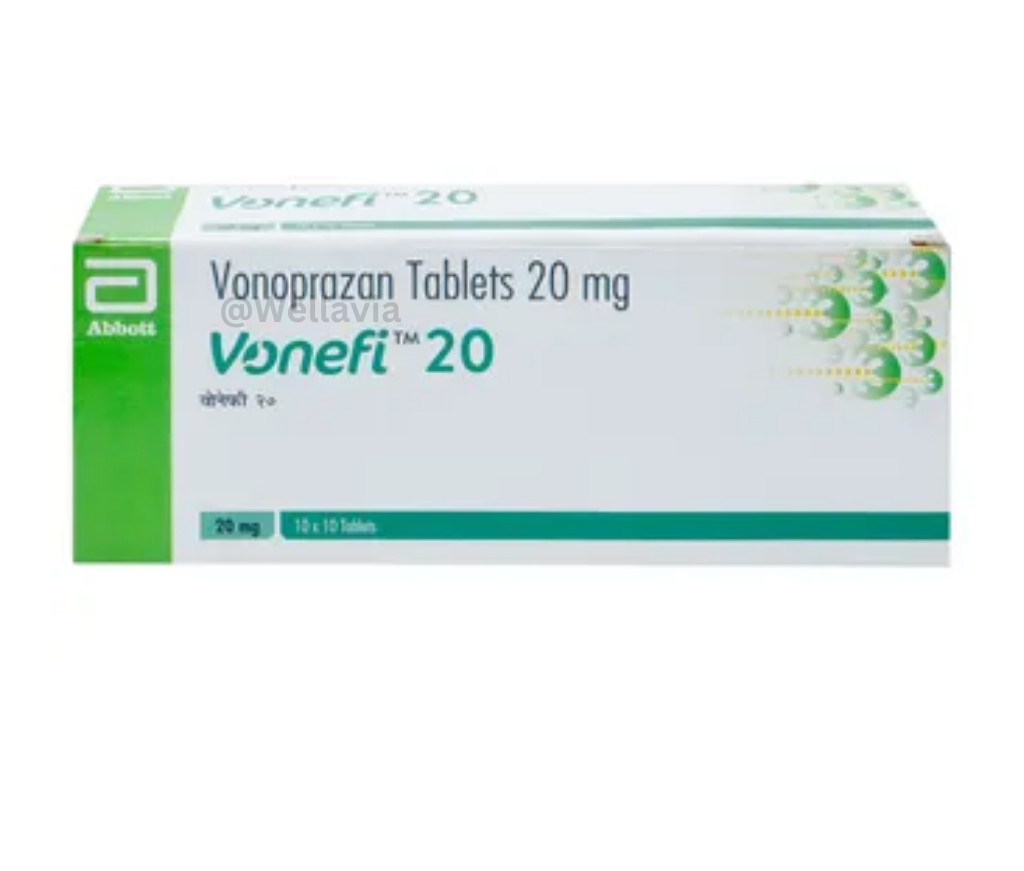
Vonefi 20mg Tablet 10s
ABBOTT HEALTHCARE PVT LTD
Rs 136.86
16 % OFF Rs 162.93 -
Vozan 20mg Tablet 10s
ERIS LIFESCIENCES LTD
Rs 133.87
16 % OFF Rs 159.37 -
Vonomac 20mg Tablet 10s
MACLEODS PHARMACEUTICALS PVT LTD
Rs 136.63
16 % OFF Rs 162.66 -
Civono 20mg Tablet 10s
GENERAL
Rs 142.80
16 % OFF Rs 170.00 -
Voltapraz 20mg Tablet 10 s
SUN PHARMACEUTICAL INDUSTRIES LTD
Rs 156.71
16 % OFF Rs 186.56 -
Vonogress 20mg Tablet 10s
LA RENON HEALTHCARE PVT LTD
Rs 159.60
16 % OFF Rs 190.00 -
Kabvie 20mg Tablet 10s
TORRENT PHARMACEUTICALS LTD
Rs 146.29
16 % OFF Rs 174.15
Uses / Indications: It's important to talk to your doctor or pharmacist before taking Lupivon 20mg tablets, especially if you are taking other medications or have any health concerns.
Drug Interactions
Other pain relievers: Taking Lupivon with other pain medications, including over-the-counter drugs like ibuprofen or naproxen, can increase the risk of side effects like stomach upset or bleeding. Your doctor needs to know about all your medications.
Muscle relaxants: Combining Lupivon with muscle relaxants might cause excessive drowsiness or dizziness.
Sedatives or sleeping pills: Taking Lupivon with sedatives or sleeping pills can significantly increase drowsiness and impair your ability to drive or operate machinery.
Blood thinners (anticoagulants): Lupivon, in some cases, might increase the risk of bleeding if taken with blood thinners. Your doctor needs to monitor you closely if you are on both.
Food and Lifestyle Interactions
Alcohol: Avoid alcohol while taking Lupivon, as it can increase drowsiness and the risk of stomach problems.
Grapefruit: Grapefruit juice can interact with some medications, potentially affecting how Lupivon is processed by your body. It's best to avoid grapefruit while taking this medicine.
Smoking: Smoking can affect how your body processes Lupivon, potentially reducing its effectiveness.
Medical Conditions and Warnings
Liver problems: If you have liver disease, Lupivon may not be processed correctly and could build up to harmful levels in your body. Your doctor should be informed.
Kidney problems: Similar to liver problems, kidney disease can affect how your body processes Lupivon. Your doctor needs to know about your kidney health.
Pregnancy and breastfeeding: Lupivon should only be used during pregnancy or breastfeeding if the benefits clearly outweigh the potential risks. Discuss this with your doctor.
Allergic reactions: If you experience an allergic reaction (such as rash, itching, swelling, difficulty breathing), stop taking Lupivon and seek immediate medical attention.
Driving and operating machinery: Lupivon can cause drowsiness or dizziness. Avoid driving or operating machinery until you know how it affects you.
This information is for general knowledge and does not replace professional medical advice. Always consult your doctor or pharmacist before starting or stopping any medication.
- Product composition:
- Vonoprazan(20mg)
Drug Interactions
Other pain relievers: Taking Lupivon with other pain medications, including over-the-counter drugs like ibuprofen or naproxen, can increase the risk of side effects like stomach upset or bleeding. Your doctor needs to know about all your medications.
Muscle relaxants: Combining Lupivon with muscle relaxants might cause excessive drowsiness or dizziness.
Sedatives or sleeping pills: Taking Lupivon with sedatives or sleeping pills can significantly increase drowsiness and impair your ability to drive or operate machinery.
Blood thinners (anticoagulants): Lupivon, in some cases, might increase the risk of bleeding if taken with blood thinners. Your doctor needs to monitor you closely if you are on both.
Food and Lifestyle Interactions
Alcohol: Avoid alcohol while taking Lupivon, as it can increase drowsiness and the risk of stomach problems.
Grapefruit: Grapefruit juice can interact with some medications, potentially affecting how Lupivon is processed by your body. It's best to avoid grapefruit while taking this medicine.
Smoking: Smoking can affect how your body processes Lupivon, potentially reducing its effectiveness.
Medical Conditions and Warnings
Liver problems: If you have liver disease, Lupivon may not be processed correctly and could build up to harmful levels in your body. Your doctor should be informed.
Kidney problems: Similar to liver problems, kidney disease can affect how your body processes Lupivon. Your doctor needs to know about your kidney health.
Pregnancy and breastfeeding: Lupivon should only be used during pregnancy or breastfeeding if the benefits clearly outweigh the potential risks. Discuss this with your doctor.
Allergic reactions: If you experience an allergic reaction (such as rash, itching, swelling, difficulty breathing), stop taking Lupivon and seek immediate medical attention.
Driving and operating machinery: Lupivon can cause drowsiness or dizziness. Avoid driving or operating machinery until you know how it affects you.
This information is for general knowledge and does not replace professional medical advice. Always consult your doctor or pharmacist before starting or stopping any medication.
- Pregnancy interaction:
- Lupivon, containing bupivacaine, is a local anesthetic and should only be considered for use during pregnancy under strict medical supervision. Its use is highly specialized and not for routine pain management. The decision to use it must carefully weigh the potential benefits against the potential risks to both mother and fetus.
Safety: Bupivacaine's safety during pregnancy is not fully established. Limited data suggests potential risks to the fetus, including slowed heart rate and reduced oxygen supply. Therefore, its use is restricted to specific situations where the benefits clearly outweigh the risks.
Purpose: Lupivon is primarily used in obstetric anesthesia for procedures like epidurals and spinal anesthesia during labor and delivery. It's used to provide pain relief during these procedures, not as a general pain reliever during pregnancy.
Medical Supervision: The use of Lupivon during pregnancy is absolutely crucial only under the direct supervision of a qualified healthcare professional experienced in obstetric anesthesia. The doctor will carefully assess the mother's condition, the stage of pregnancy, and the specific medical needs before considering its use. They will also closely monitor both the mother and the fetus during and after the administration of the drug. Self-medication or using Lupivon without a doctor's prescription is extremely dangerous.
- Expert advice:
- Expert Advice: Lupivon 20mg Tablet 10s
Dosage and Timing: Always follow your doctor's prescribed dosage and frequency. Do not exceed the recommended dose. Take the tablet with or without food, as directed by your physician. Consistency in timing is crucial for maintaining therapeutic levels.
Missed Dose: If you miss a dose, take it as soon as you remember unless it is almost time for your next dose. Do not double the dose to make up for a missed one.
Storage: Store the tablets in a cool, dry place, away from direct sunlight and moisture. Keep out of reach of children.
Alcohol and Other Medications: Avoid alcohol consumption while taking Lupivon, as it can interact negatively. Inform your doctor about all other medications, supplements, or herbal remedies you are taking, as interactions are possible.
Driving and Operating Machinery: Lupivon may cause drowsiness or dizziness. Avoid driving, operating machinery, or engaging in activities requiring alertness until you know how the medication affects you.
Pregnancy and Breastfeeding: Inform your doctor if you are pregnant, planning to become pregnant, or breastfeeding. Lupivon may not be suitable during these periods.
Allergic Reactions: Be aware of potential allergic reactions such as rash, itching, swelling, or difficulty breathing. Seek immediate medical attention if you experience any allergic reaction.
Monitoring: Regular check-ups with your doctor are crucial to monitor your response to the medication and adjust the dosage if necessary. Report any unusual symptoms or side effects immediately.
Lifestyle Modifications: Maintain a healthy lifestyle including a balanced diet, regular exercise, and sufficient rest. These factors can contribute to the overall effectiveness of the medication.
Sudden Cessation: Do not stop taking Lupivon abruptly without consulting your doctor. Gradual tapering off is usually recommended to avoid potential withdrawal symptoms.
Specific Instructions: Your doctor may provide specific instructions based on your individual health condition. Follow these instructions carefully.
Disclaimer: This information is for general knowledge and does not constitute medical advice. Always consult your doctor or pharmacist for any questions or concerns regarding Lupivon or any other medication.
- Side Effects:
- Lupivon 20mg tablets, like all medications, can cause side effects, although not everyone experiences them.
Common Side Effects:
Nausea
Vomiting
Dizziness
Headache
Sleepiness
Dry mouth
Serious Side Effects that require medical attention:
Severe allergic reactions (e.g., rash, swelling of the face, lips, tongue, or throat, difficulty breathing)
Irregular heartbeat
Seizures
Low blood pressure
Numbness or tingling in the extremities
Vision changes
Severe or persistent headache
Note: This is not an exhaustive list of all possible side effects. If you experience any other unusual or concerning symptoms, contact your doctor or pharmacist immediately.
- How to use:
- How To Use Lupivon 20mg Tablet 10s
Take the medicine as prescribed by your doctor. Do not change the dose or stop taking it without consulting your doctor.
Swallow the tablet whole with a glass of water. Do not crush, chew, or break the tablet.
The best time to take Lupivon is usually as directed by your doctor. This may be with or without food. Follow your doctor's specific instructions.
If you miss a dose, take it as soon as you remember. However, if it is almost time for your next dose, skip the missed dose and continue with your regular schedule. Do not take a double dose to make up for a missed one.
Store the tablets in a cool, dry place, away from direct sunlight and moisture. Keep them out of reach of children.
If you experience any side effects, contact your doctor immediately.
This information is for guidance only. Always follow your doctor's or pharmacist's instructions. They can provide specific advice tailored to your individual needs.
- How it works:
- Lupivon 20mg tablets contain the active ingredient bupivacaine, a type of medicine called a local anesthetic. It works by temporarily blocking nerve signals in a specific area of your body.
Bupivacaine (20mg): This is the main ingredient. It works by preventing nerves from sending pain signals to your brain. Think of it like a temporary "mute" button for your nerves in the targeted area. This effect allows for pain relief during and after procedures. The length of time it works depends on the dose and where it's injected.
The tablet form of bupivacaine is generally used for post-operative pain management, meaning it helps relieve pain after surgery or other procedures. There are no other active ingredients working alongside bupivacaine in this specific formulation.
- Faq for medicine:
- What is Lupivon 20mg Tablet used for?
Lupivon 20mg contains bupivacaine, a local anesthetic. It's primarily used to provide pain relief after surgery or other painful procedures, often administered by a doctor or other healthcare professional. It's not for everyday pain relief.
How should I take Lupivon 20mg Tablet?
Lupivon 20mg tablets are not meant to be swallowed. This medication is usually injected by a doctor or nurse, not taken orally. Never take this medication unless instructed to do so by a healthcare professional.
What are the common side effects of Lupivon 20mg Tablet?
Common side effects can include dizziness, nausea, vomiting, drowsiness, and low blood pressure. More serious side effects are rare but possible. If you experience any concerning side effects, contact your doctor immediately.
What should I do if I miss a dose of Lupivon 20mg Tablet?
Since Lupivon 20mg is usually administered by a healthcare professional, missing a dose isn't typically something a patient manages themselves. If you have concerns about your treatment plan, contact your doctor or the healthcare provider who administered the medication.
Are there any precautions I should take before taking Lupivon 20mg Tablet?
Yes. You should inform your doctor about all your current medications, allergies, and medical conditions, especially heart problems, before receiving Lupivon 20mg. Pregnancy and breastfeeding should also be discussed with your doctor.
Can I drive or operate machinery after taking Lupivon 20mg Tablet?
Because Lupivon 20mg can cause dizziness and drowsiness, you should avoid driving or operating machinery until you know how it affects you. Follow your doctor's advice regarding post-procedure activity.
- Medicine interaction:
- It's crucial to tell your doctor about all the medications, supplements, and even herbal remedies you're taking before starting any new treatment, including Lupivon (bupivacaine). This is because some substances can interact with Lupivon, potentially affecting how well it works or increasing the risk of side effects. This list provides examples, but it is not exhaustive. Always consult your doctor or pharmacist for personalized advice.
Other local anesthetics: Taking Lupivon with other local anesthetics (like lidocaine or prilocaine) might increase the risk of side effects due to additive effects on the nervous system. The combined effects could be stronger than intended.
Muscle relaxants: Combining Lupivon with certain muscle relaxants could lead to excessive muscle weakness or respiratory depression, especially if used in procedures involving injections near the respiratory muscles.
Central nervous system depressants: This broad category includes drugs like opioids (pain relievers), benzodiazepines (anti-anxiety medications), and alcohol. Using Lupivon with these can increase the risk of drowsiness, dizziness, and slowed breathing, because they all depress the central nervous system.
Antiarrhythmic drugs: Lupivon, being a local anesthetic with potential cardiac effects, can interact with antiarrhythmic drugs (used to treat irregular heartbeats). This interaction could disrupt heart rhythm, potentially leading to serious complications. This requires careful monitoring by a medical professional.
Certain antibiotics: Some antibiotics might affect how the body processes Lupivon, either slowing down its elimination or speeding it up. This could alter the effectiveness or duration of action of the medication.
Grapefruit juice: Grapefruit juice can interfere with the metabolism of many medications. While not definitively proven for Lupivon, it's generally advisable to avoid grapefruit juice while taking any medication unless specifically advised otherwise by your doctor.
MAO Inhibitors: These are antidepressants. Combining Lupivon with MAO inhibitors might increase the risk of serious side effects, particularly affecting blood pressure. This interaction is rare but significant.
This list is not exhaustive, and other interactions are possible. Always inform your doctor or pharmacist of all medications and supplements you are taking before starting Lupivon.