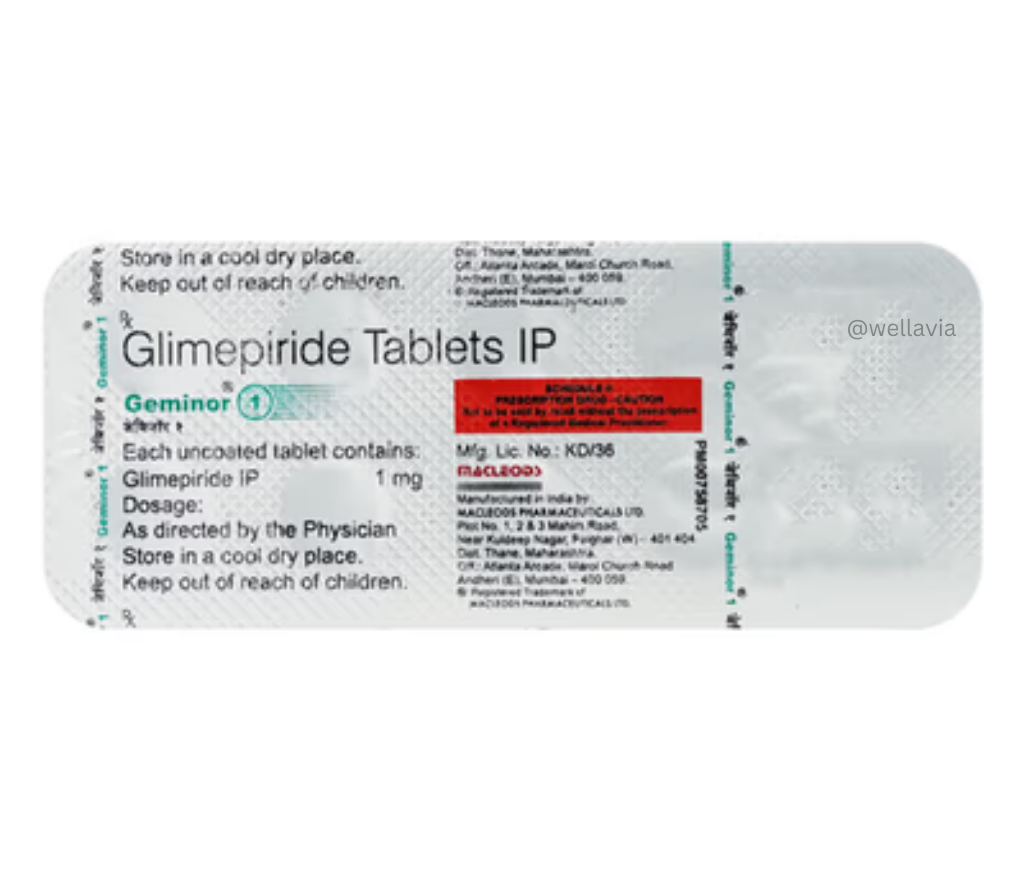

Gepride 1mg Tablet 10s
 Item requires a valid prescription
Manufactured By MEDLEY PHARMACEUTICALS PVT LTD
Composition Glimepiride(1mg)
Rs 32.29
MRP Rs 38.44
(16% OFF)
Includes all taxes
Package SIZE
( 1 Pcs )

100% Authentic
Products

Free
Shipping*

Products
Return Policy
Available Substitutes
-
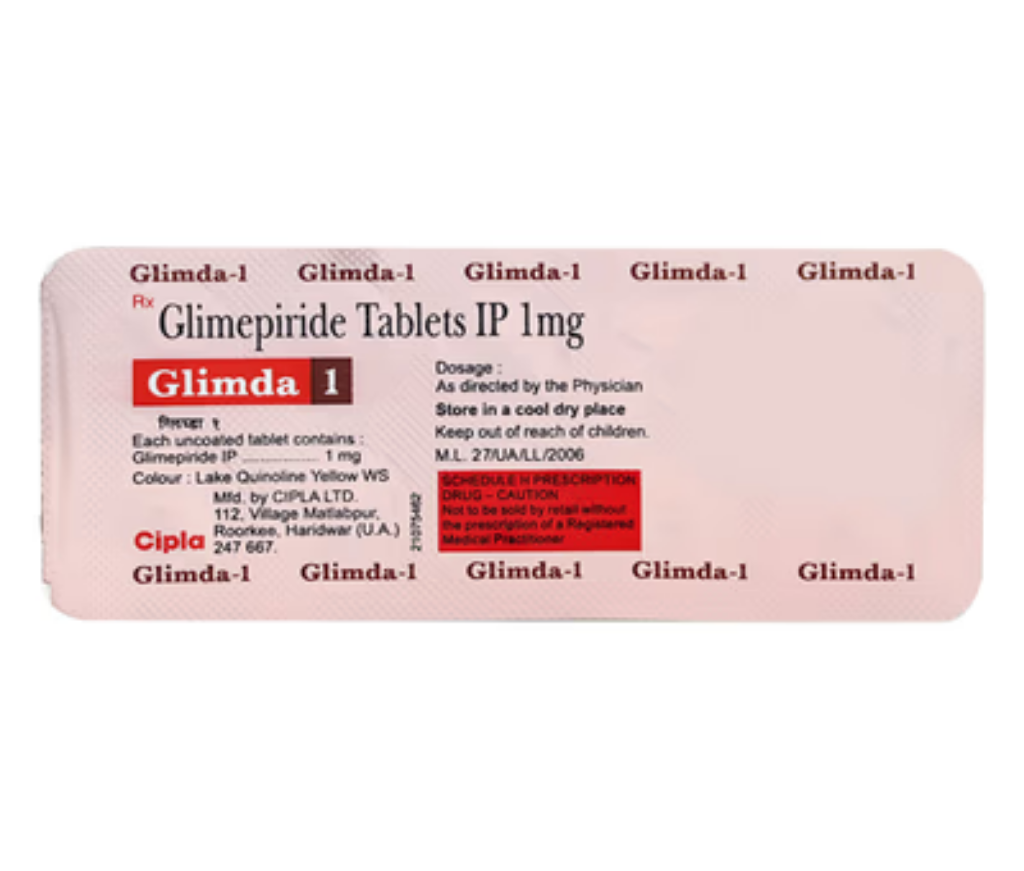
Glimda 1 Tablet 10s
CIPLA LTD .
Rs 23.68
40 % OFF Rs 39.47 -
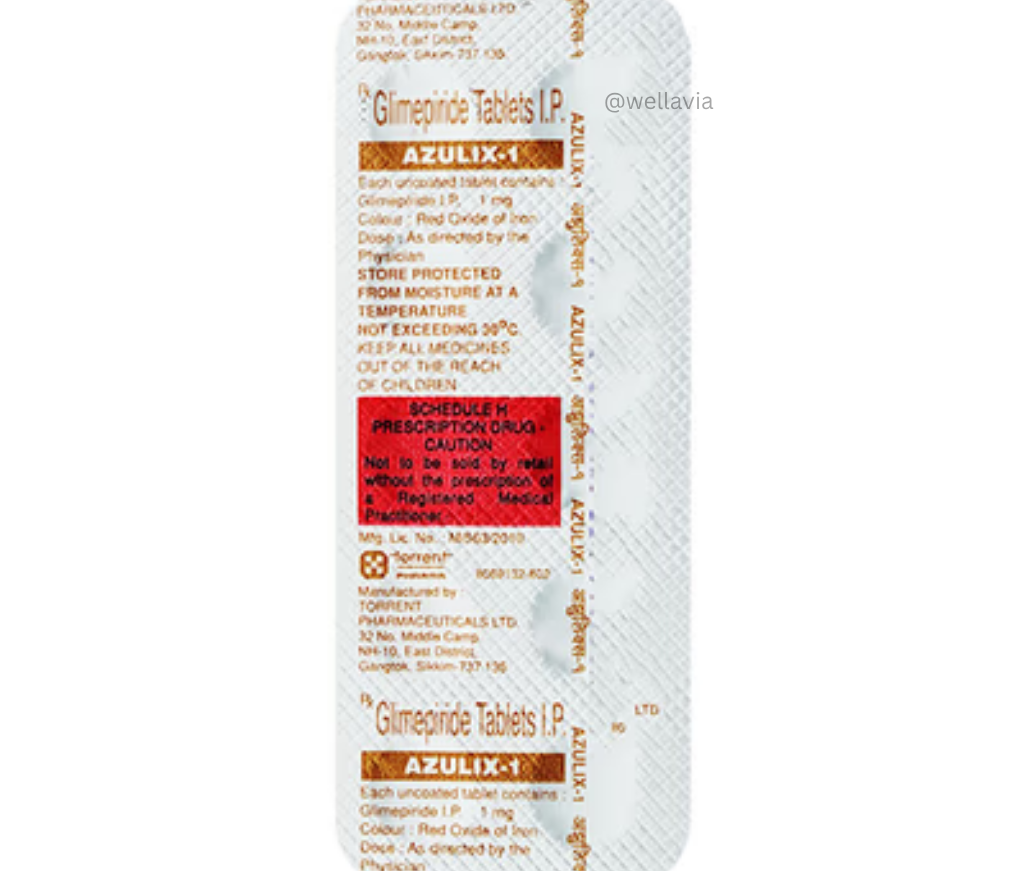
Azulix 1mg Tablet 10s
TORRENT PHARMACEUTICALS LTD
Rs 33.15
16.01 % OFF Rs 39.47 -
Amaryl 1mg Tablet 30s
SANOFI INDIA LTD
Rs 99.49
16 % OFF Rs 118.44
Uses / Indications: It's always best to talk to your doctor or pharmacist before starting Gepride 1mg or making any changes to your medication or lifestyle.
Drug Interactions:
Other blood thinners (anticoagulants): Gepride can increase the risk of bleeding if taken with other medications that thin your blood, such as warfarin or aspirin. Your doctor needs to carefully monitor you if you're taking both.
NSAIDs (Non-Steroidal Anti-Inflammatory Drugs): Medications like ibuprofen or naproxen (used for pain and inflammation) can increase the risk of stomach upset and bleeding when taken with Gepride.
Antiplatelet drugs: These medications, such as clopidogrel, help prevent blood clots. Combining them with Gepride may increase your risk of bleeding.
Food and Lifestyle Interactions:
Alcohol: Drinking alcohol while taking Gepride can increase the risk of stomach upset and bleeding. It's best to limit or avoid alcohol completely.
Grapefruit juice: Grapefruit juice can interfere with how your body processes some medications. Avoid grapefruit juice while taking Gepride.
Diet high in Vitamin K: Vitamin K is important for blood clotting. A diet very high in Vitamin K (e.g., leafy green vegetables) may affect how well Gepride works. Maintain a balanced diet, and don't make drastic changes without talking to your doctor.
Medical Conditions and Warnings:
Bleeding disorders: If you have a bleeding disorder (like hemophilia), Gepride may increase your risk of bleeding. Your doctor needs to carefully assess this risk.
Stomach ulcers or gastritis: Gepride can irritate your stomach lining. If you have a history of stomach ulcers or gastritis, you may be at higher risk of complications.
Liver or kidney disease: Your doctor may need to adjust your dose of Gepride if you have liver or kidney problems, as these organs help process the medication. It's crucial to inform your doctor about any existing conditions.
Pregnancy and breastfeeding: It's important to discuss the use of Gepride with your doctor if you are pregnant, breastfeeding, or planning to become pregnant.
Remember, this information is not a substitute for professional medical advice. Always consult your doctor or pharmacist before starting or stopping any medication.
- Product composition:
- Glimepiride(1mg)
Drug Interactions:
Other blood thinners (anticoagulants): Gepride can increase the risk of bleeding if taken with other medications that thin your blood, such as warfarin or aspirin. Your doctor needs to carefully monitor you if you're taking both.
NSAIDs (Non-Steroidal Anti-Inflammatory Drugs): Medications like ibuprofen or naproxen (used for pain and inflammation) can increase the risk of stomach upset and bleeding when taken with Gepride.
Antiplatelet drugs: These medications, such as clopidogrel, help prevent blood clots. Combining them with Gepride may increase your risk of bleeding.
Food and Lifestyle Interactions:
Alcohol: Drinking alcohol while taking Gepride can increase the risk of stomach upset and bleeding. It's best to limit or avoid alcohol completely.
Grapefruit juice: Grapefruit juice can interfere with how your body processes some medications. Avoid grapefruit juice while taking Gepride.
Diet high in Vitamin K: Vitamin K is important for blood clotting. A diet very high in Vitamin K (e.g., leafy green vegetables) may affect how well Gepride works. Maintain a balanced diet, and don't make drastic changes without talking to your doctor.
Medical Conditions and Warnings:
Bleeding disorders: If you have a bleeding disorder (like hemophilia), Gepride may increase your risk of bleeding. Your doctor needs to carefully assess this risk.
Stomach ulcers or gastritis: Gepride can irritate your stomach lining. If you have a history of stomach ulcers or gastritis, you may be at higher risk of complications.
Liver or kidney disease: Your doctor may need to adjust your dose of Gepride if you have liver or kidney problems, as these organs help process the medication. It's crucial to inform your doctor about any existing conditions.
Pregnancy and breastfeeding: It's important to discuss the use of Gepride with your doctor if you are pregnant, breastfeeding, or planning to become pregnant.
Remember, this information is not a substitute for professional medical advice. Always consult your doctor or pharmacist before starting or stopping any medication.
- Pregnancy interaction:
- Gepride 1mg tablets contain the active ingredient Primidone, an anticonvulsant. Its use during pregnancy is complex and requires careful consideration due to potential risks to the developing fetus. Therefore, it should only be used under strict medical supervision.
Safety: Gepride, like other anticonvulsants, carries potential risks during pregnancy. These risks include birth defects (neural tube defects, cleft lip/palate, heart defects), developmental delays, and bleeding problems in the newborn. The severity of these risks varies depending on factors such as the dose and the duration of treatment. It's crucial to weigh the risks against the benefits of controlling seizures in the mother.
Purpose: Gepride is primarily used to control seizures in epilepsy. In pregnant women with epilepsy, uncontrolled seizures pose a greater risk to both the mother and the fetus than the potential risks associated with the medication. The decision to use Gepride during pregnancy is made on a case-by-case basis, considering the individual's seizure history and the severity of their condition.
Medical Supervision: The use of Gepride during pregnancy absolutely necessitates close monitoring by a medical professional specializing in both epilepsy and pregnancy. Regular check-ups, including blood tests and fetal monitoring, are essential to assess the mother's health and the baby's development. The dosage may need adjustment throughout the pregnancy, and the physician will work to find the lowest effective dose to minimize potential risks. Stopping Gepride abruptly can lead to severe complications, making gradual dose reduction, if deemed necessary, a critical aspect of management under medical supervision.
Alternative Medications: In some cases, alternative anticonvulsant medications with a potentially lower risk profile during pregnancy may be considered. This decision will be made in consultation with a specialist.
- Expert advice:
- Expert Advice: Gepride 1mg Tablet 10s
Take as prescribed: Strictly adhere to the dosage and frequency prescribed by your doctor. Do not alter the dose or stop taking the medication without consulting your physician.
Timing of intake: Take the medication at the same time each day to maintain consistent blood levels. Follow your doctor's specific instructions regarding timing (e.g., with or without food).
Swallowing the tablet: Swallow the tablet whole with a glass of water. Do not crush, chew, or break the tablet.
Missed dose: If you miss a dose, take it as soon as you remember, unless it is almost time for your next dose. Do not double the dose to make up for a missed one.
Regular blood tests: Your doctor will likely schedule regular blood tests to monitor your response to the medication and check for any side effects. Attend these appointments as scheduled.
Dietary considerations: Maintain a balanced diet and stay adequately hydrated. Discuss any specific dietary restrictions or recommendations with your doctor.
Lifestyle modifications: If applicable, follow your doctor's advice on lifestyle changes such as regular exercise, stress management techniques, and smoking cessation.
Alcohol consumption: Avoid or limit alcohol consumption while taking this medication, as it can interact negatively. Discuss this with your doctor.
Driving and operating machinery: Be aware that Gepride may cause drowsiness or dizziness. Avoid driving or operating heavy machinery until you know how the medication affects you.
Pregnancy and breastfeeding: Inform your doctor if you are pregnant, planning to become pregnant, or breastfeeding. This medication may not be suitable during pregnancy or breastfeeding.
Other medications: Inform your doctor about all other medications, including over-the-counter drugs, herbal remedies, and supplements, you are currently taking. Interactions can occur.
Allergic reactions: Be vigilant for signs of allergic reactions such as rash, itching, swelling, or difficulty breathing. Seek immediate medical attention if an allergic reaction occurs.
Side effect awareness: Be aware of potential side effects as outlined in the patient information leaflet and report any concerns to your doctor.
Storage: Store the medication in a cool, dry place, away from direct sunlight and out of reach of children.
Consult your doctor: If you experience any unusual symptoms or have any questions or concerns about Gepride, contact your doctor or pharmacist immediately. This list is not exhaustive, and individual needs may vary. Always prioritize your doctor's specific instructions.
- Side Effects:
- Gepride 1mg Tablet may cause several side effects, some common and others requiring immediate medical attention.
Common Side Effects:
Headache
Dizziness
Nausea
Sleepiness
Fatigue
Mild stomach upset
Serious Side Effects that require medical attention:
Severe allergic reactions (e.g., rash, swelling of the face, lips, tongue, or throat, difficulty breathing)
Irregular heartbeat
Chest pain
Seizures
Severe dizziness or fainting
Yellowing of the skin or eyes (jaundice)
Dark urine
Unusual bleeding or bruising
Note: This is not an exhaustive list of all possible side effects. If you experience any other unusual symptoms, contact your doctor or pharmacist.
- How to use:
- How To Use Gepride 1mg Tablet 10s:
Take the tablet as prescribed by your doctor. Do not change the dose or stop taking it without consulting your doctor.
Swallow the tablet whole with a glass of water. Do not chew or crush the tablet.
The best time to take Gepride is usually once daily, as directed by your doctor. Your doctor may advise taking it with food or on an empty stomach. Follow their specific instructions.
If you miss a dose, take it as soon as you remember, unless it is almost time for your next dose. Do not take a double dose to make up for a missed one.
Store the tablets in a cool, dry place, away from direct sunlight and moisture. Keep them out of reach of children.
If you experience any side effects, contact your doctor immediately.
Do not share your medication with others.
Always check the expiry date on the packaging before taking the medication.
Important Note: This information is for general guidance only and does not replace the advice of your doctor or pharmacist. Always follow the instructions provided by your healthcare professional.
- How it works:
- Gepride 1mg tablets help control blood sugar levels in people with type 2 diabetes.
Metformin: This is the main active ingredient in Gepride. It works in several ways to lower blood sugar:
It helps your body use insulin more effectively. Insulin is a hormone that helps your body's cells absorb sugar from your blood.
It reduces the amount of sugar your liver produces.
It slows down the absorption of sugar from your food into your bloodstream.
Glimepiride: This is a second active ingredient, a type of medicine called a sulfonylurea. It works by:
Stimulating your pancreas to release more insulin. Your pancreas is an organ that makes insulin.
Together, metformin and glimepiride work to better manage your blood sugar levels. Metformin addresses the body's response to insulin and sugar production, while glimepiride boosts the body's own insulin production. This combination can help keep your blood sugar within a healthier range.
- Faq for medicine:
- What is Gepride 1mg Tablet used for?
Gepride 1mg Tablet contains the active ingredient Piracetam. It's primarily used to improve cognitive function, particularly memory and concentration, in individuals with certain cognitive impairments. It's important to note that this is not a cure for cognitive decline, but rather a medication to help manage symptoms. Always follow your doctor's instructions.
How should I take Gepride 1mg Tablet?
Follow your doctor's or pharmacist's instructions exactly. The usual dose is one tablet, but this can vary depending on your individual needs and condition. Generally, it's taken a few times a day with food or as directed by your healthcare provider. Do not change your dosage without consulting your doctor.
What are the common side effects of Gepride 1mg Tablet?
While generally well-tolerated, some people may experience mild side effects such as headache, nausea, dizziness, or nervousness. These side effects are usually temporary and mild. If you experience any severe or persistent side effects, contact your doctor immediately.
What should I do if I miss a dose of Gepride 1mg Tablet?
If you miss a dose, take it as soon as you remember, unless it is almost time for your next dose. Do not take a double dose to make up for a missed one. Always try to maintain a regular schedule as prescribed.
Are there any precautions I should take while using Gepride 1mg Tablet?
Inform your doctor about any other medications you are taking, including over-the-counter drugs and herbal supplements, as there may be interactions. Gepride is generally not recommended for pregnant or breastfeeding women unless specifically advised by a doctor. Individuals with kidney problems should also exercise caution and inform their doctor before taking this medication.
Should I avoid any food or drinks while taking Gepride 1mg Tablet?
There are no specific dietary restrictions associated with taking Gepride 1mg tablets, but maintaining a healthy balanced diet is always advisable. However, always consult your doctor or pharmacist if you have any concerns about food or drink interactions.
- Medicine interaction:
- It's crucial to tell your doctor about all the medications, supplements, and even herbal remedies you're taking, including over-the-counter drugs, before starting any new treatment like Gepride 1mg. This is because many substances can interact with medications, sometimes in unexpected ways, potentially affecting how well your medicine works or causing side effects. Gepride, containing the active ingredient Piracetam, can have interactions with certain other drugs and foods. Always consult your doctor or pharmacist if you have any concerns.
Alcohol: Alcohol can worsen the side effects of Piracetam, such as drowsiness and dizziness. It's best to avoid alcohol while taking Gepride.
Blood Thinners (Anticoagulants like Warfarin): There's a potential for increased bleeding risk if Piracetam is taken with blood thinners. Your doctor may need to monitor your blood clotting time more closely.
Thyroid Medications: Some evidence suggests a possible interaction between Piracetam and thyroid medications, potentially affecting how well your thyroid medication works. Regular monitoring of your thyroid hormone levels might be necessary.
Caffeine: Caffeine can potentially counteract some of the benefits of Piracetam or increase its stimulating effects. Moderate caffeine intake should be discussed with your doctor.
Certain Anticonvulsants: The combination of Piracetam with some anticonvulsant medications might need careful monitoring, as the effects of either drug could be altered.
High-Protein Foods: While not a strong interaction, consuming extremely high-protein meals might slightly reduce the absorption of Piracetam. However, this is usually not a significant concern unless you have a very unusual diet.
Other Medications Affecting the Central Nervous System (CNS): Piracetam, which affects brain function, can interact with other CNS-acting drugs like sedatives, antidepressants, or antipsychotics. The combined effects could be additive, leading to increased drowsiness or other side effects. Your doctor should be informed of all such medications.
This list is not exhaustive, and other interactions are possible. Always inform your doctor or pharmacist of all medications, supplements, and food you consume, to ensure safe and effective use of Gepride.