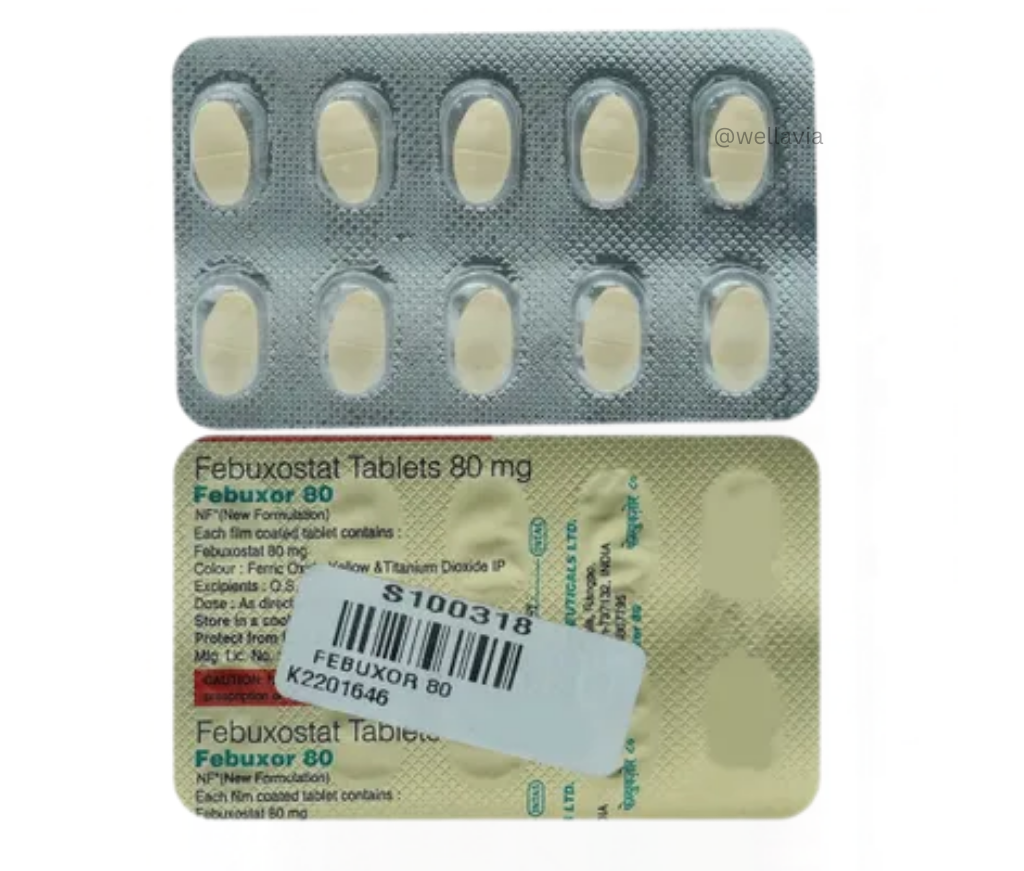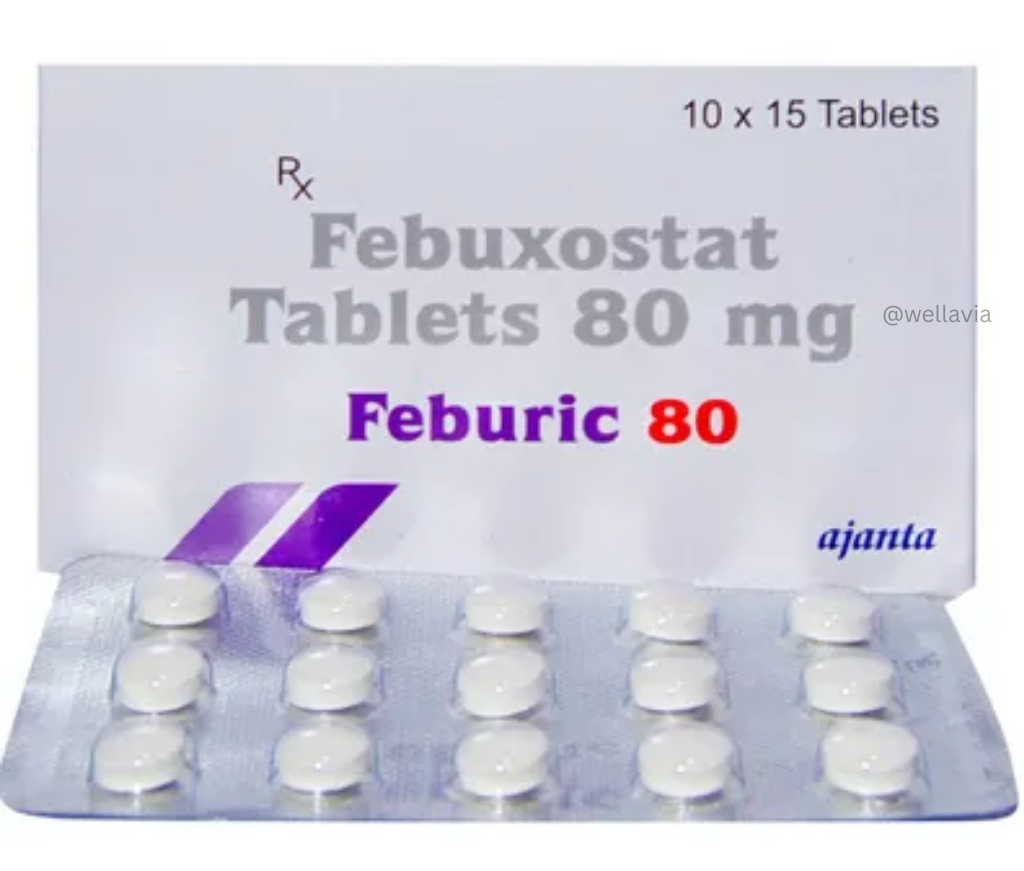

Febuget 80mg Tablet 10s
 Item requires a valid prescription
Manufactured By SUN PHARMACEUTICAL INDUSTRIES LTD
Composition Febuxostat(80mg)
Rs 224.28
MRP Rs 267.00
(16% OFF)
Includes all taxes
Package SIZE
( 1 Pcs )

100% Authentic
Products

Free
Shipping*

Products
Return Policy
Available Substitutes
-
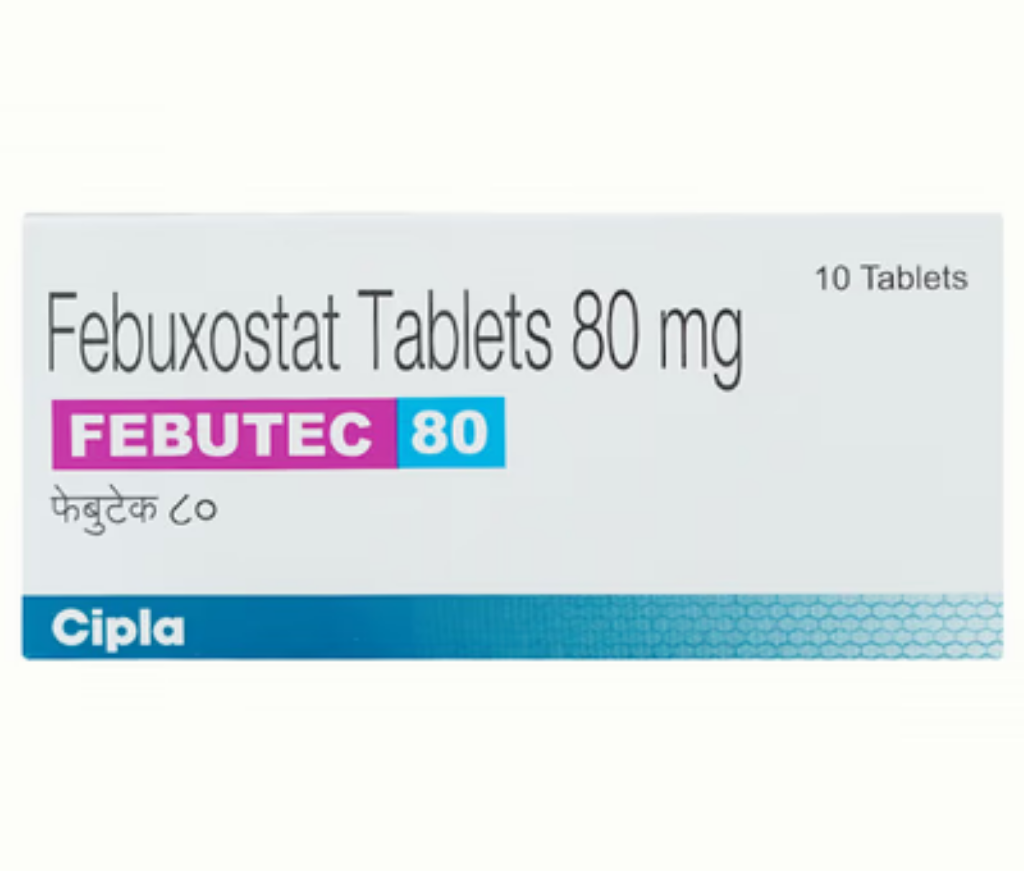
Febutec 80mg Tablet 10s
CIPLA LTD .
Rs 137.69
40 % OFF Rs 229.49 -
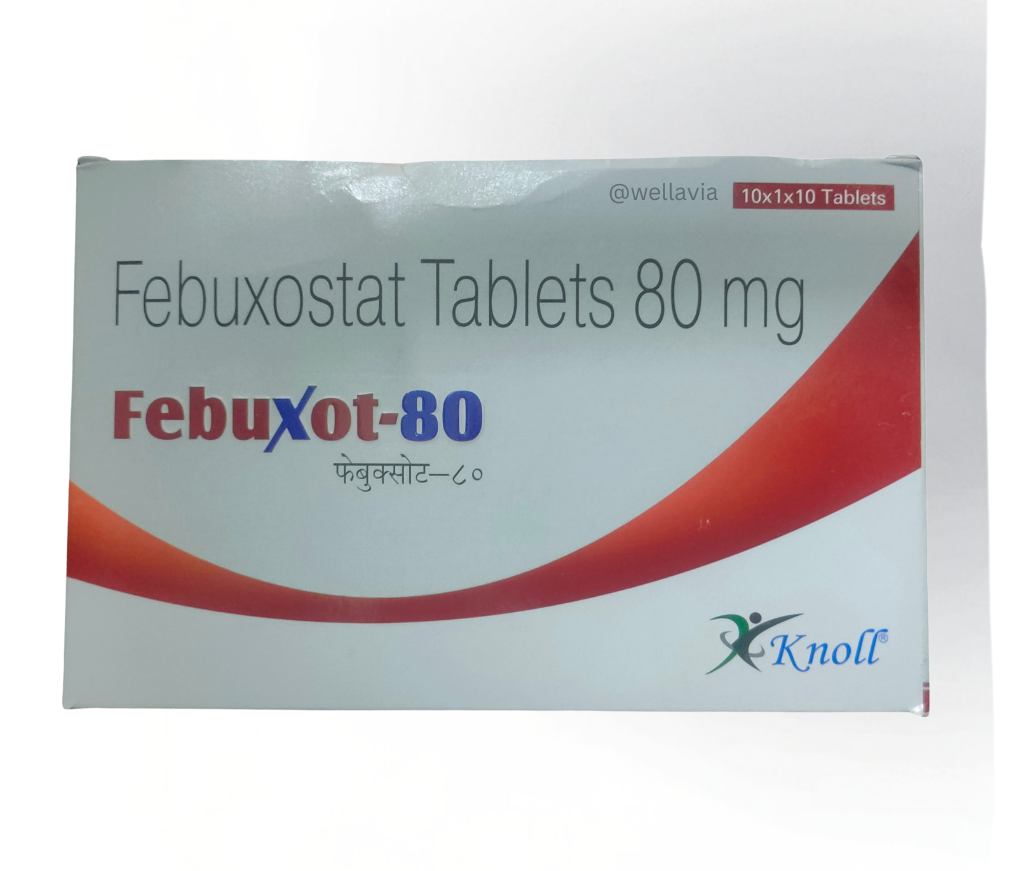
Febuxot 80 Tablet 10s
KNOLL HEALTHCARE PVT. (LTD.)
Rs 156.80
36 % OFF Rs 245.00 -
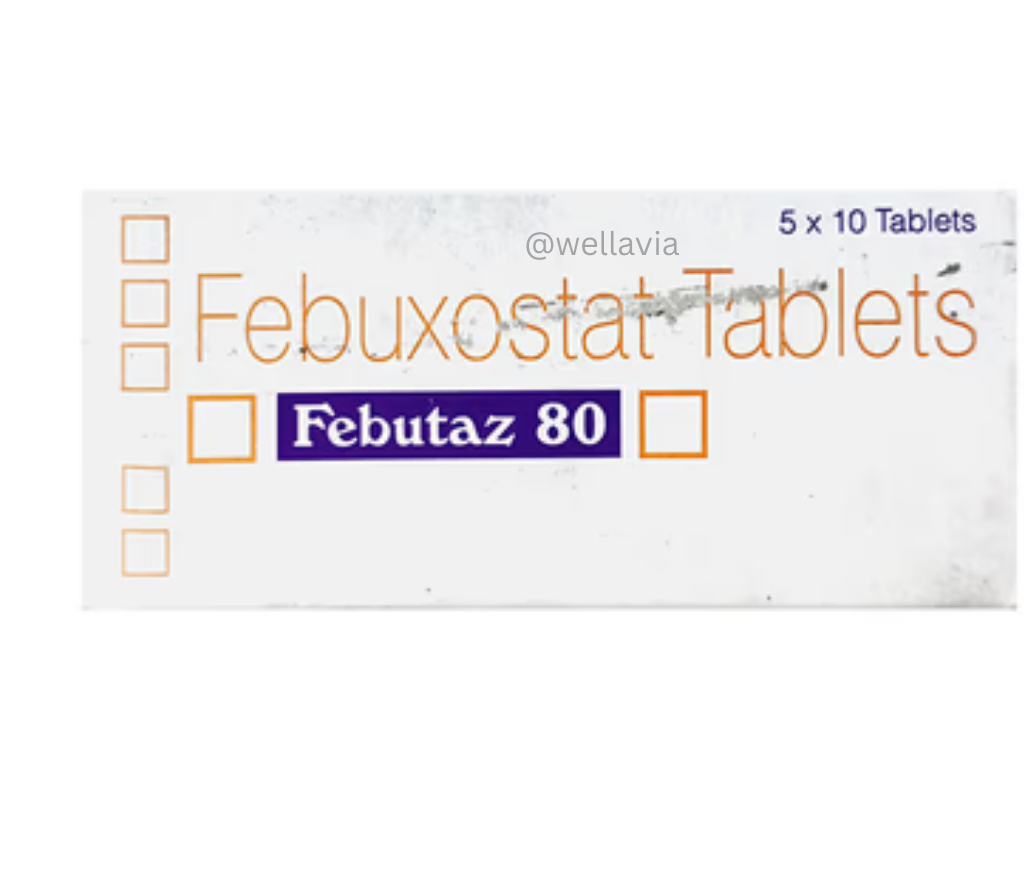
Febutaz 80mg Tablet 15 S
SUN PHARMACEUTICAL INDUSTRIES LTD
Rs 230.74
16 % OFF Rs 274.69
Uses / Indications: It's always best to talk to your doctor or pharmacist before starting Febuget 80mg or any new medication, especially if you have other health conditions or are taking other medicines.
Drug Interactions:
Other Gout Medications: Don't take Febuget with other medications used to treat gout, like allopurinol or probenecid, unless your doctor specifically tells you to. Taking them together can increase the risk of side effects.
Warfarin (blood thinner): Febuget may affect how well warfarin works. Your doctor will need to monitor your blood clotting levels carefully if you're taking both medications.
Azathioprine and 6-mercaptopurine (immunosuppressants): Febuget can increase the levels of these medications in your body, potentially leading to harmful side effects. Your doctor may need to adjust your dose of these medications.
Cyclosporine (immunosuppressant): Similar to azathioprine and 6-mercaptopurine, Febuget can increase the levels of cyclosporine, requiring careful monitoring by your doctor.
Food and Lifestyle Interactions:
Alcohol: Drinking alcohol while taking Febuget can increase the risk of stomach upset and liver problems. It's best to limit your alcohol intake.
Diet: Maintaining a healthy diet low in purines (found in some meats and seafood) can help manage gout symptoms and may improve the effectiveness of Febuget. Your doctor can advise you on a suitable diet.
Medical Conditions and Warnings:
Kidney Problems: If you have kidney problems, Febuget may not be suitable for you, or your dose may need to be adjusted. Your doctor will need to monitor your kidney function.
Liver Problems: Febuget is processed by the liver. If you have liver problems, your doctor will need to carefully monitor your liver function while you are taking this medication.
Heart Problems: Febuget may increase the risk of heart problems in some individuals. Your doctor will assess your risk before prescribing this medication.
Allergies: If you have an allergy to febuxostat or any of the ingredients in Febuget, do not take it. Inform your doctor about any allergies you have.
Pregnancy and Breastfeeding: Febuget is not recommended during pregnancy or breastfeeding. Talk to your doctor about alternative treatments if you are pregnant, planning to become pregnant, or breastfeeding.
Remember, this information is not a substitute for professional medical advice. Always consult your doctor or pharmacist for personalized guidance on using Febuget 80mg.
- Product composition:
- Febuxostat(80mg)
Drug Interactions:
Other Gout Medications: Don't take Febuget with other medications used to treat gout, like allopurinol or probenecid, unless your doctor specifically tells you to. Taking them together can increase the risk of side effects.
Warfarin (blood thinner): Febuget may affect how well warfarin works. Your doctor will need to monitor your blood clotting levels carefully if you're taking both medications.
Azathioprine and 6-mercaptopurine (immunosuppressants): Febuget can increase the levels of these medications in your body, potentially leading to harmful side effects. Your doctor may need to adjust your dose of these medications.
Cyclosporine (immunosuppressant): Similar to azathioprine and 6-mercaptopurine, Febuget can increase the levels of cyclosporine, requiring careful monitoring by your doctor.
Food and Lifestyle Interactions:
Alcohol: Drinking alcohol while taking Febuget can increase the risk of stomach upset and liver problems. It's best to limit your alcohol intake.
Diet: Maintaining a healthy diet low in purines (found in some meats and seafood) can help manage gout symptoms and may improve the effectiveness of Febuget. Your doctor can advise you on a suitable diet.
Medical Conditions and Warnings:
Kidney Problems: If you have kidney problems, Febuget may not be suitable for you, or your dose may need to be adjusted. Your doctor will need to monitor your kidney function.
Liver Problems: Febuget is processed by the liver. If you have liver problems, your doctor will need to carefully monitor your liver function while you are taking this medication.
Heart Problems: Febuget may increase the risk of heart problems in some individuals. Your doctor will assess your risk before prescribing this medication.
Allergies: If you have an allergy to febuxostat or any of the ingredients in Febuget, do not take it. Inform your doctor about any allergies you have.
Pregnancy and Breastfeeding: Febuget is not recommended during pregnancy or breastfeeding. Talk to your doctor about alternative treatments if you are pregnant, planning to become pregnant, or breastfeeding.
Remember, this information is not a substitute for professional medical advice. Always consult your doctor or pharmacist for personalized guidance on using Febuget 80mg.
- Pregnancy interaction:
- Febuget 80mg tablets, containing febuxostat, are not recommended for use during pregnancy. The safety of febuxostat for pregnant women and their developing babies has not been established. Therefore, its use should only be considered under very specific circumstances and with strict medical supervision.
Safety: The safety of Febuget during pregnancy is unknown. There is a lack of sufficient data to confirm its safety for the developing fetus. Potential risks outweigh any potential benefits.
Purpose: Febuxostat is used to treat hyperuricemia (high uric acid levels) and gout. However, managing gout during pregnancy usually focuses on non-pharmacological approaches and alternative medications that are safer for the mother and the baby.
Medical Supervision: It is crucial to consult a doctor before taking any medication during pregnancy. The doctor will assess the risks and benefits of Febuget, considering the mother's health condition and the stage of pregnancy. Alternatives to Febuget will likely be explored and prioritized. Self-medicating with Febuget during pregnancy is strongly discouraged.
- Expert advice:
- Expert Advice: Febuget 80mg Tablet (10s)
Take as prescribed: Strictly adhere to your doctor's prescribed dosage and frequency. Do not alter the dose or stop taking the medication without consulting your physician.
Timing of intake: Take Febuget with or without food, as directed by your doctor. Consistency in timing is crucial for maintaining therapeutic levels.
Hydration: Drink plenty of water throughout the day, especially while taking Febuget. Adequate hydration supports kidney function and helps to eliminate the medication's metabolites.
Monitor for side effects: Be aware of potential side effects such as nausea, diarrhea, abdominal pain, and rash. Report any unusual or concerning symptoms to your doctor immediately.
Regular blood tests: Your doctor will likely schedule regular blood tests to monitor your uric acid levels and kidney function. Attend these appointments as scheduled.
Diet and lifestyle modifications: Combine Febuget with a low-purine diet to maximize its effectiveness. Limit consumption of red meat, organ meats, and seafood high in purines. Increase your intake of fruits, vegetables, and low-fat dairy products.
Alcohol consumption: Minimize or avoid alcohol consumption while taking Febuget, as it can interfere with the medication's action and increase the risk of side effects.
Medication interactions: Inform your doctor about all other medications, including over-the-counter drugs and supplements, you are currently taking. Some medications may interact with Febuget.
Avoid strenuous exercise: While regular moderate exercise is beneficial, avoid strenuous activity, especially during the initial stages of treatment, as it can potentially exacerbate gout symptoms.
Gout flare-ups: Febuget may initially cause gout flare-ups. Your doctor may prescribe additional medication to manage these flares. Do not stop taking Febuget unless instructed by your physician.
Pregnancy and breastfeeding: Inform your doctor if you are pregnant, breastfeeding, or planning to become pregnant. Febuget may not be suitable during these periods.
Storage: Store Febuget in a cool, dry place, away from direct sunlight and moisture. Keep it out of reach of children.
Missed dose: If you miss a dose, take it as soon as you remember unless it's almost time for your next dose. Do not double the dose.
This information is for general guidance only and does not substitute for professional medical advice. Always consult your doctor or pharmacist for personalized recommendations and to address any specific concerns.
- Side Effects:
- Febuget 80mg tablets, like all medications, can cause side effects, although not everyone experiences them.
Common Side Effects:
Nausea
Diarrhea
Stomach pain
Headache
Dizziness
Rash
Serious Side Effects that require medical attention:
Severe allergic reactions (e.g., swelling of the face, lips, tongue, or throat; difficulty breathing)
Signs of liver problems (e.g., yellowing of the skin or eyes, dark urine, unusual fatigue)
Severe skin reactions (e.g., blistering, peeling skin)
Unusual bleeding or bruising
Severe or persistent muscle pain
Note: This is not an exhaustive list of all possible side effects. If you experience any unusual or concerning symptoms, please contact your doctor or pharmacist immediately.
- How to use:
- Take this medicine exactly as your doctor has told you. Do not change the dose or stop taking it without talking to your doctor.
Swallow the tablet whole with a glass of water. Do not chew or crush the tablet.
The best time to take Febuget 80mg is usually once a day, at the same time each day. Your doctor will advise you on the best time for you. It may be taken with or without food.
If you miss a dose, take it as soon as you remember, unless it is almost time for your next dose. Do not take a double dose to make up for a missed dose.
Store Febuget 80mg tablets in a cool, dry place, away from direct sunlight and moisture. Keep it out of reach of children.
If you experience any side effects, contact your doctor or pharmacist immediately.
Do not share this medicine with anyone else. It has been prescribed specifically for you.
Keep this medicine in its original packaging until it is time to take it.
Always check the expiry date on the packaging before taking the medicine. Do not use it after the expiry date.
If you have any questions or concerns about using Febuget 80mg, contact your doctor or pharmacist.
- How it works:
- Febuget 80mg tablets help your body manage high levels of uric acid.
Febuxostat (80mg): This is the main ingredient in Febuget. It works by blocking an enzyme in your body called xanthine oxidase. This enzyme is involved in creating uric acid. By blocking it, Febuxostat lowers the amount of uric acid your body produces. This helps to prevent the build-up of uric acid crystals in your joints and tissues.
Inactive Ingredients: These are added to help the tablet hold its shape, dissolve properly, and make it easier to swallow. They don't have a direct effect on uric acid levels.
In short, Febuxostat in Febuget reduces uric acid production, leading to lower uric acid levels in your blood. This helps to relieve the pain and inflammation associated with conditions like gout.
- Faq for medicine:
- What is Febuget 80mg Tablet used for?
Febuget 80mg contains febuxostat, a medicine used to treat chronic hyperuricemia (high levels of uric acid in the blood) in adults with gout. It helps lower uric acid levels to prevent gout flares (sudden, painful attacks of gout).
How should I take Febuget 80mg Tablet?
Take Febuget exactly as your doctor prescribes. Usually, it's one tablet once a day with or without food. Do not change your dose or stop taking it without talking to your doctor first.
What are the common side effects of Febuget 80mg Tablet?
Common side effects can include nausea, diarrhea, headache, and rash. These are usually mild and temporary. If you experience any side effects that worry you or don't go away, talk to your doctor.
What should I do if I miss a dose of Febuget 80mg Tablet?
If you miss a dose, take it as soon as you remember, unless it's almost time for your next dose. Do not take a double dose to make up for a missed one.
Are there any important precautions I should take while using Febuget 80mg Tablet?
Yes. Tell your doctor about all your medical conditions, especially if you have liver or kidney problems, heart problems, or are taking other medications. Febuxostat can increase the risk of serious heart problems in some people. Your doctor will monitor you closely.
What should I do if I experience a severe allergic reaction?
Stop taking Febuget immediately and seek medical attention immediately if you experience symptoms of a severe allergic reaction, such as difficulty breathing, swelling of the face, lips, tongue, or throat, or a severe rash.
- Medicine interaction:
- It's crucial to tell your doctor about all the medications, vitamins, supplements, and even herbal remedies you're taking, including Febuget 80mg. This is because some substances can interact with Febuget (which contains febuxostat, a medication for gout), potentially affecting how well it works or causing side effects. This information is for general knowledge and should not replace advice from your doctor or pharmacist.
Here are some drug classes or substances that may interact with Febuget:
Azathioprine or 6-mercaptopurine: Febuxostat can increase the levels of these drugs in the blood, potentially leading to increased side effects. This is because Febuxostat inhibits an enzyme that breaks these drugs down.
Theophylline: Febuxostat may increase the levels of theophylline in your blood. Theophylline is used to treat breathing problems. Higher levels of theophylline can cause side effects like nausea, vomiting, and heart problems.
Warfarin (and other anticoagulants): While not consistently reported, some studies suggest a potential interaction between Febuxostat and Warfarin, potentially increasing bleeding risk. Careful monitoring of blood clotting time may be necessary if you take both.
Certain antacids: Some antacids containing aluminum or magnesium may reduce the absorption of Febuxostat, making it less effective. It's best to separate the timing of taking Febuxostat and antacids.
Alcohol: Excessive alcohol consumption can worsen gout symptoms and may interact negatively with Febuxostat, although the exact nature of this interaction isn't fully understood. It's generally advisable to limit alcohol intake while taking Febuxostat.
Other medications for gout (like allopurinol): Combining Febuxostat with other gout medications can increase the risk of side effects and may not be necessary or beneficial. This should be discussed with your doctor.
This list is not exhaustive. Always consult your doctor or pharmacist before starting or stopping any medication, especially if you are taking Febuxostat. They can provide personalized advice based on your specific health condition and other medications you are using.