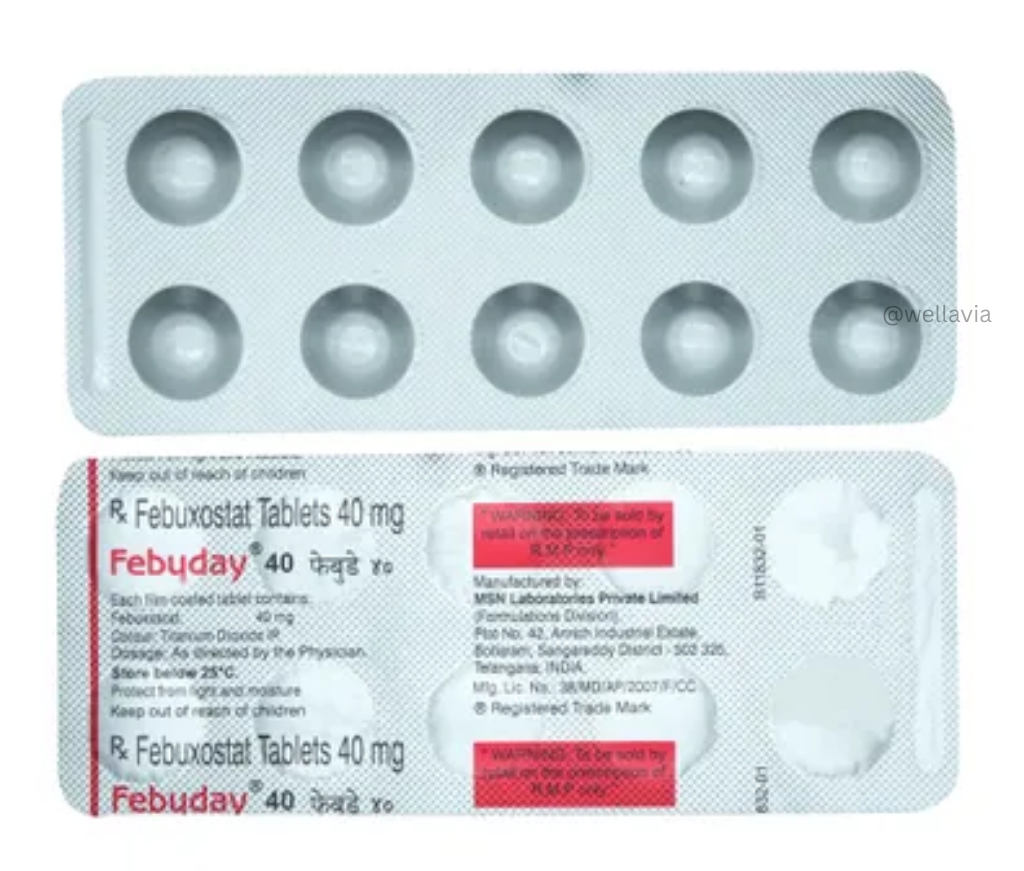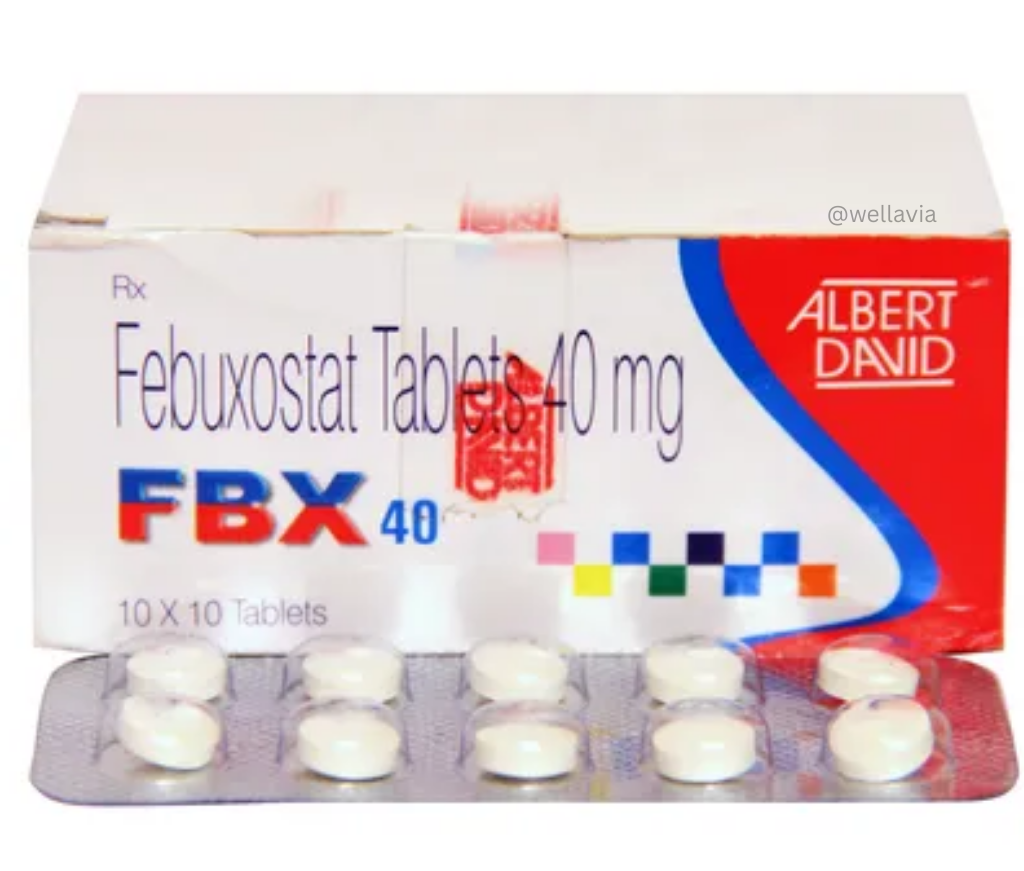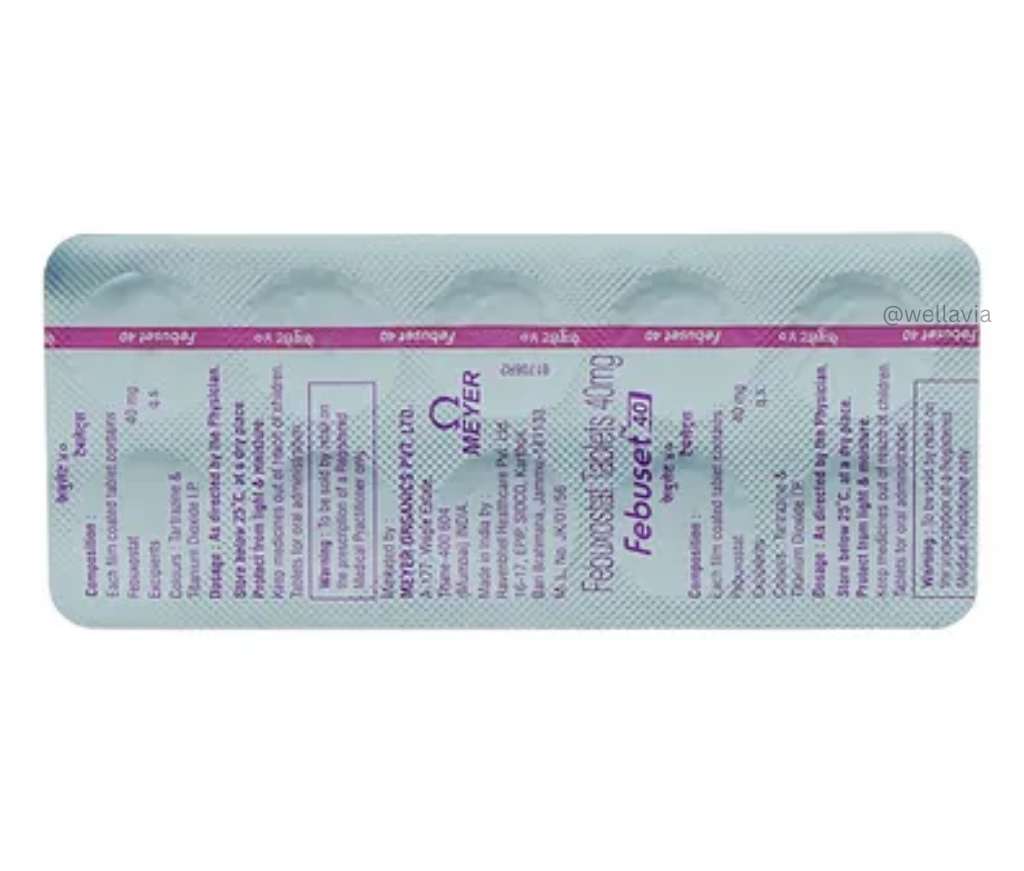
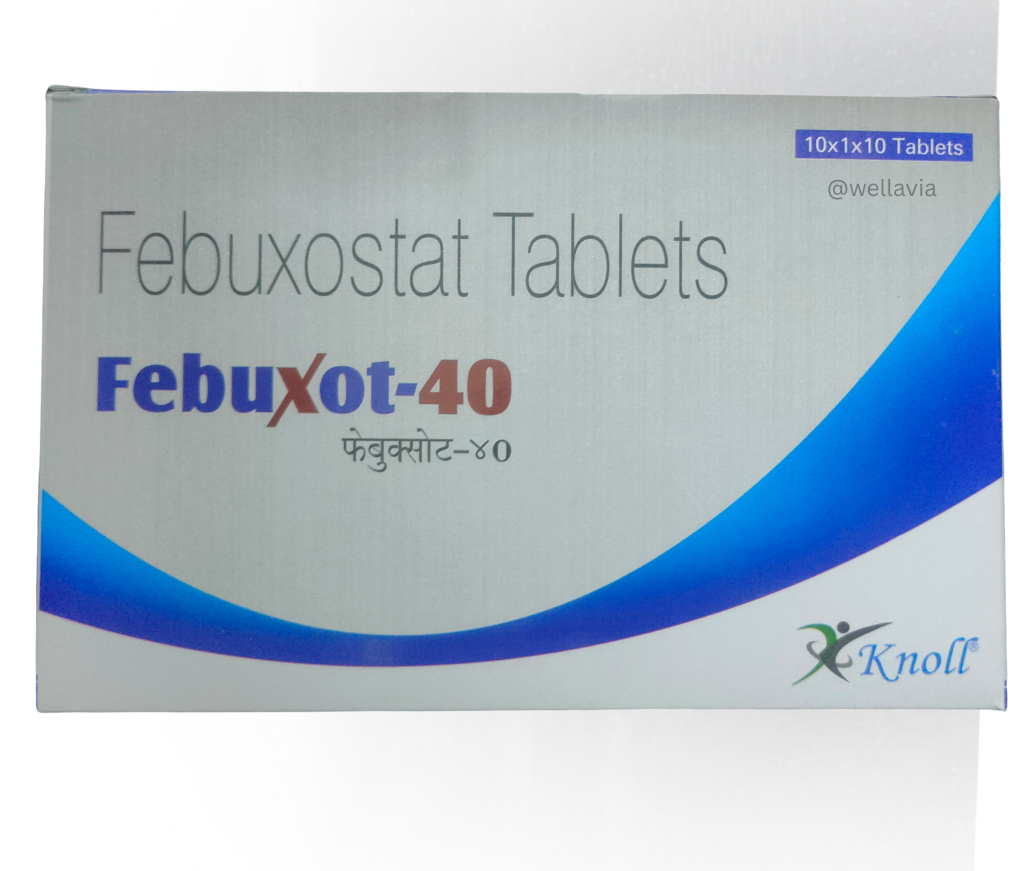
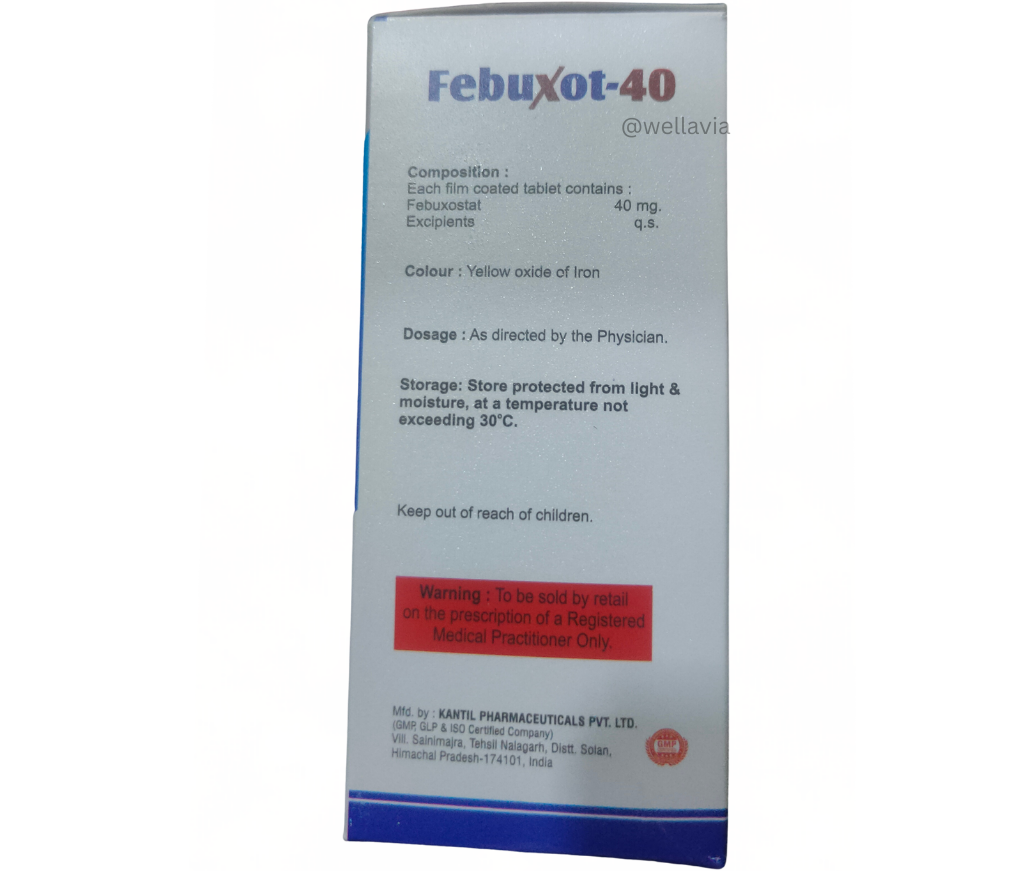
Febuxot 40 Tablet 10s
 Item requires a valid prescription
Manufactured By KNOLL HEALTHCARE PVT LTD
Composition Febuxostat(40mg)
Rs 114.24
MRP Rs 178.50
(36% OFF)
Includes all taxes
Package SIZE
( 1 Pcs )

100% Authentic
Products

Free
Shipping*

Products
Return Policy
Available Substitutes
-
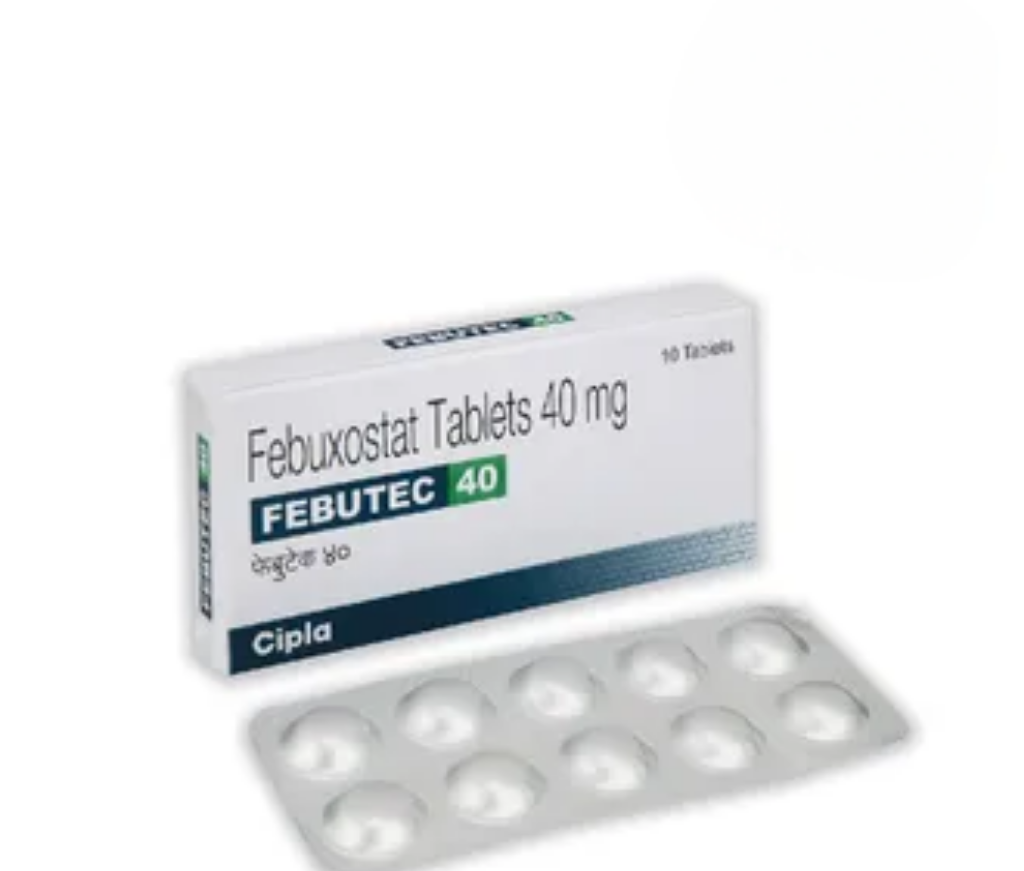
Febutec 40mg tablet 10 s
CIPLA (LTD.)
Rs 94.15
40 % OFF Rs 156.91 -
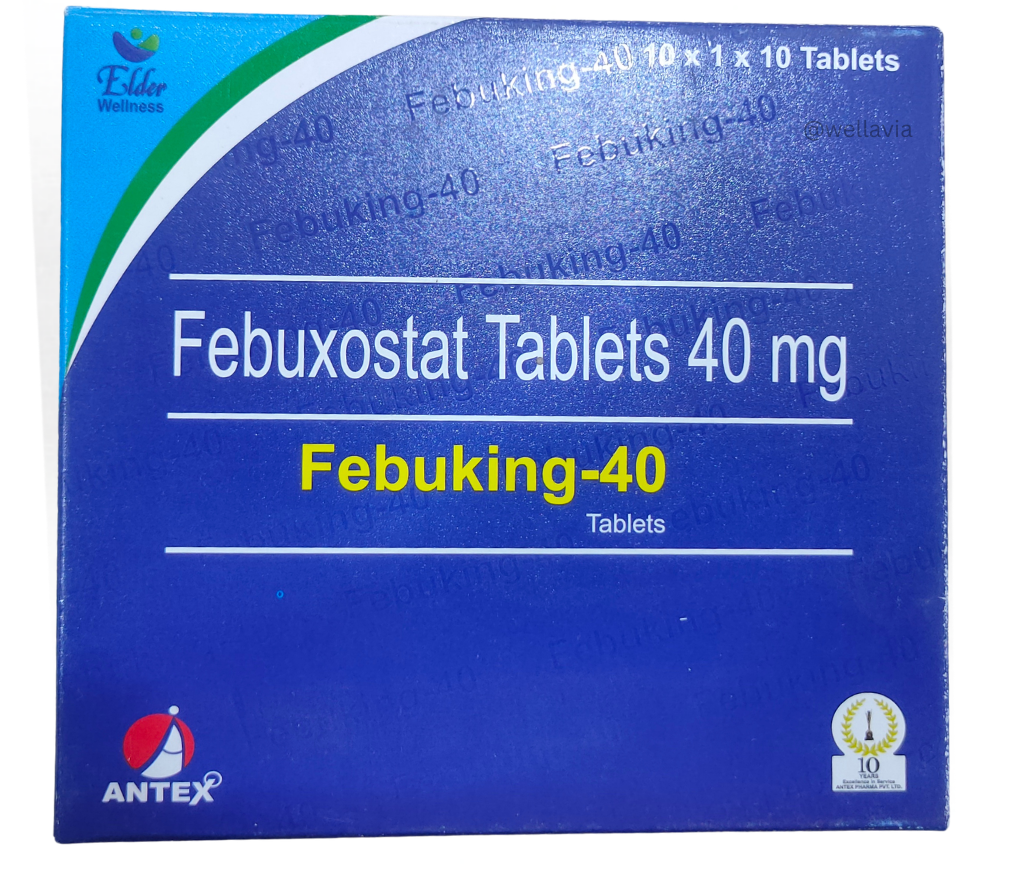
FEBUKING-40 TAB A/A 10s
ELDER PHARMACEUTICALS LTD.
Rs 72.00
40 % OFF Rs 120.00 -
Febuget 40 Tablet 15 S
SUN PHARMACEUTICAL INDUSTRIES LTD
Rs 193.73
16 % OFF Rs 230.63
Uses / Indications: It's important to talk to your doctor before starting Febuxostat 40mg tablets, especially if you are taking other medications or have any health concerns.
Drug Interactions:
Other Gout Medications: Don't take Febuxostat with other medications used to treat gout, like allopurinol, unless specifically instructed by your doctor. Taking them together could increase your risk of side effects.
Azathioprine and Mercaptopurine: Febuxostat can affect how your body processes these medications, used to treat certain autoimmune diseases and cancers. Your doctor may need to adjust your dose.
Warfarin (and other blood thinners): Febuxostat might increase the effects of blood thinners like warfarin, increasing your risk of bleeding. Your doctor will need to monitor you closely.
Theophylline: Febuxostat can reduce the effectiveness of theophylline, used to treat breathing problems like asthma. Your doctor may need to adjust your dose.
Food and Lifestyle Interactions:
Alcohol: Excessive alcohol consumption can worsen gout symptoms and may interact with Febuxostat. Limit your alcohol intake.
Purine-rich foods: While Febuxostat helps manage gout, reducing your intake of purine-rich foods (like red meat, organ meats, and certain seafood) can help further control your uric acid levels.
Medical Conditions and Warnings:
Kidney Disease: If you have kidney problems, Febuxostat may not be suitable, or your dose may need to be adjusted. Your doctor will assess your kidney function before prescribing.
Liver Disease: Febuxostat is processed by the liver. If you have liver problems, your doctor will need to carefully monitor you while you are taking this medication.
Heart Problems: Febuxostat has been associated with an increased risk of cardiovascular events in some studies. Your doctor will consider your heart health before prescribing.
Allergic Reactions: Stop taking Febuxostat and seek immediate medical attention if you experience an allergic reaction such as rash, swelling, or difficulty breathing.
Severe Gout Attacks: While Febuxostat is meant to prevent gout attacks, you might experience a flare-up initially. Your doctor can prescribe medication to manage these flares.
This information is not exhaustive. Always consult your doctor or pharmacist for complete and personalized advice.
- Product composition:
- Febuxostat(40mg)
Drug Interactions:
Other Gout Medications: Don't take Febuxostat with other medications used to treat gout, like allopurinol, unless specifically instructed by your doctor. Taking them together could increase your risk of side effects.
Azathioprine and Mercaptopurine: Febuxostat can affect how your body processes these medications, used to treat certain autoimmune diseases and cancers. Your doctor may need to adjust your dose.
Warfarin (and other blood thinners): Febuxostat might increase the effects of blood thinners like warfarin, increasing your risk of bleeding. Your doctor will need to monitor you closely.
Theophylline: Febuxostat can reduce the effectiveness of theophylline, used to treat breathing problems like asthma. Your doctor may need to adjust your dose.
Food and Lifestyle Interactions:
Alcohol: Excessive alcohol consumption can worsen gout symptoms and may interact with Febuxostat. Limit your alcohol intake.
Purine-rich foods: While Febuxostat helps manage gout, reducing your intake of purine-rich foods (like red meat, organ meats, and certain seafood) can help further control your uric acid levels.
Medical Conditions and Warnings:
Kidney Disease: If you have kidney problems, Febuxostat may not be suitable, or your dose may need to be adjusted. Your doctor will assess your kidney function before prescribing.
Liver Disease: Febuxostat is processed by the liver. If you have liver problems, your doctor will need to carefully monitor you while you are taking this medication.
Heart Problems: Febuxostat has been associated with an increased risk of cardiovascular events in some studies. Your doctor will consider your heart health before prescribing.
Allergic Reactions: Stop taking Febuxostat and seek immediate medical attention if you experience an allergic reaction such as rash, swelling, or difficulty breathing.
Severe Gout Attacks: While Febuxostat is meant to prevent gout attacks, you might experience a flare-up initially. Your doctor can prescribe medication to manage these flares.
This information is not exhaustive. Always consult your doctor or pharmacist for complete and personalized advice.
- Pregnancy interaction:
- Febuxostat (the active ingredient in Febuxot 40 Tablet 10s) is a medication used to treat gout. Its use during pregnancy is complex and requires careful consideration due to a lack of extensive safety data. Therefore, medical supervision is crucial.
Safety: There is limited data on the use of febuxostat during pregnancy. The potential risks to the developing fetus are not fully understood. Therefore, it is generally considered unsafe to use unless the potential benefits significantly outweigh the potential risks.
Purpose: Febuxostat is not typically used to treat conditions during pregnancy. Gout, its primary indication, is managed with alternative therapies during pregnancy whenever possible to minimize risk to the mother and fetus.
Medical Supervision: The decision to use febuxostat during pregnancy should only be made by a physician after carefully weighing the risks and benefits for both the mother and the fetus. Close monitoring is necessary throughout the pregnancy if the medication is deemed absolutely necessary. Alternative treatments will always be explored first.
Alternatives: Safer alternatives for managing gout during pregnancy exist and should be prioritized. A doctor will assess the best course of action based on the individual's circumstances.
- Expert advice:
- Expert Advice: Febuxostat 40mg Tablets
Take as prescribed: Strictly adhere to your doctor's prescribed dosage and frequency. Do not adjust the dose or stop taking the medication without consulting your physician.
Consistent timing: Take your Febuxostat tablet at the same time each day to maintain consistent blood levels. This improves efficacy.
With or without food: Febuxostat can be taken with or without food, but maintaining consistency in this regard is important for predictable absorption. Choose one method and stick to it.
Hydration: Drink plenty of fluids while taking Febuxostat. Adequate hydration helps with overall health and may aid in medication metabolism.
Monitor for side effects: Be aware of potential side effects such as nausea, diarrhea, abdominal pain, rash, and joint pain. Report any unusual or concerning symptoms to your doctor immediately.
Liver function tests: Regular liver function tests may be required, especially during the initial stages of treatment. Your doctor will schedule these as needed.
Gout flares: You may experience gout flares initially, even after starting Febuxostat. Your doctor may prescribe additional medication to manage these flares. Do not discontinue Febuxostat without consulting your physician.
Avoid alcohol: Excessive alcohol consumption can interfere with Febuxostat's effectiveness and increase the risk of side effects. Moderate or abstain from alcohol use while on this medication.
Purine-rich foods: While dietary changes aren't always necessary, limiting purine-rich foods (organ meats, red meat, seafood) may help manage gout symptoms. Consult a dietician or your doctor for personalized dietary advice.
Regular check-ups: Schedule regular follow-up appointments with your doctor to monitor your progress and adjust treatment as needed.
Medication interactions: Inform your doctor of all other medications you are taking, including over-the-counter drugs, herbal remedies, and supplements. Some medications can interact with Febuxostat.
Allergic reactions: If you experience a severe allergic reaction (e.g., difficulty breathing, swelling of the face, lips, or tongue), seek immediate medical attention.
Pregnancy and breastfeeding: Febuxostat is not recommended during pregnancy or breastfeeding. Discuss alternative treatment options with your doctor if you are pregnant, breastfeeding, or planning to become pregnant.
This information is for general guidance only and does not replace professional medical advice. Always consult your doctor or pharmacist before starting or changing any medication.
- Side Effects:
- Febuxostat (Febuxot 40 Tablet 10s) can cause several side effects, some common and others more serious. Always consult your doctor if you experience any concerning symptoms.
Common Side Effects:
Nausea
Diarrhea
Headache
Dizziness
Upper respiratory tract infection (colds)
Back pain
Rash
Serious Side Effects that require medical attention:
Severe allergic reactions (such as swelling of the face, lips, tongue, or throat; difficulty breathing; hives)
Chest pain
Irregular heartbeat
Jaundice (yellowing of the skin or eyes)
Severe stomach pain
Unexplained bruising or bleeding
Signs of liver problems (dark urine, clay-colored stools, yellowing of the skin or eyes)
Gout flare-ups (severe joint pain and inflammation)
This is not an exhaustive list of all possible side effects. If you experience any other symptoms, or if you have any concerns about your medication, talk to your doctor or pharmacist.
- How to use:
- How To Use Febuxostat 40mg Tablets:
Take the tablet whole: Do not crush, chew, or break the tablet.
Take with food: Swallow the tablet with a full glass of water. Taking it with food helps reduce stomach upset.
Follow your doctor's instructions: Take the exact dose prescribed by your doctor, at the time they instructed. This will usually be once a day.
Missed dose: If you miss a dose, take it as soon as you remember, unless it is almost time for your next dose. Do not take a double dose to make up for a missed one.
Regular use: Take this medicine regularly for the best results, even if you feel well.
Storage: Store the tablets in a cool, dry place away from direct sunlight and moisture. Keep them out of reach of children.
Seek medical advice: If you experience any side effects or have any concerns about this medication, contact your doctor or pharmacist immediately.
Do not stop taking the medication suddenly: Stop taking this medication only under the guidance of your doctor. Sudden cessation may be harmful.
This information is for general guidance only and does not replace the advice of your doctor or pharmacist. Always refer to the patient information leaflet provided with your medication for complete instructions.
- How it works:
- Febuxostat 40mg tablets help lower uric acid levels in your blood.
Febuxostat: This is the main ingredient in the medicine. It works by blocking an enzyme called xanthine oxidase. This enzyme is responsible for creating uric acid in your body. By blocking this enzyme, Febuxostat reduces the amount of uric acid produced.
Inactive ingredients: These are other components in the tablet that help to make the tablet work correctly, such as binders and fillers. They don't have a direct effect on uric acid levels themselves. They simply help the Febuxostat to be formed into a tablet that your body can easily take and absorb.
In short, Febuxostat reduces uric acid by directly interfering with the body's process of making it, leading to lower uric acid levels in your blood.
- Faq for medicine:
- What is Febuxostat 40 mg Tablet used for?
Febuxostat is used to treat hyperuricemia (high levels of uric acid in the blood) in adults with gout. It helps lower uric acid levels to prevent gout flares (sudden, painful attacks of gout).
How should I take Febuxostat 40 mg Tablet?
Take Febuxostat exactly as your doctor prescribes. It's usually taken once a day with or without food. Do not change your dose or stop taking it without talking to your doctor first.
What are the common side effects of Febuxostat 40 mg Tablet?
Common side effects can include nausea, diarrhea, headache, and abdominal pain. These are usually mild and go away on their own. However, if you experience any severe or persistent side effects, contact your doctor immediately.
What should I do if I miss a dose of Febuxostat 40 mg Tablet?
If you miss a dose, take it as soon as you remember, unless it is almost time for your next dose. Do not take a double dose to make up for a missed one.
Are there any precautions I should take while using Febuxostat 40 mg Tablet?
You should tell your doctor about all your medical conditions, including any allergies, liver or kidney problems, and other medications you are taking. Febuxostat can interact with other drugs. Avoid drinking excessive alcohol while taking this medicine.
What should I do if I experience a gout flare while taking Febuxostat?
While Febuxostat lowers uric acid, you may still experience gout flares, especially at the beginning of treatment. Contact your doctor immediately if you experience a gout flare as they may need to adjust your treatment plan.
- Medicine interaction:
- It's crucial to tell your doctor about all the medications, vitamins, supplements, and even herbal remedies you're taking before starting Febuxostat (the active ingredient in Febuxot 40 Tablet 10s). This includes over-the-counter drugs. Many substances can interact with Febuxostat, potentially leading to reduced effectiveness, increased side effects, or other complications. Always consult your doctor or pharmacist before combining Febuxostat with anything else.
Here are some examples of drug classes or substances that may interact with Febuxostat:
Azathioprine and other immunosuppressants: Febuxostat can increase the levels of azathioprine and similar drugs in your blood, potentially leading to increased side effects like low white blood cell counts.
Theophylline: Febuxostat may increase the levels of theophylline in your blood, potentially causing increased side effects like heart palpitations, nausea, or headaches.
Warfarin (and other anticoagulants): Febuxostat might affect how well your blood clots. If you are taking warfarin or a similar medication to thin your blood, close monitoring is necessary to avoid bleeding risks.
Mercaptopurine: Similar to azathioprine, Febuxostat can increase the blood levels of mercaptopurine, potentially increasing the risk of side effects.
Certain diuretics (water pills): Some diuretics can affect how the body handles Febuxostat, potentially altering its effectiveness or increasing side effects. It's important to discuss this with your doctor.
Alcohol: Excessive alcohol consumption can increase the risk of liver problems, which is a potential side effect of Febuxostat.
High-purine foods: While not a drug interaction in the strictest sense, consuming large amounts of high-purine foods (like organ meats, red meat, and certain seafood) can increase uric acid levels, potentially counteracting the effects of Febuxostat. Your doctor may advise you on dietary modifications.
This list is not exhaustive, and other interactions are possible. Always inform your doctor or pharmacist about all medications and supplements you are taking to ensure your safety and the effectiveness of your treatment.