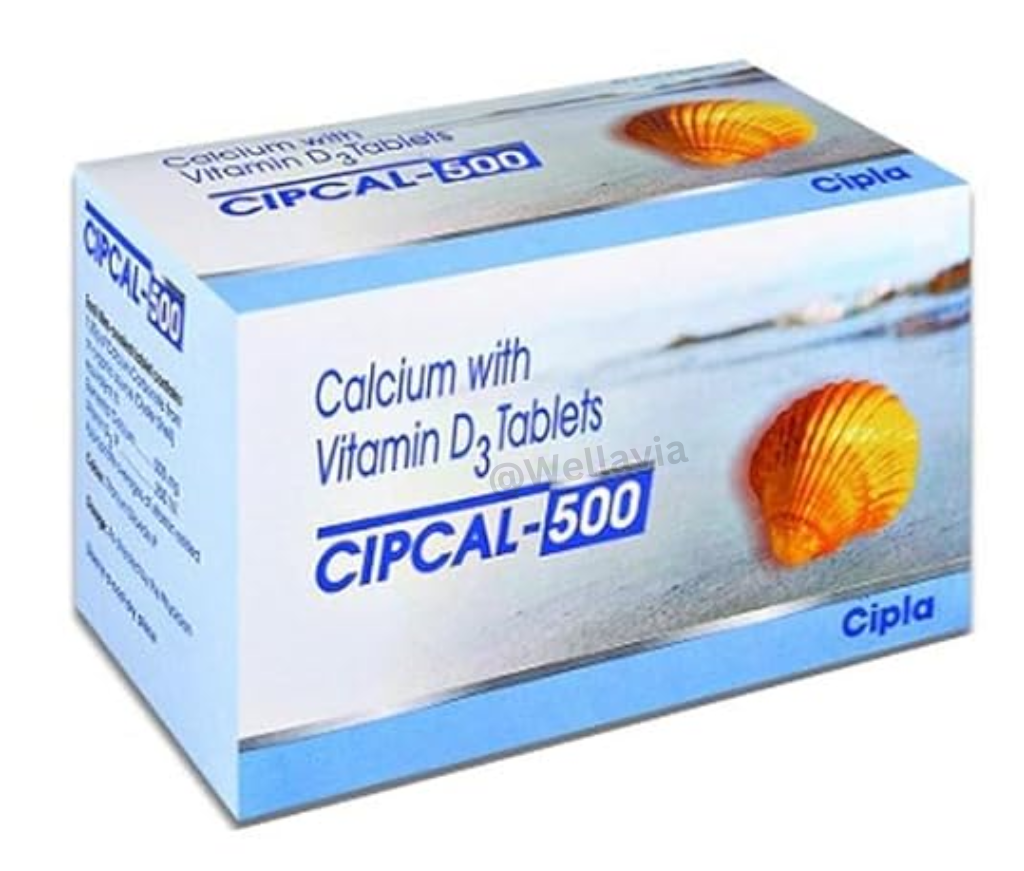
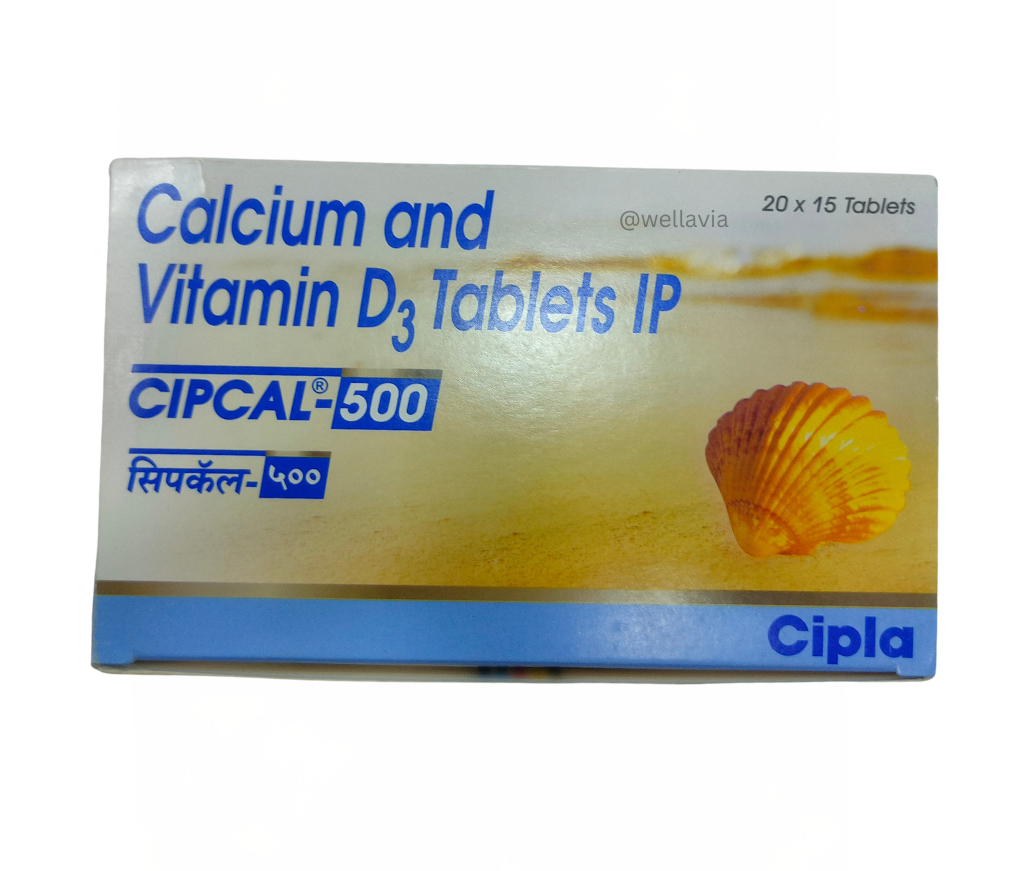
CIPCAL 500 TAB 15 S
 Item requires a valid prescription
Manufactured By HEALTH CARE (CIPLA)
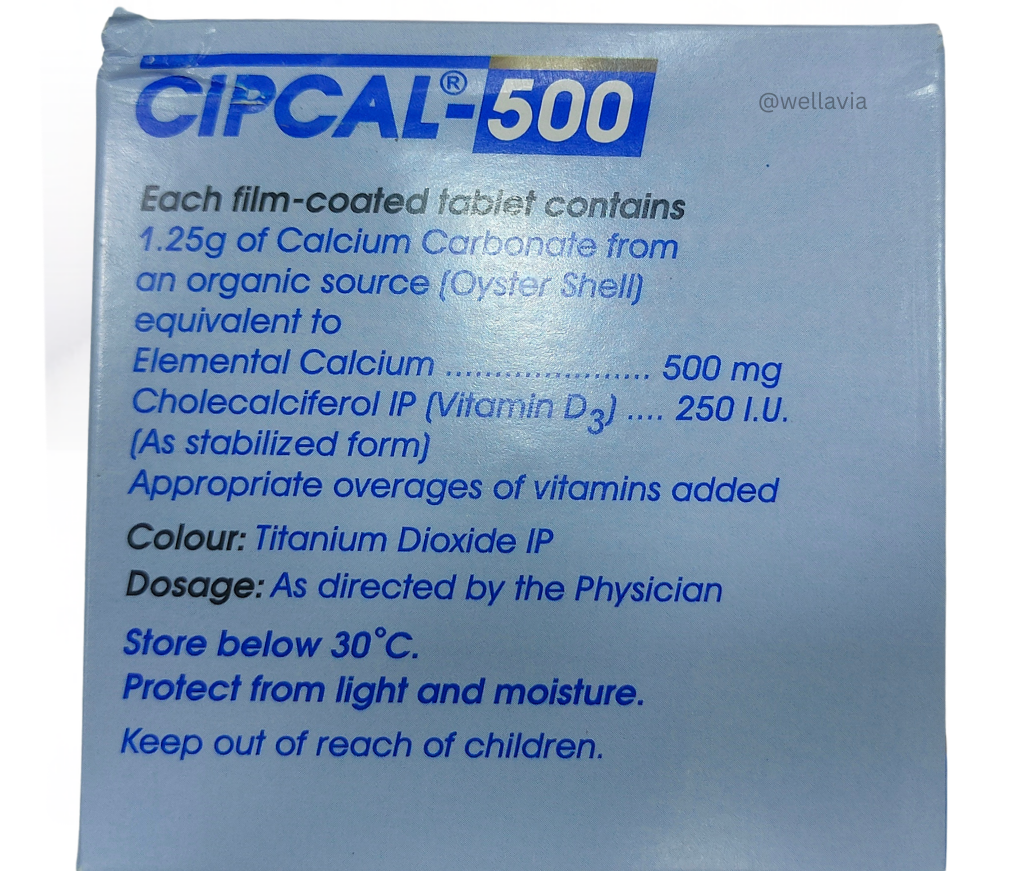
Composition Calcium(500.0 Mg) Vitamin D3 / Cholecalciferol(250.0 Iu)
Rs 64.75
MRP Rs 107.92
(40% OFF)
Includes all taxes
Package SIZE
( 1 strip )

100% Authentic
Products

Free
Shipping*

Products
Return Policy
Available Substitutes
-
Cacimarx tablet 1box
Marxx Pharma
Rs 108.60
40 % OFF Rs 181.00
CIPCAL 500 TAB 15'S is a supplement containing calcium and vitamin D3, designed to support bone health by addressing and preventing calcium and vitamin D deficiencies. Calcium is essential for building and maintaining strong bones, teeth, and proper muscle and nerve function, while vitamin D3 enhances the absorption of calcium and phosphorus, promoting healthy bone formation and regeneration. This medicine is commonly used to manage conditions such as osteoporosis, rickets, osteomalacia, and other bone-related disorders, especially in populations with increased needs like the elderly, pregnant, or breastfeeding women. It also contributes to muscle function and joint flexibility. Medical guidance is important when using CIPCAL 500 to ensure safe and appropriate use based on individual health conditions.
Uses / Indications: It's always best to talk to your doctor or pharmacist before starting CIPCAL 500 TAB 15'S, or if you have any questions or concerns about potential interactions or side effects.
Drug Interactions:
Other pain relievers: Taking CIPCAL 500 (which likely contains paracetamol/acetaminophen) with other medications containing paracetamol, ibuprofen, or aspirin can increase the risk of liver damage or other side effects. Always check the labels of all your medicines.
Warfarin (blood thinner): CIPCAL 500 may increase the effects of warfarin, leading to increased bleeding risk. Your doctor needs to monitor you closely if you are taking both medications.
Alcohol: Combining CIPCAL 500 with alcohol can increase the risk of liver damage and stomach upset. It's best to avoid alcohol while taking this medicine.
Certain antibiotics: Some antibiotics may interact with CIPCAL 500, potentially affecting its effectiveness or causing side effects. Inform your doctor about all medications you are taking.
Food and Lifestyle Interactions:
Grapefruit: Grapefruit juice can interact with some medications and may affect how your body processes CIPCAL 500. It's best to avoid grapefruit juice while taking this medicine.
Caffeine: Caffeine can increase the risk of stomach upset when combined with CIPCAL 500. Limit your caffeine intake while using this medicine.
Smoking: Smoking can affect how your body processes some medications. Inform your doctor if you smoke.
Medical Conditions and Warnings:
Liver disease: If you have liver disease, you should use CIPCAL 500 with extreme caution, or not at all, as it can further damage your liver.
Kidney disease: CIPCAL 500 should be used cautiously in people with kidney disease, as it may build up in the body and cause harm.
Allergies: If you are allergic to paracetamol or any other ingredients in CIPCAL 500, do not take it. Seek immediate medical attention if you experience an allergic reaction.
Pregnancy and breastfeeding: Talk to your doctor before taking CIPCAL 500 if you are pregnant, breastfeeding, or planning to become pregnant. This medicine may not be safe during these periods.
Children: Always follow the dosage instructions carefully for children, as it may be different than the adult dosage.
Disclaimer: This information is for general knowledge and does not constitute medical advice. Always consult your doctor or pharmacist for specific guidance on medication use.
- Product composition:
- Calcium(500.0 Mg) Vitamin D3 / Cholecalciferol(250.0 Iu)
- Pregnancy interaction:
- CIPCAL 500 TAB 15'S, containing calcium and vitamin D, is a supplement often considered during pregnancy to address potential deficiencies. However, its use during pregnancy requires careful consideration and should always be under the guidance of a healthcare professional. Self-medicating with this or any supplement during pregnancy is strongly discouraged.
Safety: The safety of CIPCAL 500 TAB 15'S during pregnancy is generally considered acceptable when used as directed by a doctor. However, excessive calcium intake can have potential negative consequences. The specific dosage and suitability depend entirely on individual needs and health status.
Purpose: The primary purpose is to supplement calcium and vitamin D levels. Both are crucial for fetal bone development and the mother's overall health during pregnancy. Deficiencies can lead to complications.
Medical Supervision: It is vital to consult a doctor before taking CIPCAL 500 TAB 15'S during pregnancy. A doctor can assess the mother's existing calcium and vitamin D levels through blood tests and determine if supplementation is necessary and, if so, the appropriate dosage. They can also monitor for any potential side effects. Pre-existing health conditions might influence the suitability of this supplement.
Self-Medication Warning: Taking any medication or supplement during pregnancy without a doctor's recommendation is risky. The potential benefits must be carefully weighed against any potential risks to both the mother and the developing fetus.
- Expert advice:
- Expert Advice: CIPCAL 500 TAB 15'S
Dosage and Timing: Always follow your doctor's prescribed dosage and schedule. Do not adjust the dose or frequency on your own. Take the tablets with a full glass of water, preferably with food to minimize stomach upset.
Consistent Use: For optimal results, take CIPCAL 500 consistently as directed, even if you feel better. Stopping prematurely may lead to relapse or treatment failure.
Missed Dose: If you miss a dose, take it as soon as you remember unless it is almost time for your next dose. Do not double the dose to make up for a missed one.
Storage: Store the medication in a cool, dry place, away from direct sunlight and moisture, and out of reach of children.
Alcohol and Other Medications: Avoid alcohol consumption while taking CIPCAL 500, as it can interact negatively. Inform your doctor about all other medications, including over-the-counter drugs and herbal supplements, you are currently taking to prevent potential drug interactions.
Lifestyle Modifications: Maintain a healthy lifestyle including a balanced diet, regular exercise, and adequate rest. These factors can support the effectiveness of the medication.
Potential Side Effects: Be aware of potential side effects such as nausea, vomiting, diarrhea, or headache. If you experience any severe or persistent side effects, contact your doctor immediately.
Allergic Reactions: Stop taking CIPCAL 500 and seek immediate medical attention if you experience an allergic reaction, such as skin rash, swelling, difficulty breathing, or dizziness.
Regular Check-ups: Attend all scheduled follow-up appointments with your doctor to monitor your progress and adjust treatment as needed.
Pregnancy and Breastfeeding: Inform your doctor if you are pregnant, breastfeeding, or planning to become pregnant before taking CIPCAL 500.
Driving and Operating Machinery: Be aware that CIPCAL 500 may cause drowsiness or dizziness in some individuals. Avoid driving or operating machinery if affected.
Disclaimer: This information is for general knowledge and does not constitute medical advice. Always consult your doctor or pharmacist for personalized guidance regarding CIPCAL 500 or any other medication.
- Side Effects:
- Cipcal 500 Tablet, used to treat calcium and vitamin D deficiency, may cause certain side effects. Awareness of these effects helps in managing the medicine safely.
Common Side Effects:
- Dryness in the mouth
- Nausea
- Constipation
- Abdominal pain or discomfort
- Headache
- Increased gas or flatulence
- Muscle cramps or spasms
- Itching
- Mild inflammation in the throat, mouth, or face
- Mild pain while urinating
- Mild redness or pain in the eyes
- Frequent toothaches
Serious Side Effects that require medical attention:
- Nephrocalcinosis (calcium buildup in the kidneys)
- Kidney stones
- Bloody or black stools, which could indicate bleeding
- Chest pain
- Significant vision impairment
- Intense discomfort or pain while swallowing
- Immune system-related diseases or severe respiratory problems
- Excessive calcium excretion in urine (hypercalciuria)
- Severe inflammation or allergic reactions affecting the face or mouth
If you experience any serious symptoms, it is important to seek medical help immediately. Always inform your healthcare provider about any unusual or persistent side effects while using Cipcal 500 Tablet.
- How to use:
- Take the medicine as prescribed by your doctor. Do not change the dosage or stop taking it without consulting your doctor.
Swallow the tablet whole with a glass of water. Do not crush, chew, or break the tablet.
The best time to take CIPCAL 500 is usually with food. This helps to reduce stomach upset. Follow your doctor's specific instructions.
If you miss a dose, take it as soon as you remember. If it is almost time for your next dose, skip the missed dose and continue with your regular schedule. Do not take a double dose.
Store the medicine in a cool, dry place, away from direct sunlight and moisture. Keep it out of reach of children and pets.
If you experience any side effects, contact your doctor or pharmacist immediately.
Do not share this medication with anyone else. It has been prescribed specifically for you.
Check the expiry date on the packaging. Do not use the medication after the expiry date.
Dispose of any unused medication responsibly. Follow your local guidelines for medication disposal.
- How it works:
- CIPCAL 500 TAB 15'S is a medicine that helps reduce stomach acid and relieve symptoms of conditions like heartburn and acid reflux.
Ciprofloxacin (500mg): This is an antibiotic. It works by killing bacteria that may be causing an infection in your stomach or intestines. It's important to note that this medicine is only used when a bacterial infection is present, not for general heartburn or acid reflux. It targets the bacteria's DNA, preventing them from reproducing and ultimately destroying them.
The name CIPCAL 500 TAB 15'S suggests a combination of Ciprofloxacin and potentially other ingredients. However, based solely on the provided name, it appears that Ciprofloxacin is the only active ingredient. If other ingredients are present, their functions would need to be specified. If you have any concerns about the medication or its ingredients, always consult your doctor or pharmacist.
- Faq for medicine:
- What is Cipcal 500 Tablet used for?
Cipcal 500 Tablet is mainly used to treat and prevent calcium and vitamin D deficiencies. It helps strengthen bones, treat osteoporosis, and support bone health, especially in elderly people, pregnant or breastfeeding women, and those with low calcium levels.
How should I take Cipcal 500 Tablet?
Take Cipcal 500 as prescribed by your doctor, usually after meals for better absorption. Do not exceed the recommended dose. Follow your healthcare provider’s instructions carefully.
What are some common side effects of Cipcal 500 Tablet?
Common side effects can include mild stomach upset, nausea, vomiting, diarrhea, muscle cramps, itching, or gas. Serious side effects are rare but may include kidney problems, high calcium levels, or allergic reactions. Contact your doctor if you notice unusual symptoms.
What should I do if I miss a dose?
If you miss a dose, take it as soon as you remember. If it is almost time for your next dose, skip the missed one. Do not double the dose to make up for a missed tablet.
Are there any important precautions I should know before taking Cipcal 500?
Do not take Cipcal if you have a high blood calcium level, kidney stones, or are allergic to its ingredients. Inform your doctor if you have heart, kidney, or liver conditions, or if you are taking other calcium or vitamin D supplements.
Can I take Cipcal 500 Tablet during pregnancy or breastfeeding?
Cipcal 500 is generally safe during pregnancy (after the first trimester) and breastfeeding but always consult your healthcare provider before use to ensure it’s appropriate for your situation.
- Medicine interaction:
- It's crucial to tell your doctor about all the medications, supplements, and even herbal remedies you're taking, including over-the-counter drugs, before starting any new treatment, like CIPCAL 500 (which contains ciprofloxacin, an antibiotic). This is because medications can interact with each other in unexpected ways, sometimes leading to reduced effectiveness or increased side effects. Here are some examples of potential interactions with ciprofloxacin:
Antacids: Taking antacids containing magnesium or aluminum hydroxide at the same time as ciprofloxacin can reduce its absorption, meaning less of the antibiotic reaches your bloodstream to fight infection. It's best to separate the doses by several hours.
Dairy Products (Milk, Yogurt, Cheese): Calcium in dairy products can also interfere with the absorption of ciprofloxacin, similar to antacids. Spacing out the consumption of dairy and ciprofloxacin is recommended.
Sucralfate: This medication, used to treat ulcers, can also bind to ciprofloxacin and reduce its absorption. Taking them at different times is essential.
Iron Supplements: Iron supplements can interact with ciprofloxacin, potentially reducing the effectiveness of either medication. Maintaining a time gap between doses is advisable.
Multivitamins containing minerals (zinc, magnesium, calcium, iron): Similar to the above, the minerals in multivitamins can interfere with ciprofloxacin absorption.
Theophylline: Ciprofloxacin can increase the blood levels of theophylline (used to treat asthma and COPD), potentially leading to increased side effects from theophylline. Your doctor may need to monitor your theophylline levels more closely.
Warfarin (Coumadin): Ciprofloxacin may increase the effects of warfarin, a blood thinner, increasing the risk of bleeding. Close monitoring of your blood clotting time (INR) is necessary if you are taking both medications.
Caffeine: Although not a drug, caffeine metabolism can be affected by ciprofloxacin, potentially leading to increased caffeine levels in the body.
This list is not exhaustive, and other interactions are possible. Always consult your doctor or pharmacist if you have any concerns about potential drug interactions. They can help you manage your medications safely and effectively.