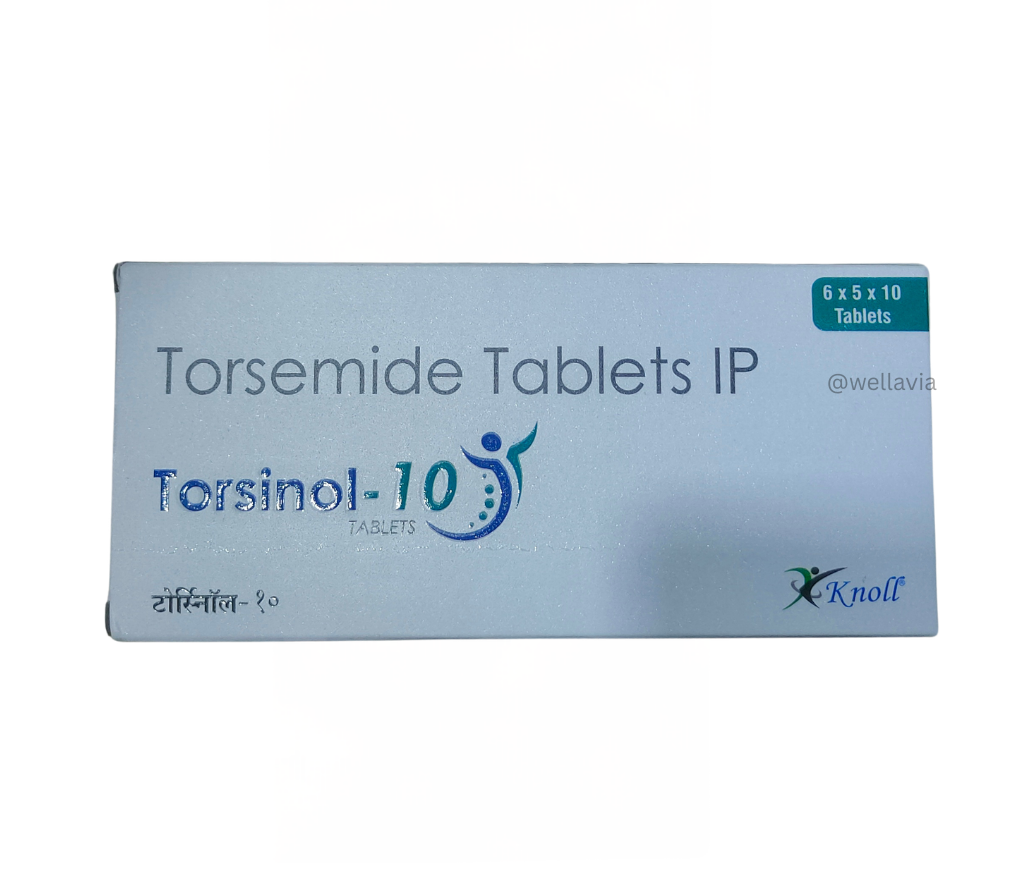
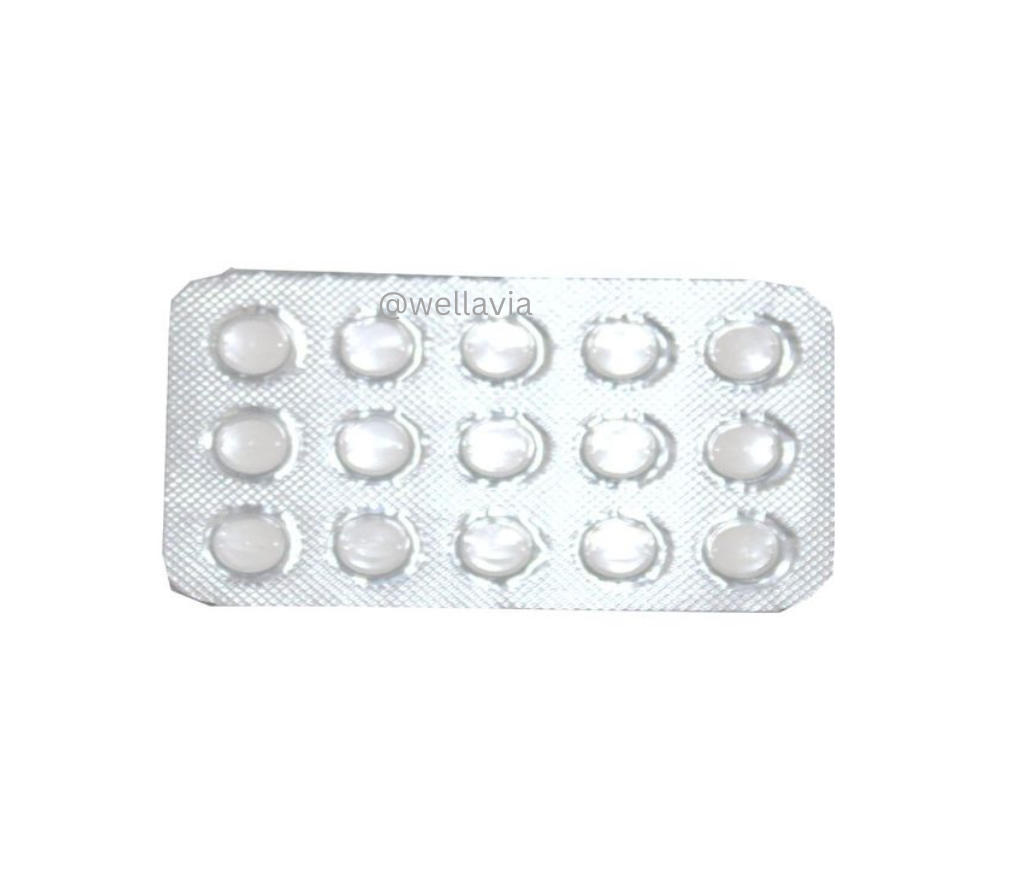
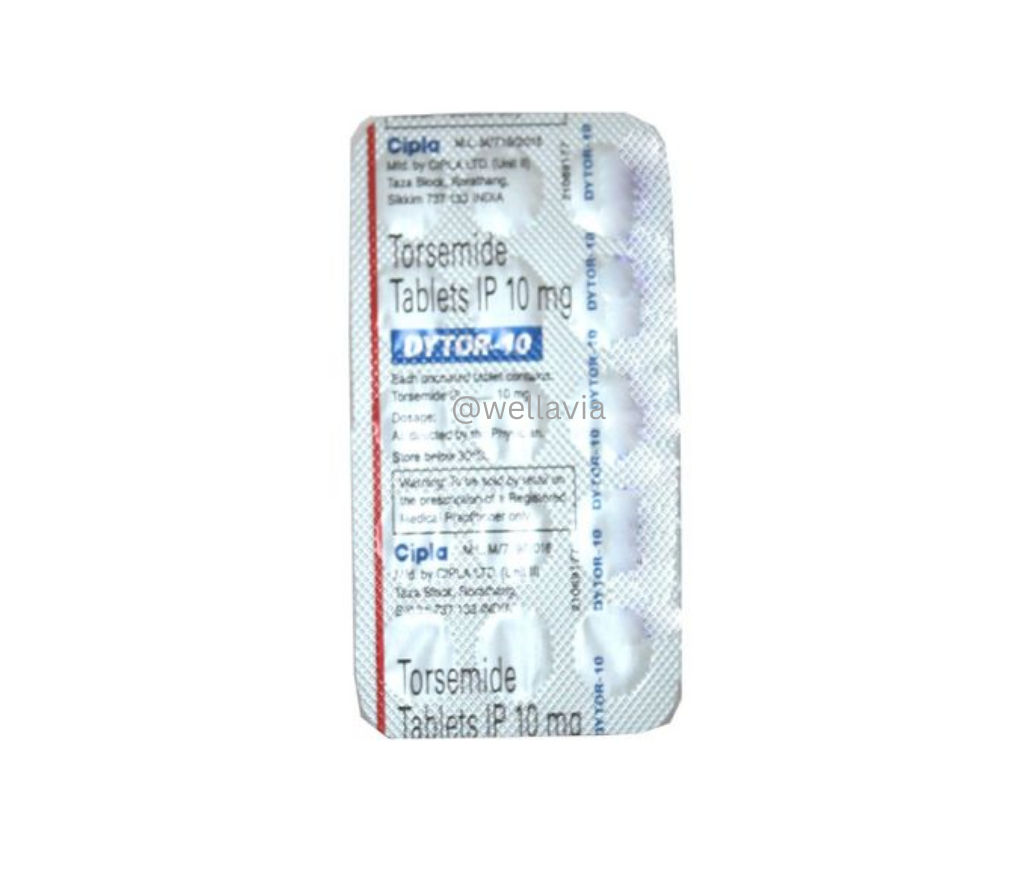
Dytor 10 Tablet- 15
 Item requires a valid prescription
Manufactured By CIPLA LTD
Composition Torasemide / Torsemide(10.0 Mg)
Rs 88.97
MRP Rs 105.92
(16% OFF)
Includes all taxes
Package SIZE
( 1 Strip )

100% Authentic
Products

Free
Shipping*

Products
Return Policy
Available Substitutes
-
Torsinol 10mg Tablet 10s
KNOLL HEALTHCARE PVT LTD
Rs 28.16
36 % OFF Rs 44.00
Uses / Indications: Before taking Dytor 10 Tablet, it is important to consult your doctor to discuss all possible interactions and warnings related to your medications, food habits, and medical conditions to ensure safe and effective use.
Drug Interactions
- Other medications: Tell your doctor about all medicines you are taking, including antibiotics, gout medicines, diabetes treatments, mental health drugs, blood pressure medicines, muscle relaxants, pain killers, blood thinners, water pills (especially potassium-sparing types), and antidepressants because these can change how Dytor works or increase side effects.
- Salicylates (e.g., aspirin): Taking these with Dytor can raise salicylate levels dangerously, so your doctor may adjust doses or advise against combining them.
- Lithium: Using lithium with Dytor may increase your risk of toxicity, requiring close monitoring.
- Cholestyramine and Probenecid: These can interfere with how well Dytor is absorbed or works in your body.
- Certain pain relievers and anti-inflammatory drugs: Medicines like etoricoxib or diclofenac may interact with Dytor, affecting its effectiveness or increasing risks, so doctor guidance is needed.
Food and Lifestyle Interactions
- Grapefruit juice: It may increase the amount of Dytor in your blood, possibly leading to more side effects.
- Dehydration risk: Since Dytor increases urination, staying hydrated is important to avoid dehydration and loss of important minerals like potassium, sodium, calcium, and magnesium.
- Avoid sudden changes in salt intake: Fluctuations can affect how well the medicine controls your blood pressure and fluid balance.
Medical Conditions and Warnings
- Kidney and liver disease: Dytor is often used to manage fluid build-up from these conditions, but close monitoring is necessary to avoid worsening kidney function or electrolyte imbalances.
- Electrolyte imbalance: The medicine can cause low potassium or other mineral disturbances, which can affect heart and muscle function.
- High blood sugar: Dytor may raise blood sugar levels, so diabetics need careful monitoring.
- Low blood pressure and dizziness: Because Dytor can lower blood pressure, watch for dizziness or fainting, especially when standing up quickly.
- Allergic reactions: Stop the medicine and seek urgent medical help if you develop rash, itching, blisters, or swelling.
- Avoid stopping medication without doctor advice: Stopping suddenly can cause fluid retention or worsen your condition.
Always follow your doctor's instructions and report any unusual symptoms promptly to manage your treatment safely.
- Product composition:
- Torasemide / Torsemide(10.0 Mg)
Drug Interactions
- Other medications: Tell your doctor about all medicines you are taking, including antibiotics, gout medicines, diabetes treatments, mental health drugs, blood pressure medicines, muscle relaxants, pain killers, blood thinners, water pills (especially potassium-sparing types), and antidepressants because these can change how Dytor works or increase side effects.
- Salicylates (e.g., aspirin): Taking these with Dytor can raise salicylate levels dangerously, so your doctor may adjust doses or advise against combining them.
- Lithium: Using lithium with Dytor may increase your risk of toxicity, requiring close monitoring.
- Cholestyramine and Probenecid: These can interfere with how well Dytor is absorbed or works in your body.
- Certain pain relievers and anti-inflammatory drugs: Medicines like etoricoxib or diclofenac may interact with Dytor, affecting its effectiveness or increasing risks, so doctor guidance is needed.
Food and Lifestyle Interactions
- Grapefruit juice: It may increase the amount of Dytor in your blood, possibly leading to more side effects.
- Dehydration risk: Since Dytor increases urination, staying hydrated is important to avoid dehydration and loss of important minerals like potassium, sodium, calcium, and magnesium.
- Avoid sudden changes in salt intake: Fluctuations can affect how well the medicine controls your blood pressure and fluid balance.
Medical Conditions and Warnings
- Kidney and liver disease: Dytor is often used to manage fluid build-up from these conditions, but close monitoring is necessary to avoid worsening kidney function or electrolyte imbalances.
- Electrolyte imbalance: The medicine can cause low potassium or other mineral disturbances, which can affect heart and muscle function.
- High blood sugar: Dytor may raise blood sugar levels, so diabetics need careful monitoring.
- Low blood pressure and dizziness: Because Dytor can lower blood pressure, watch for dizziness or fainting, especially when standing up quickly.
- Allergic reactions: Stop the medicine and seek urgent medical help if you develop rash, itching, blisters, or swelling.
- Avoid stopping medication without doctor advice: Stopping suddenly can cause fluid retention or worsen your condition.
Always follow your doctor's instructions and report any unusual symptoms promptly to manage your treatment safely.
- Pregnancy interaction:
- Dytor 10 Tablet contains torsemide, a diuretic used to manage conditions like edema and hypertension. Its use during pregnancy requires careful consideration and medical supervision due to limited human data, though some sources indicate it may be generally safe if prescribed by a doctor.
- Safety during pregnancy: Animal studies have shown low or no adverse effects on developing babies, and some sources suggest it is generally safe if prescribed; however, human studies are limited, so its safety is not conclusively established.
- Purpose: It is primarily used to reduce fluid retention (edema) associated with heart, kidney, or liver conditions and to control high blood pressure, which can be important during pregnancy if these conditions are present.
- Medical supervision importance: Strict doctor supervision is essential because improper use can cause electrolyte imbalances, dehydration, or affect kidney and liver function, which can pose risks to both mother and fetus.
- Contraindications: It should not be used if the patient has severe kidney failure (anuria), hepatic coma, or other conditions contraindicated by a doctor.
- Breastfeeding: It is probably safe if prescribed, but again, medical advice is necessary.
- Other precautions: Avoid alcohol while taking Dytor, and monitor for side effects such as dizziness or dehydration.
Overall, Dytor 10 Tablet should only be used during pregnancy when clearly needed and under close medical guidance to balance benefits against potential risks.
- Expert advice:
- Here is a list of expert advice for patients taking Dytor 10 Tablet:
- Dosage and Administration: Take Dytor 10 Tablet exactly as prescribed by your doctor. Do not exceed the recommended dose or duration of treatment without consulting your physician.
- Timing of Intake: It is advisable to take this medication in the morning to avoid frequent nighttime urination.
- Hydration and Fluid Management: Stay hydrated by drinking adequate amounts of water, but avoid excessive fluid intake to prevent exacerbating edema.
- Electrolyte Monitoring: Regular monitoring of electrolyte levels (such as potassium, sodium, calcium, and magnesium) is crucial due to the risk of electrolyte imbalance.
- Dietary Adjustments: Limit salt intake and maintain a balanced diet to support the effectiveness of the medication and prevent electrolyte imbalances.
- Avoid Substances: Avoid alcohol consumption as it can increase the risk of dehydration and dizziness.
- Monitoring Blood Sugar: If you have diabetes, keep track of your blood sugar levels, as Dytor 10 Tablet may cause hyperglycemia.
- Pregnancy and Breastfeeding: Consult your healthcare provider before taking Dytor 10 Tablet if you are pregnant or breastfeeding, as it may not be suitable without medical supervision.
- Combination with Other Medications: Always consult your doctor before combining Dytor 10 Tablet with other medications, including blood pressure medications, to avoid potential interactions.
- Liver and Kidney Conditions: If you have liver or kidney disease, inform your healthcare provider before starting this medication.
- Lifestyle Adjustments: Regular exercise is recommended to support overall health and manage conditions like hypertension.
- Missed Dose Protocol: If you miss a dose, take it as soon as you remember. However, if it is almost time for your next dose, skip the missed dose and continue with your regular dosing schedule.
- Side Effects Management: If you experience any side effects, such as headache, dizziness, or nausea, consult your doctor for guidance on managing these symptoms.
- Side Effects:
- Dytor 10 Tablet is a medication commonly used to treat high blood pressure and fluid retention. Like all medicines, it may cause some side effects.
Common Side Effects
- Frequent urination
- Dizziness or feeling lightheaded
- Headache
- Dehydration
- Stomach discomfort, including nausea or vomiting
- Diarrhea
- Itchiness or skin irritation
- Muscle pain or cramps
- Loss of appetite
- Constipation
Serious Side Effects that require medical attention
- Severe dehydration and electrolyte imbalance
- Rapid or excessive weight loss
- Vomiting blood
- Chest pain or irregular heartbeat
- Difficulty breathing or swallowing
- Blisters, peeling skin, rash, hives, or intense itching
- Swelling of hands, ankles, or feet
- Severe dizziness or fainting, especially when standing up quickly
- Unusual tiredness or weakness
- Black, tarry stools
- Ringing in the ears or hearing loss
If you notice any serious symptoms, it is important to seek medical help immediately. Regular monitoring by your doctor is recommended during treatment, especially to check kidney function and electrolyte levels. Avoid alcohol and stay hydrated but do not overhydrate while taking Dytor. Always follow your doctor’s instructions regarding dosage and use.
- How to use:
- - Take Dytor 10 Tablet exactly as prescribed by your doctor, usually once daily.
- The best time to take it is in the morning, preferably after food to reduce stomach upset.
- Swallow the tablet whole with a glass of water; do not chew, crush, or break it.
- Avoid taking the tablet within 4 hours of bedtime to prevent frequent nighttime urination.
- Take the medication at the same time every day to maintain an even level in your body.
- If you miss a dose, take it as soon as you remember unless it is almost time for your next dose. Do not double the dose to catch up.
- Store the tablets in a cool, dry place away from direct sunlight and out of reach of children.
- Continue taking the medicine even if you feel well. Do not stop without consulting your doctor as your condition may worsen.
- How it works:
- Dytor 10 Tablet works by helping your body get rid of excess water and salt through urine, which can reduce swelling, lower high blood pressure, and improve symptoms related to heart or kidney problems.
Its key ingredient and how it works:
- Torasemide: This is a diuretic, sometimes called a "water pill." It works in the kidneys by blocking a specific pump (the Na+/K+/2Cl- transporter) in a part called the thick ascending loop of Henle. By doing this, it stops your kidneys from reabsorbing salt and water back into the body, so more salt and water are flushed out as urine. This reduces extra fluid in your body, easing swelling and lowering blood pressure.
If your medicine includes other ingredients (like in combination tablets), they may help balance potassium or further assist in managing fluids and blood pressure, but Dytor 10 primarily relies on torasemide.
Together, by removing extra water and salt:
- It reduces swelling caused by fluid buildup in places like your legs or lungs.
- It helps lower high blood pressure, reducing strain on your heart.
- It eases symptoms of heart failure or kidney issues by managing fluid levels.
Taking this medicine regularly as prescribed helps your body maintain a better fluid balance and supports your heart and kidney health.
- Faq for medicine:
- Frequently Asked Questions (FAQs) for Dytor 10 Tablet
1. What is Dytor 10 Tablet used for?
Dytor 10 Tablet is used to treat high blood pressure, manage fluid retention (edema) caused by conditions like heart failure, kidney disease, or liver disease, and reduce swelling.
2. How should I take Dytor 10 Tablet?
Take Dytor 10 Tablet once daily, preferably in the morning with water, after food. It is advisable not to take it within 4 hours of bedtime to avoid frequent urination during the night.
3. What are the common side effects of Dytor 10 Tablet?
Common side effects include headache, dizziness, dehydration, constipation, decreased blood pressure, and upset stomach. These side effects are usually mild and may go away as the body adjusts to the medication.
4. What should I do if I miss a dose of Dytor 10 Tablet?
If you miss a dose, take it as soon as you remember. However, if it is close to the time for your next dose, skip the missed dose and continue with your regular dosing schedule. Do not take a double dose.
5. What precautions should I take while using Dytor 10 Tablet?
Inform your doctor about any existing liver or kidney disease before starting the medication. It is also important to consult your doctor if you are pregnant or breastfeeding. Additionally, monitor your fluid intake and consult your doctor if you experience any severe side effects.
6. Can I take Dytor 10 Tablet with other medications?
Yes, Dytor 10 Tablet can be taken with other medications, but it is crucial to inform your doctor about any other medications you are taking to avoid potential interactions. Always follow your doctor's advice regarding your medication regimen.
- Medicine interaction:
- It is very important to tell your doctor about all medications, supplements, and foods you are taking before starting Dytor 10 Tablet to avoid any harmful interactions. Some drugs or foods can change how Dytor works or cause unwanted side effects.
Here are key potential interactions to be aware of:
- Grapefruit or grapefruit juice: Can increase the level of Dytor in your blood, potentially raising side effects.
- Salicylates (like aspirin): Taking high doses with Dytor may increase the salicylate level in your blood, which can be dangerous.
- Certain antibiotics (e.g., Tobramycin): Using these with Dytor can increase the risk of kidney damage and hearing problems; your doctor may need to monitor kidney function closely.
- Medications for gout, diabetes, mental health, muscle relaxants, pain killers, blood thinners, and anti-depressants: These can change how Dytor works or increase side effects; dose adjustments or monitoring may be needed.
- Water pills (other diuretics, especially potassium-sparing ones): Concurrent use can affect potassium levels and heart rhythm; your potassium levels will likely be monitored.
- Lithium: Taking lithium with Dytor may increase the risk of lithium toxicity, requiring careful monitoring.
- Probenecid (used for gout): May reduce the effectiveness of Dytor.
- Cholestyramine (used to lower cholesterol): Can reduce the absorption of Dytor; it should be taken at different times.
By informing your healthcare provider about everything you take, including over-the-counter drugs and supplements, you can help ensure that Dytor is safe and effective for you. Always follow your doctor's guidance on managing these interactions.