
Bisoziff 2.5 Tablet 10s
 Item requires a valid prescription
Manufactured By ALEMBIC PHARMACEUTICALS LTD
Composition Bisoprolol Fumarate(2.5mg)
Rs 37.80
MRP Rs 45.00
(16% OFF)
Includes all taxes
Package SIZE
( 1 Pcs )

100% Authentic
Products

Free
Shipping*

Products
Return Policy
Available Substitutes
-
Bisotrak 2.5mg Tablet 10s
ZUVENTUS HEALTHCARE LTD
Rs 31.50
16 % OFF Rs 37.50 -
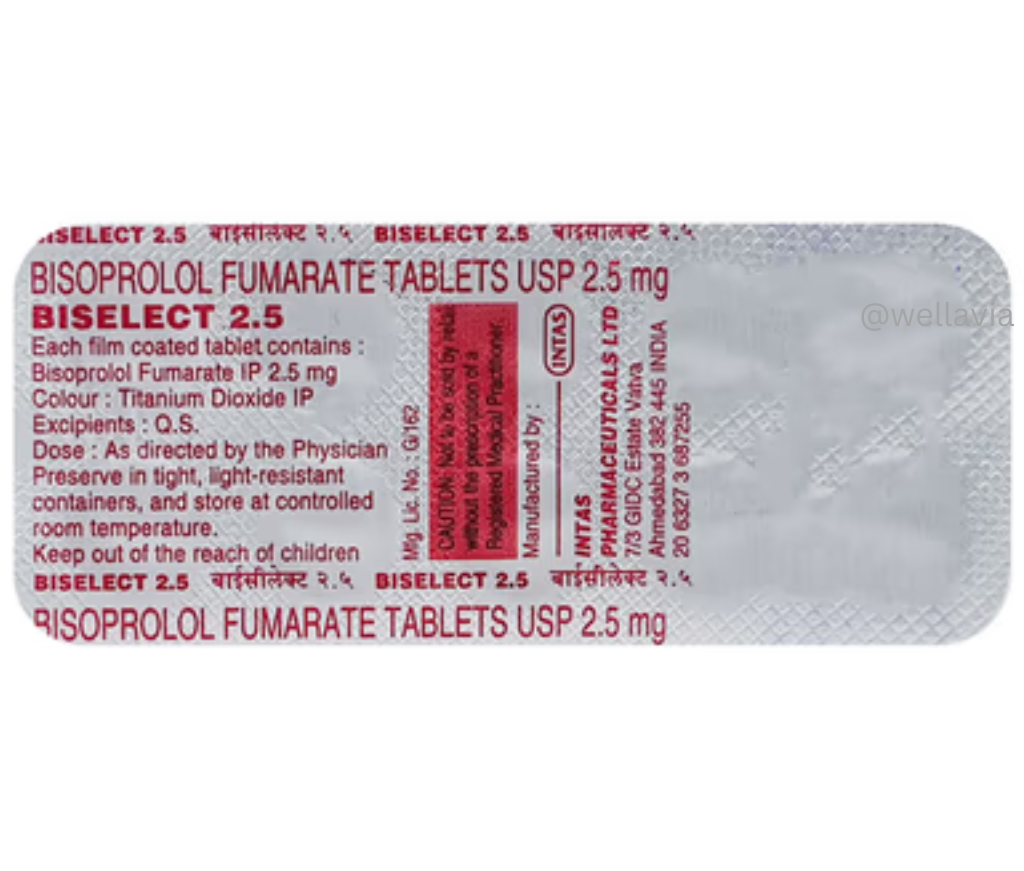
Biselect 2.5mg Tablet 10s
INTAS PHARMACEUTICALS LTD
Rs 35.04
16.01 % OFF Rs 41.72 -
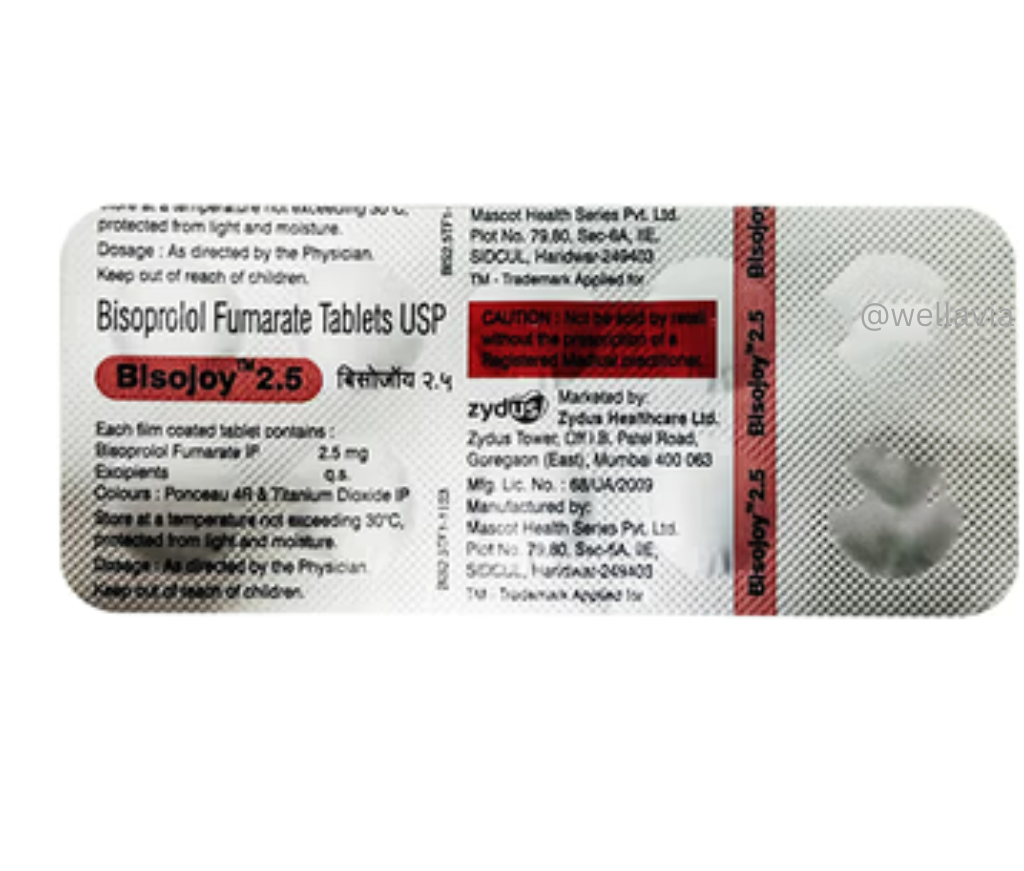
Bisojoy 2.5mg Tablet 10s
ZYDUS LIFESCIENCES LIMITED
Rs 43.31
16 % OFF Rs 51.56 -
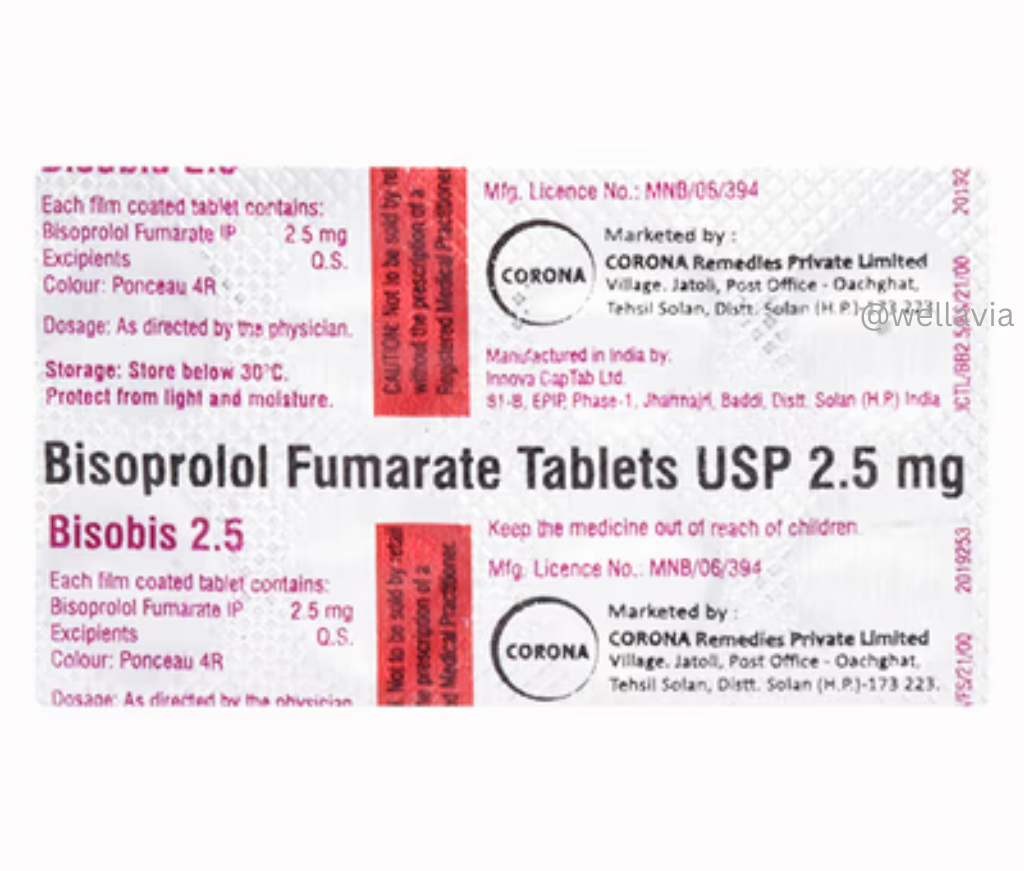
Bisobis 2.5mg Tablet 10s
CORONA REMEDIES PVT LTD
Rs 41.89
16 % OFF Rs 49.87 -
Bisolong 2.5mg Tablet 10s
MICRO LAB LTD
Rs 44.89
16 % OFF Rs 53.44 -
Bisofig 2.5mg Tablet 10s
CIPLA LTD
Rs 43.31
16 % OFF Rs 51.56 -
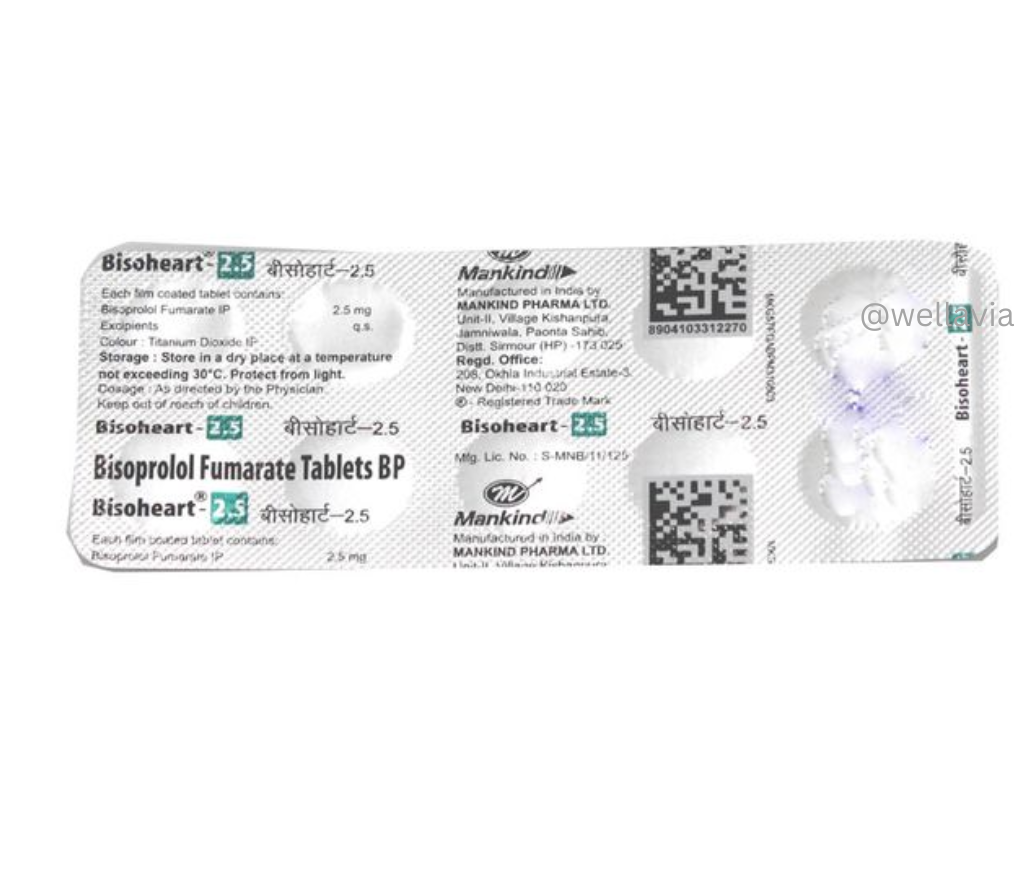
Bisoheart 2.5mg Tablet 10s
MANKIND PHARMA LTD
Rs 69.41
-
Bisopharm 2.5mg Tablet 10s
ERIS LIFESCIENCES LTD
Rs 54.52
15.99 % OFF Rs 64.90 -
Blocpro 2.5mg Tablet 10s
IPCA LABORATORIES LTD
Rs 55.40
16 % OFF Rs 65.95 -
Bisosafe 2.5mg Tablet 10s
ABBOTT HEALTHCARE PVT LTD
Rs 52.39
16 % OFF Rs 62.37
Uses / Indications: It's always important to talk to your doctor or pharmacist before starting Bisoziff 2.5 Tablet 10s, especially if you are taking other medications or have any health concerns.
Drug Interactions:
Other blood thinners (anticoagulants): Bisoziff can increase the risk of bleeding if taken with other medications that thin your blood, like warfarin or aspirin. Your doctor may need to adjust your dosage or monitor you closely.
NSAIDs (Non-Steroidal Anti-Inflammatory Drugs): Taking Bisoziff with NSAIDs like ibuprofen or naproxen can also increase your risk of stomach bleeding or ulcers.
Digoxin: Bisoziff may affect how your body processes digoxin, a medication used for heart conditions. Your doctor will need to monitor you carefully if you are taking both.
Antacids: Some antacids can reduce the effectiveness of Bisoziff. Take them at least two hours apart.
Food and Lifestyle Interactions:
Alcohol: Alcohol can increase the risk of stomach upset and bleeding when taken with Bisoziff. It's best to limit or avoid alcohol while taking this medication.
Grapefruit Juice: Grapefruit juice can interact with some medications, potentially affecting how your body processes Bisoziff. Avoid grapefruit juice while taking this medicine.
Medical Conditions and Warnings:
Kidney problems: If you have kidney problems, Bisoziff may not be suitable for you, or your dose may need to be adjusted. Tell your doctor about any kidney issues.
Liver problems: Similar to kidney problems, liver issues can affect how your body processes Bisoziff. Your doctor needs to know about any liver conditions.
Bleeding disorders: Bisoziff increases the risk of bleeding. If you have a bleeding disorder, you should not take this medication without consulting your doctor.
Pregnancy and Breastfeeding: Bisoziff should only be used during pregnancy or breastfeeding if the benefits clearly outweigh the risks. Discuss this with your doctor before taking it.
Allergies: If you have any allergies, especially to bisoprolol or similar medications, inform your doctor before taking Bisoziff. Allergic reactions can range from mild to severe.
This information is not exhaustive. Always consult your doctor or pharmacist for complete and personalized advice.
- Product composition:
- Bisoprolol Fumarate(2.5mg)
Drug Interactions:
Other blood thinners (anticoagulants): Bisoziff can increase the risk of bleeding if taken with other medications that thin your blood, like warfarin or aspirin. Your doctor may need to adjust your dosage or monitor you closely.
NSAIDs (Non-Steroidal Anti-Inflammatory Drugs): Taking Bisoziff with NSAIDs like ibuprofen or naproxen can also increase your risk of stomach bleeding or ulcers.
Digoxin: Bisoziff may affect how your body processes digoxin, a medication used for heart conditions. Your doctor will need to monitor you carefully if you are taking both.
Antacids: Some antacids can reduce the effectiveness of Bisoziff. Take them at least two hours apart.
Food and Lifestyle Interactions:
Alcohol: Alcohol can increase the risk of stomach upset and bleeding when taken with Bisoziff. It's best to limit or avoid alcohol while taking this medication.
Grapefruit Juice: Grapefruit juice can interact with some medications, potentially affecting how your body processes Bisoziff. Avoid grapefruit juice while taking this medicine.
Medical Conditions and Warnings:
Kidney problems: If you have kidney problems, Bisoziff may not be suitable for you, or your dose may need to be adjusted. Tell your doctor about any kidney issues.
Liver problems: Similar to kidney problems, liver issues can affect how your body processes Bisoziff. Your doctor needs to know about any liver conditions.
Bleeding disorders: Bisoziff increases the risk of bleeding. If you have a bleeding disorder, you should not take this medication without consulting your doctor.
Pregnancy and Breastfeeding: Bisoziff should only be used during pregnancy or breastfeeding if the benefits clearly outweigh the risks. Discuss this with your doctor before taking it.
Allergies: If you have any allergies, especially to bisoprolol or similar medications, inform your doctor before taking Bisoziff. Allergic reactions can range from mild to severe.
This information is not exhaustive. Always consult your doctor or pharmacist for complete and personalized advice.
- Pregnancy interaction:
- Bisoziff 2.5 Tablet 10s, containing bisoprolol, is a beta-blocker primarily used to treat high blood pressure and certain heart conditions. Its use during pregnancy is complex and requires careful consideration due to potential risks to both the mother and the developing fetus. Therefore, it should only be used under strict medical supervision.
Safety: Bisoprolol's use during pregnancy is generally avoided unless the potential benefits significantly outweigh the risks. It can cross the placenta and potentially affect fetal development, particularly impacting the baby's heart rate and blood pressure. There's a risk of fetal bradycardia (slow heart rate) and other complications.
Purpose: In rare cases, where the mother's condition necessitates the use of a beta-blocker, bisoprolol might be prescribed to manage severe hypertension or other life-threatening cardiac conditions that pose a greater risk to the mother and fetus if left untreated. The decision to use it will be based on a thorough risk-benefit assessment.
Medical Supervision: The use of Bisoziff 2.5 Tablet 10s during pregnancy is absolutely crucial. Regular monitoring of both the mother's and the fetus's health is essential throughout the pregnancy. This includes close monitoring of fetal heart rate and blood pressure, as well as adjustments to dosage or cessation of the medication as deemed necessary by the physician. Self-medicating with this drug during pregnancy is extremely dangerous.
Alternatives: Doctors will always explore alternative treatments to bisoprolol whenever possible during pregnancy, prioritizing safer options for the mother and the developing fetus.
- Expert advice:
- Expert Advice: Bisoziff 2.5 Tablet 10s
Take as prescribed: Strictly adhere to the dosage and frequency prescribed by your doctor. Do not adjust the dose or stop taking the medication without consulting your physician.
Timing of intake: Take the tablet with a full glass of water, preferably at the same time each day, as directed by your doctor. Consistency is key for optimal effectiveness.
Food and medication: Follow your doctor's instructions regarding food intake around the time you take Bisoziff. Some medications may be better absorbed on an empty stomach, while others may require food.
Hydration is crucial: Maintain adequate fluid intake throughout the day to prevent dehydration, a potential side effect of this medication.
Dietary considerations: Discuss any dietary restrictions or modifications necessary with your doctor or pharmacist. This may include changes related to calcium or vitamin D intake.
Regular monitoring: Attend all scheduled follow-up appointments with your doctor to monitor your progress and address any concerns. Regular blood tests may be required.
Potential side effects: Be aware of potential side effects, such as nausea, vomiting, constipation, or muscle aches. Report any significant or persistent side effects to your doctor immediately.
Medication interactions: Inform your doctor and pharmacist of all other medications, supplements, and herbal remedies you are currently taking to avoid potential drug interactions.
Pregnancy and breastfeeding: Do not take Bisoziff if you are pregnant, breastfeeding, or planning to become pregnant without first consulting your doctor.
Storage: Store the medication in a cool, dry place, away from direct sunlight and moisture, and out of reach of children.
Missed dose: If you miss a dose, take it as soon as you remember, unless it is almost time for your next dose. Do not double the dose to make up for a missed one.
Seek immediate medical attention: Contact your doctor or seek immediate medical attention if you experience any serious side effects, such as severe allergic reactions, chest pain, or irregular heartbeat.
Disclaimer: This information is for general knowledge and does not constitute medical advice. Always consult your doctor or pharmacist for personalized guidance regarding Bisoziff 2.5 Tablet 10s or any medication.
- Side Effects:
- Bisoziff 2.5 Tablet 10s, like all medications, can cause side effects, although not everyone experiences them. It's important to be aware of both common and serious possibilities.
Common Side Effects:
Headache
Dizziness
Nausea
Upset stomach
Constipation
Diarrhea
Fatigue
Serious Side Effects that require medical attention:
Severe allergic reactions (such as rash, hives, swelling of the face, lips, tongue, or throat, difficulty breathing)
Chest pain
Irregular heartbeat
Severe dizziness or fainting
Yellowing of the skin or eyes (jaundice)
Dark urine
Unusual bleeding or bruising
Severe or persistent stomach pain
Note: This is not an exhaustive list of all possible side effects. If you experience any other unusual symptoms, contact your doctor or pharmacist immediately.
- How to use:
- How To Use Bisoziff 2.5 Tablet 10s:
Take the tablet as prescribed by your doctor. Do not change the dose or stop taking it without consulting your doctor.
Take the tablet with food or milk. This helps to reduce stomach upset.
Swallow the tablet whole with a glass of water. Do not chew, crush, or break the tablet.
Take the tablet at the same time each day, to maintain consistent levels in your body. Your doctor will advise the best time for you.
If you miss a dose, take it as soon as you remember, unless it is almost time for your next dose. Do not take a double dose to make up for a missed one.
Store the tablets in a cool, dry place, away from direct sunlight and moisture. Keep them out of reach of children.
If you experience any side effects, consult your doctor or pharmacist immediately.
Do not share your medication with others. This medication has been prescribed specifically for you.
Always check the expiry date before taking the medication.
This information is for general guidance only. Always follow your doctor's or pharmacist's instructions.
- How it works:
- Bisoziff 2.5 Tablet helps to control high blood pressure and chest pain by relaxing blood vessels and improving blood flow.
Bisoprolol: This is a beta-blocker. It works by slowing down your heart rate and making your heart beat less forcefully. This reduces the amount of work your heart has to do and lowers your blood pressure. It also helps to prevent angina (chest pain) by reducing the heart's need for oxygen.
Hydrochlorothiazide: This is a diuretic, also known as a water pill. It helps your body get rid of excess salt and water through your urine. By reducing the amount of fluid in your blood vessels, it lowers your blood pressure.
Together, bisoprolol and hydrochlorothiazide work in a complementary way to effectively control high blood pressure and reduce the risk of heart problems. Bisoprolol reduces the heart's workload, while hydrochlorothiazide reduces blood volume, both contributing to lower blood pressure.
- Faq for medicine:
- What is Bisoziff 2.5 Tablet used for?
Bisoziff 2.5 Tablet is typically used to treat high blood pressure (hypertension). It helps lower your blood pressure to a healthier level, reducing your risk of heart attack, stroke, and kidney problems.
How should I take Bisoziff 2.5 Tablet?
Always follow your doctor's instructions exactly. This usually involves taking one tablet once a day, at the same time each day, with or without food. Do not change your dose or stop taking the medication without talking to your doctor first.
What are the common side effects of Bisoziff 2.5 Tablet?
Common side effects can include dizziness, lightheadedness, headache, and a dry cough. These side effects are usually mild and temporary. If you experience any side effects that bother you or don't go away, contact your doctor.
What should I do if I miss a dose of Bisoziff 2.5 Tablet?
If you miss a dose, take it as soon as you remember. However, if it's almost time for your next dose, skip the missed dose and take your next dose at the regular time. Do not take a double dose to make up for a missed one.
Are there any precautions I should take while using Bisoziff 2.5 Tablet?
Before starting Bisoziff 2.5 Tablet, tell your doctor about all your medical conditions, including any allergies and other medications you are taking. It's also important to inform your doctor if you have kidney problems or are pregnant or breastfeeding. Avoid alcohol while taking this medication, as it can increase the risk of side effects.
Can I drive or operate machinery while taking Bisoziff 2.5 Tablet?
Because Bisoziff 2.5 Tablet can cause dizziness, it's best to avoid driving or operating machinery until you know how the medication affects you.
- Medicine interaction:
- It's crucial to tell your doctor about all the medications, vitamins, supplements, and even herbal remedies you're taking before starting any new treatment, including Bisoziff 2.5 Tablet. This is because many substances can interact with medications, potentially reducing their effectiveness, increasing their side effects, or causing other unexpected problems. Bisoziff, containing bisoprolol, is a beta-blocker used to treat high blood pressure and other conditions. Its interactions are significant, so complete transparency with your healthcare provider is essential.
Here are some examples of drug classes or substances that may interact with Bisoziff:
Calcium channel blockers (like verapamil or diltiazem): Taking these together with Bisoziff can significantly lower your heart rate and blood pressure, potentially leading to dangerously low levels.
Other beta-blockers (like metoprolol or atenolol): Combining Bisoziff with another beta-blocker increases the risk of side effects such as low blood pressure, slow heart rate, and breathing problems.
Digoxin: Bisoziff may increase the levels of digoxin in your blood, potentially leading to toxicity.
Insulin or oral diabetes medications: Bisoziff can mask the symptoms of low blood sugar (hypoglycemia), making it harder to recognize and treat.
Nonsteroidal anti-inflammatory drugs (NSAIDs) like ibuprofen or naproxen: NSAIDs may reduce the effectiveness of Bisoziff in lowering blood pressure.
Alcohol: Combining alcohol with Bisoziff can increase the risk of low blood pressure and dizziness.
Certain antidepressants (like MAO inhibitors): These may interact negatively with Bisoziff, though the exact nature of the interaction needs to be discussed with a physician.
Sympathomimetics (like epinephrine or norepinephrine): These medications can counteract the effects of Bisoziff, potentially leading to a hypertensive crisis.
This is not an exhaustive list, and other interactions are possible. Always consult your doctor or pharmacist before taking any new medication while on Bisoziff. They can assess your individual circumstances and help you avoid potential problems.