
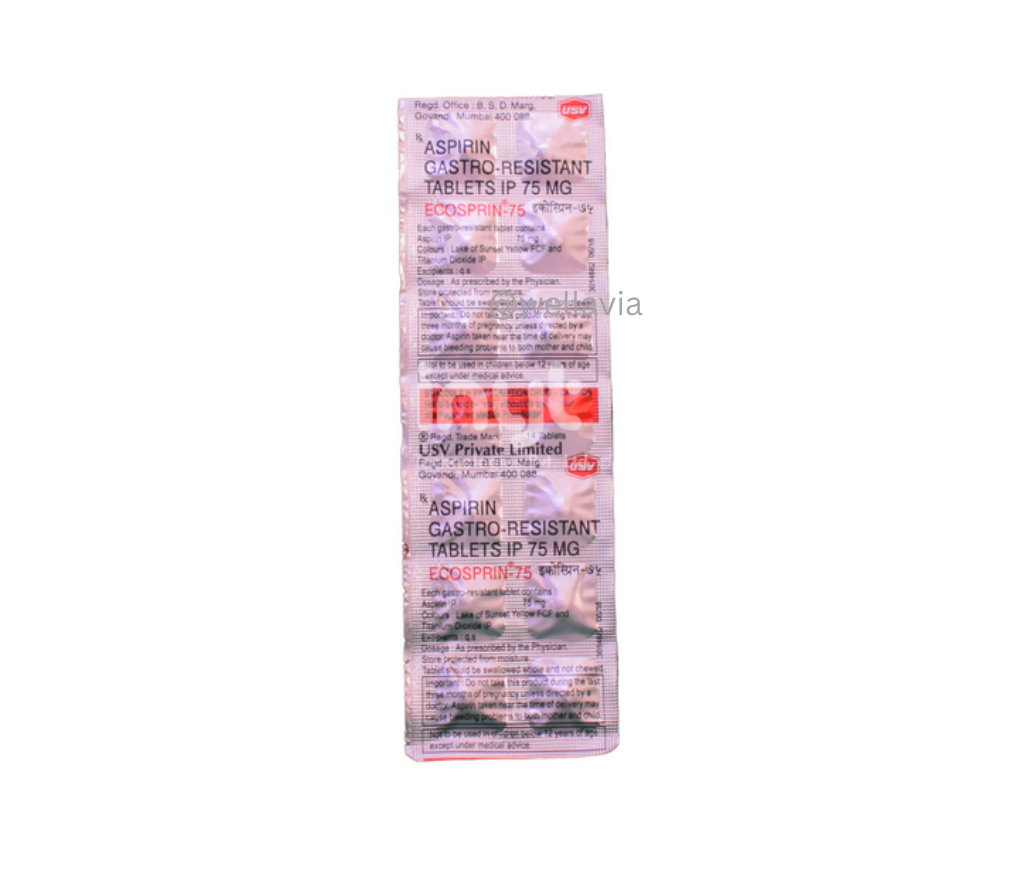
Ecosprin 75mg Tablet 14s
 Item requires a valid prescription
Manufactured By USV LTD
Composition Aspirin(75mg)
Rs 5.15
Includes all taxes
Package SIZE
( 1 Strip )

100% Authentic
Products

Free
Shipping*

Products
Return Policy
Available Substitutes
Uses / Indications: Before using Ecosprin 75mg Tablet, it is important to consult your doctor to ensure it is safe for you and to understand potential interactions and warnings.
Drug Interactions
- Blood thinners (anticoagulants): Taking Ecosprin with blood thinners can increase your risk of bleeding, so your doctor needs to monitor you carefully.
- Other NSAIDs (like ibuprofen or naproxen): Using these with Ecosprin may raise the chance of stomach problems and reduce Ecosprin’s heart-protective effects.
- Antidepressants: Certain antidepressants may interact and increase bleeding risk.
- Corticosteroids: These drugs can increase the risk of stomach ulcers when taken with Ecosprin.
- Diuretics (water pills) and blood pressure medicines: Ecosprin can affect how well these medicines work, so your doctor should know about all your medications.
- Diabetes and gout medicines: These may interact with Ecosprin, requiring medical supervision.
Food and Lifestyle Interactions
- Alcohol: Avoid drinking alcohol while taking Ecosprin because it can increase the risk of stomach bleeding.
- Food: Take Ecosprin with food or a full glass of water to reduce stomach upset.
- Surgery and dental procedures: Inform your doctor if you have surgery planned, even minor ones like dental work, since Ecosprin increases bleeding risk.
- Hydration: Drink enough fluids to help protect your kidneys during treatment.
Medical Conditions and Warnings
- Allergy to aspirin or NSAIDs: Do not take Ecosprin if you have had allergic reactions to these in the past.
- Stomach ulcers or bleeding: Ecosprin can worsen these conditions or cause new bleeding.
- Liver or kidney disease: These health problems may affect how Ecosprin works or increases side effects.
- Asthma: Ecosprin may worsen asthma symptoms in some people.
- High blood pressure: Use with caution and under medical supervision.
- Pregnancy and breastfeeding: Consult your doctor as Ecosprin is usually not recommended, especially in later stages.
- Bleeding disorders or recent stroke: Ecosprin may increase bleeding and should be used only under strict medical advice.
- Children under 16 years: Ecosprin is generally not recommended unless advised by a doctor.
If you notice unusual bleeding, bruising, severe stomach pain, ringing in ears, or allergic reactions like swelling or difficulty breathing, seek medical attention immediately and inform your healthcare provider.
- Product composition:
- Aspirin(75mg)
Drug Interactions
- Blood thinners (anticoagulants): Taking Ecosprin with blood thinners can increase your risk of bleeding, so your doctor needs to monitor you carefully.
- Other NSAIDs (like ibuprofen or naproxen): Using these with Ecosprin may raise the chance of stomach problems and reduce Ecosprin’s heart-protective effects.
- Antidepressants: Certain antidepressants may interact and increase bleeding risk.
- Corticosteroids: These drugs can increase the risk of stomach ulcers when taken with Ecosprin.
- Diuretics (water pills) and blood pressure medicines: Ecosprin can affect how well these medicines work, so your doctor should know about all your medications.
- Diabetes and gout medicines: These may interact with Ecosprin, requiring medical supervision.
Food and Lifestyle Interactions
- Alcohol: Avoid drinking alcohol while taking Ecosprin because it can increase the risk of stomach bleeding.
- Food: Take Ecosprin with food or a full glass of water to reduce stomach upset.
- Surgery and dental procedures: Inform your doctor if you have surgery planned, even minor ones like dental work, since Ecosprin increases bleeding risk.
- Hydration: Drink enough fluids to help protect your kidneys during treatment.
Medical Conditions and Warnings
- Allergy to aspirin or NSAIDs: Do not take Ecosprin if you have had allergic reactions to these in the past.
- Stomach ulcers or bleeding: Ecosprin can worsen these conditions or cause new bleeding.
- Liver or kidney disease: These health problems may affect how Ecosprin works or increases side effects.
- Asthma: Ecosprin may worsen asthma symptoms in some people.
- High blood pressure: Use with caution and under medical supervision.
- Pregnancy and breastfeeding: Consult your doctor as Ecosprin is usually not recommended, especially in later stages.
- Bleeding disorders or recent stroke: Ecosprin may increase bleeding and should be used only under strict medical advice.
- Children under 16 years: Ecosprin is generally not recommended unless advised by a doctor.
If you notice unusual bleeding, bruising, severe stomach pain, ringing in ears, or allergic reactions like swelling or difficulty breathing, seek medical attention immediately and inform your healthcare provider.
- Pregnancy interaction:
- Ecosprin 75mg Tablet, which contains low-dose aspirin, is sometimes prescribed during pregnancy under specific medical conditions. Its primary use in pregnancy is to reduce risks like preeclampsia and related complications by improving blood flow and preventing harmful clot formation.
- Purpose during pregnancy: Low-dose aspirin (like Ecosprin 75mg) is used mainly to prevent or manage preeclampsia—a serious condition characterized by high blood pressure and organ damage—and to reduce the risk of smaller babies or stillbirths related to poor placental blood flow.
- Safety profile: Low-dose aspirin is considered safe during pregnancy, especially when started after the first trimester (usually from 12 weeks) and continued until around 36 weeks. Studies show no increased risk of congenital anomalies or serious fetal harm with such use. However, taking aspirin in higher doses or late in pregnancy (especially after 30 weeks) is generally not recommended due to risks to the baby's circulation and potential bleeding complications.
- Dosage and timing: Typically, 75mg once daily is prescribed, taken in the evening, often from the late first trimester (around 12 weeks) until about 36 weeks gestation. This regimen aligns with guidelines for preventing preeclampsia in high-risk women.
- Medical supervision is essential: Aspirin can interact with other medications, including over-the-counter and herbal remedies, and must be taken only under careful supervision by a healthcare provider (obstetrician or midwife). They will evaluate the risks and benefits, monitor for possible side effects, and decide when to stop aspirin (usually before labor).
- Avoidance in last trimester: Ecosprin 75mg should be avoided in the last trimester unless specifically advised, as it might increase bleeding risk during delivery or affect fetal circulation.
- Do not self-medicate: Pregnant women should never start or stop aspirin without consulting a doctor, as improper use might increase risks for both mother and baby.
In summary, Ecosprin 75mg is a widely accepted low-dose aspirin therapy during pregnancy for preventing preeclampsia and related complications but must be used under strict medical guidance to ensure safety and effectiveness.
- Expert advice:
- - Take Ecosprin 75mg with food to reduce the risk of stomach upset and heartburn. Avoid taking it on an empty stomach to minimize gastrointestinal discomfort.
- Follow the exact dosage and duration recommended by your doctor; do not self-adjust the dose or stop taking it without medical advice.
- Avoid consuming alcohol while on Ecosprin, as it can significantly increase the risk of stomach bleeding.
- Inform your doctor if you have a history of bleeding disorders, stomach or intestinal ulcers, liver or kidney problems, asthma, or high blood pressure, as these conditions require careful monitoring or dose adjustments.
- Notify your healthcare provider about all medications and supplements you are taking because Ecosprin can interact with blood thinners, antidiabetics, NSAIDs, and other drugs affecting bleeding risk.
- If you are pregnant, planning pregnancy, or breastfeeding, consult your doctor before starting Ecosprin. It is generally avoided in late pregnancy and during breastfeeding unless expressly directed.
- Do not give Ecosprin to children or adolescents under 16 years unless prescribed by a doctor due to risk of serious conditions like Reye’s syndrome.
- Be vigilant for signs of unusual bleeding—such as bruising, nosebleeds, blood in stools or urine—and report them immediately to your healthcare provider.
- Inform your doctor if you have any planned surgeries or dental procedures, as Ecosprin may need to be stopped beforehand to reduce bleeding risk.
- Stay well-hydrated during treatment to support kidney health and reduce side effects.
- Store Ecosprin in a cool, dry place below 25°C and keep out of reach of children and pets.
- If you experience allergic reactions (rash, swelling, difficulty breathing) or severe side effects like persistent stomach pain, contact your doctor promptly.
- Avoid taking additional medications for pain or fever without consulting your doctor, as some may increase bleeding risk when combined with Ecosprin.
- Regular medical check-ups and blood tests may be needed to monitor for side effects and ensure safe, effective use of the medicine.
- Side Effects:
- Ecosprin 75mg Tablet, primarily used for preventing heart attacks, strokes, and angina, can cause several side effects that vary in severity. Here is a breakdown of the common side effects and those that require serious medical attention:
## Common Side Effects
- Indigestion: Feeling of discomfort or heartburn in the stomach.
- Nausea: Feeling sick to the stomach, which may lead to vomiting.
- Vomiting: Forcing stomach contents out of the body.
- Diarrhea: Frequent loose stools.
- Increased risk of bleeding: This can lead to bruises or nosebleeds more easily.
## Serious Side Effects that Require Medical Attention
- Active bleeding or clotting disorders: If you experience unusual bleeding that won't stop, seek medical help immediately.
- Stomach ulcers or bleeding in the stomach/intestine: If you notice black, tarry stools or vomit blood, contact a doctor.
- Severe allergic reactions: Symptoms like difficulty breathing, rash, or swelling of the face, lips, tongue, or throat require urgent attention.
- Liver or kidney problems: If you have pre-existing conditions, monitor your health closely while taking this medication.
- High blood pressure or asthma: These conditions may complicate the use of Ecosprin 75mg Tablet, so inform your doctor.
- How to use:
- - Take Ecosprin 75mg tablet exactly as prescribed by your doctor, usually once daily.
- Best time to take: Preferably take the tablet with or immediately after food to reduce stomach discomfort.
- Swallow the tablet whole with a full glass of water; do not crush, chew, or break it as it is enteric-coated.
- If you miss a dose, take it as soon as you remember. If it’s almost time for your next dose, skip the missed one—do not double the dose.
- Store the tablets in a closed container at room temperature, away from heat, moisture, and direct sunlight.
- Keep out of reach of children, and do not use expired medicine.
- Do not stop taking this medicine without consulting your doctor, especially if you are taking it for heart or stroke prevention.
- How it works:
- Ecosprin 75mg Tablet works mainly because it contains low-dose aspirin, which helps prevent harmful blood clots in your body.
- Aspirin (75mg): It blocks an enzyme called cyclooxygenase (COX), which your body uses to produce substances called thromboxanes. Thromboxanes normally make platelets (tiny blood cells) stick together and form clots.
- By stopping thromboxane production, aspirin prevents platelets from clumping, making your blood less likely to form dangerous clots.
- This action helps keep blood flowing smoothly through your vessels, lowering the risk of heart attacks, strokes, and chest pain (angina).
- Aspirin’s effect on platelets lasts for the life of the platelet (about 10 days), so it provides ongoing protection after each dose.
- Besides preventing clots, aspirin also reduces inflammation and can relieve some pain and fever by blocking other substances involved in these processes.
Together, these effects make Ecosprin 75mg an important medicine for people needing protection from heart and blood vessel problems by keeping the blood flowing and reducing clot risks.
- Faq for medicine:
- What is Ecosprin 75mg Tablet used for?
Ecosprin 75mg is mainly used to prevent and treat heart attacks, strokes, and chest pain caused by heart problems (angina). It helps by stopping blood clots from forming and improving blood flow, protecting your heart and blood vessels.
How should I take Ecosprin 75mg Tablet?
Take Ecosprin exactly as your doctor prescribes, usually once daily with or after food to reduce stomach upset. Do not stop taking it without consulting your doctor, as it is often needed for long-term heart protection.
What are the common side effects of Ecosprin 75mg?
Common side effects include heartburn, nausea, upset stomach, vomiting, and an increased tendency to bleed or bruise easily. Most side effects get better as your body adjusts, but let your doctor know if they continue or worsen.
What should I do if I miss a dose of Ecosprin 75mg?
If you miss a dose, take it as soon as you remember. If it’s almost time for your next dose, skip the missed one and continue your regular schedule. Do not double the dose to catch up.
Are there any important precautions I should take while using Ecosprin 75mg?
Do not use Ecosprin if you have a history of stomach ulcers, bleeding disorders, or allergy to aspirin or similar drugs. Inform your doctor about all other medicines you take as some can interact. Avoid alcohol, and tell your dentist or surgeon you are taking Ecosprin before any procedures.
Can Ecosprin 75mg be used for pain or fever?
Although primarily for heart-related conditions in low doses, Ecosprin can also be used for mild to moderate pain, inflammation, and fever at appropriate doses, but always follow your doctor’s guidance.
- Medicine interaction:
- When taking Ecosprin 75mg (aspirin), it is important to inform your doctor about all medications, supplements, and foods you use. This helps prevent harmful interactions that can affect how the medicine works or increase side effects.
Here are potential medicine and food interactions with Ecosprin 75mg:
- Other blood thinners (e.g., warfarin, clopidogrel): Can increase the risk of bleeding because they all prevent blood clotting.
- Nonsteroidal anti-inflammatory drugs (NSAIDs) (e.g., ibuprofen, naproxen): May reduce aspirin’s effectiveness in protecting the heart and increase stomach irritation or bleeding.
- Corticosteroids (e.g., prednisone): Can increase the risk of gastrointestinal bleeding when taken with aspirin.
- Diuretics (water pills): Aspirin may reduce their effectiveness in lowering blood pressure.
- Gout medications (e.g., probenecid, allopurinol): Aspirin can interfere with how these drugs work, potentially worsening gout symptoms.
- Diabetes medicines: Aspirin may affect blood sugar control, so monitoring is needed.
- Methotrexate and other cancer or rheumatoid arthritis drugs: Aspirin can increase their toxicity or side effects.
- Alcohol: Drinking alcohol while taking aspirin raises the risk of stomach bleeding and irritation.
- Herbs and supplements with blood-thinning effects (e.g., garlic, ginger, ginkgo biloba): These can increase bleeding risk when combined with aspirin.
- Taking aspirin on an empty stomach: May cause stomach upset or irritation; it’s best to take it with food.
- Caffeine: Can increase chances of indigestion when taken with aspirin.
Always check with your healthcare provider before starting or stopping any medication or supplement while on Ecosprin 75mg to ensure safe and effective use.