
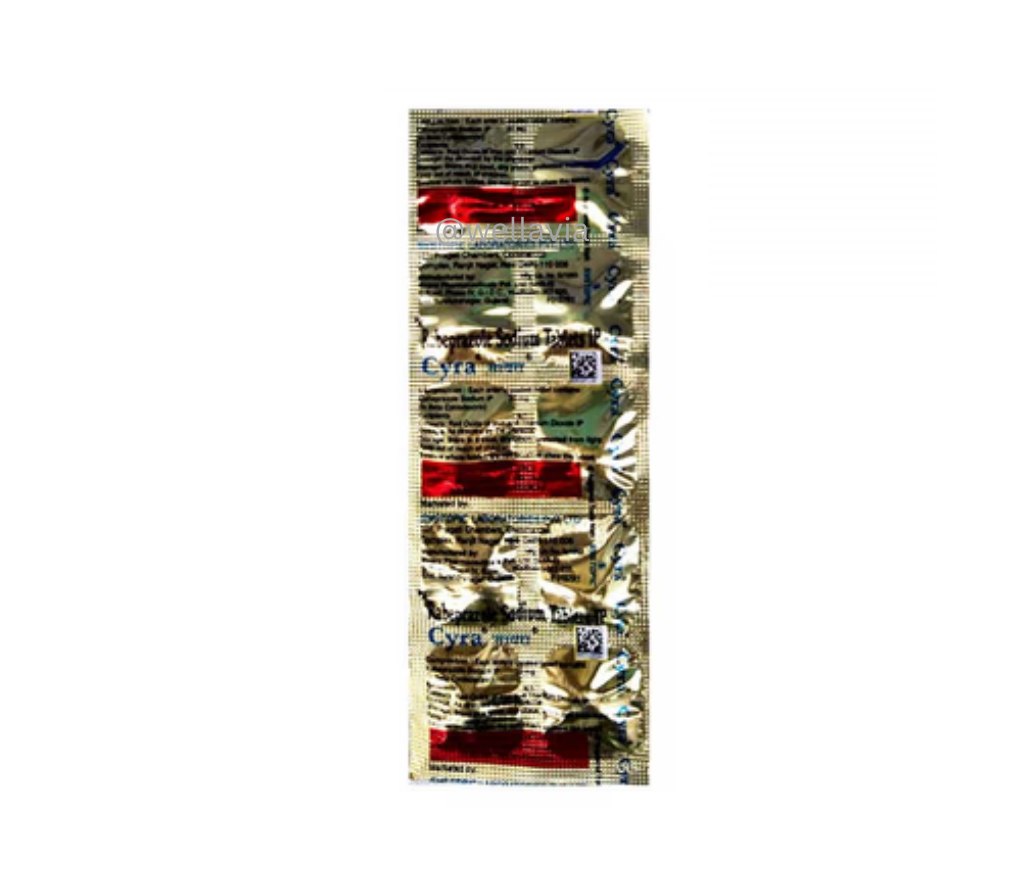
Cyra D 20mg Capsule
 Item requires a valid prescription
Manufactured By SYSTOPIC LABORATORIES PVT LTD
Composition Domperidone#10mg,Domperidone#20mg,Rabeprazole Sodium#20mg
Rs 47.81
Includes all taxes
Package SIZE
( 1 Strip )

100% Authentic
Products

Free
Shipping*

Products
Return Policy
Available Substitutes
-
Rabalkem DSR 10/20mg Capsule 10s
ALKEM LABORATORIES LTD
Rs 93.80
31 % OFF Rs 135.94
Uses / Indications: Before using Cyra D 20mg Capsule, it is important to consult your doctor and inform them about all medications and health conditions you have to ensure safe and effective treatment.
Drug Interactions
- Blood thinners: Cyra D may interact with warfarin, increasing bleeding risk. Your doctor will monitor this.
- Antifungal and antiviral medicines: Drugs like ketoconazole, atazanavir, and nelfinavir can affect how Cyra D works or increase side effects.
- Iron supplements and antibiotics: Medicines such as iron or ampicillin may reduce Cyra D’s effectiveness, so timing doses is important.
- Methotrexate: Combining with this medicine requires close doctor supervision due to possible increased side effects.
- Other medications: Always inform your doctor about all drugs or supplements you are taking to avoid harmful interactions.
Food and Lifestyle Interactions
- Take on an empty stomach: For best results, take Cyra D before meals.
- Avoid alcohol: Drinking alcohol while on Cyra D can increase your risk of stomach irritation or ulcers.
- Limit caffeine and nicotine: These may reduce how well the medicine works.
- Certain foods: Avoid very spicy foods or hot beverages as they may worsen your symptoms.
- Driving and machinery: Cyra D may cause dizziness or sleepiness; avoid driving or operating machinery until you know how it affects you.
Medical Conditions and Warnings
- Allergies: Do not take Cyra D if you are allergic to rabeprazole, domperidone, or any capsule ingredients.
- Stomach tumors or bleeding: Cyra D can hide symptoms of serious stomach problems; report severe stomach pain or black stools immediately.
- Liver and kidney disease: Inform your doctor if you have liver or kidney issues as dose adjustments may be needed.
- Low magnesium or vitamin B12: Long-term use can lower magnesium and vitamin B12 levels, requiring regular blood tests and possible supplements.
- Bone health: If you have osteoporosis or a history of fractures, your doctor needs to know since Cyra D may affect bone strength.
- Pregnancy and breastfeeding: Avoid use unless advised by your healthcare provider.
- Certain infections: Avoid if you have C. difficile colitis or other serious gut infections, as it may worsen these conditions.
Following these guidelines and keeping your doctor informed will help you use Cyra D 20mg Capsule safely and effectively.
- Product composition:
- Domperidone#10mg,Domperidone#20mg,Rabeprazole Sodium#20mg
Drug Interactions
- Blood thinners: Cyra D may interact with warfarin, increasing bleeding risk. Your doctor will monitor this.
- Antifungal and antiviral medicines: Drugs like ketoconazole, atazanavir, and nelfinavir can affect how Cyra D works or increase side effects.
- Iron supplements and antibiotics: Medicines such as iron or ampicillin may reduce Cyra D’s effectiveness, so timing doses is important.
- Methotrexate: Combining with this medicine requires close doctor supervision due to possible increased side effects.
- Other medications: Always inform your doctor about all drugs or supplements you are taking to avoid harmful interactions.
Food and Lifestyle Interactions
- Take on an empty stomach: For best results, take Cyra D before meals.
- Avoid alcohol: Drinking alcohol while on Cyra D can increase your risk of stomach irritation or ulcers.
- Limit caffeine and nicotine: These may reduce how well the medicine works.
- Certain foods: Avoid very spicy foods or hot beverages as they may worsen your symptoms.
- Driving and machinery: Cyra D may cause dizziness or sleepiness; avoid driving or operating machinery until you know how it affects you.
Medical Conditions and Warnings
- Allergies: Do not take Cyra D if you are allergic to rabeprazole, domperidone, or any capsule ingredients.
- Stomach tumors or bleeding: Cyra D can hide symptoms of serious stomach problems; report severe stomach pain or black stools immediately.
- Liver and kidney disease: Inform your doctor if you have liver or kidney issues as dose adjustments may be needed.
- Low magnesium or vitamin B12: Long-term use can lower magnesium and vitamin B12 levels, requiring regular blood tests and possible supplements.
- Bone health: If you have osteoporosis or a history of fractures, your doctor needs to know since Cyra D may affect bone strength.
- Pregnancy and breastfeeding: Avoid use unless advised by your healthcare provider.
- Certain infections: Avoid if you have C. difficile colitis or other serious gut infections, as it may worsen these conditions.
Following these guidelines and keeping your doctor informed will help you use Cyra D 20mg Capsule safely and effectively.
- Pregnancy interaction:
- Cyra D 20mg Capsule, a combination medication primarily used to treat acid-related stomach issues such as acid reflux and gastritis, requires careful consideration during pregnancy due to limited safety data and potential risks.
- Purpose during pregnancy: It is often prescribed to manage symptoms like burping, acidity, and indigestion, which are common in pregnancy due to hormonal and physical changes affecting the stomach.
- Safety concerns:
- The capsule contains rabeprazole (a proton pump inhibitor) and domperidone (a prokinetic agent).
- Rabeprazole is classified as pregnancy category B, meaning animal studies have shown no harm but there is limited human data; short-term use in the second trimester is considered relatively safer.
- Domperidone is pregnancy category C, indicating insufficient safety data and potential risk; it is generally advised to avoid during pregnancy.
- Use recommendations:
- Doctors sometimes prescribe only rabeprazole or recommend lifestyle changes instead of the combination to minimize risk.
- If prescribed, it is often restricted to the second trimester when fetal organ development is mostly complete.
- Importance of medical supervision:
- Always consult a healthcare provider before using Cyra D during pregnancy to weigh benefits versus risks.
- Self-medication based on internet information can be misleading; only a doctor can tailor treatment based on individual condition and gestation stage.
- Regular monitoring and adjustments may be needed to ensure both maternal and fetal safety.
- Alternatives and precautions:
- Dietary modifications such as eating small, non-spicy meals and avoiding foods that trigger acidity are recommended.
- If medication is needed, sometimes safer alternatives like omeprazole (with more documented safety) or separate medications instead of combination capsules might be chosen.
- Report any side effects immediately and do not discontinue prescribed medicine without medical advice.
In summary, Cyra D 20mg Capsule should be used during pregnancy only under strict medical supervision, favoring the known safer component and minimizing or avoiding domperidone, particularly during the first trimester. The goal is to effectively manage symptoms while ensuring fetal safety.
- Expert advice:
- - Take Cyra D 20mg Capsule strictly as prescribed by your doctor, adhering to the recommended dosage and duration to ensure effective treatment of acid-related conditions such as GERD, peptic ulcers, and Zollinger-Ellison syndrome.
- Consume the capsule on an empty stomach, ideally at least 30 minutes before meals, to maximize absorption and therapeutic effect. If necessary, it may be taken after meals only upon doctor’s advice.
- Swallow the capsule whole with water; do not crush or chew it.
- Avoid eating immediately before bedtime; maintain a gap of at least 3 hours between your last meal and going to bed to reduce acid reflux.
- Limit or avoid spicy, oily, and acidic foods as they may worsen symptoms.
- Refrain from smoking and alcohol consumption during treatment, as both can aggravate stomach irritation and reduce medication effectiveness.
- Inform your doctor about any other medications you are taking and any pre-existing health conditions, especially neurological disorders like Parkinson’s disease or conditions affecting the stomach.
- Report promptly any side effects such as headache, nausea, vomiting, abdominal pain, dizziness, or diarrhea.
- If you miss a dose, take it as soon as you remember unless it is close to the time for your next dose; do not double the dose to catch up.
- Store the medication at room temperature (10-30°C) in a dry place, away from direct heat or sunlight.
- Consult your healthcare provider before using Cyra D if you are pregnant, planning to become pregnant, or breastfeeding.
- Avoid self-adjusting doses or stopping the medication without medical advice, even if symptoms improve, to prevent recurrence.
- Engage in regular mild exercise and maintain a healthy lifestyle to support digestive health during treatment.
- Side Effects:
- Cyra D 20mg Capsule may cause some side effects during treatment. Most are mild, but some may need medical attention.
Common Side Effects
- Diarrhea
- Stomach pain
- Dryness in the mouth
- Headache
- Dizziness
- Flatulence (gas)
- Weakness
- Nausea and vomiting
- Sore throat and cough
- Flu-like symptoms
- Nasal congestion
- Sleepiness or dizziness (may affect alertness)
Serious Side Effects that require medical attention
- Persistent or severe diarrhea or stomach pain
- Significant dizziness or fainting
- Black or dark stools (may indicate bleeding)
- Skin lesions, especially on sun-exposed areas
- Signs of low vitamin B12 (such as numbness, weakness) after long-term use
- Symptoms of low magnesium (confusion, muscle spasms, irregular heartbeat) with prolonged use over three months
- Unusual symptoms like fundic gland polyps or back pain
- Allergic reactions or swelling (not commonly described but important to report)
If you experience any serious or unusual symptoms, contact your healthcare provider promptly. Also, avoid alcohol and activities needing full alertness until you know how the medicine affects you. Inform your doctor if you have liver or kidney problems, are pregnant, breastfeeding, or planning pregnancy before starting this medication. Always follow your doctor’s dosage instructions strictly.
- How to use:
- - Take Cyra D 20mg Capsule at least 30 minutes before meals, preferably in the morning for best effectiveness.
- Swallow the capsule whole with a glass of water; do not crush or chew it.
- If you miss a dose, take it as soon as you remember unless it is almost time for your next dose. Do not take a double dose to make up for the missed one.
- Store the capsules in a cool, dry place away from direct sunlight and moisture. Keep out of reach of children.
- Follow your doctor’s instructions on the dosage and duration strictly; do not stop taking it early even if symptoms improve to avoid recurrence.
- Avoid spicy and oily foods, smoking, and alcohol while taking this medicine to enhance its effectiveness.
- Eat at least 3 hours before bedtime and avoid eating right at bedtime to help manage your symptoms better.
- If you experience any side effects or feel unwell, contact your doctor promptly.
- Do not drive or operate machinery until you know how the medicine affects you, as it may cause dizziness or sleepiness.
- Inform your doctor about any ongoing medications, pregnancy, or medical conditions before starting Cyra D.
- How it works:
- Cyra D 20mg Capsule works by combining two active ingredients that help reduce stomach acid and improve the movement of food through the digestive system, relieving symptoms like heartburn and indigestion.
- Rabeprazole: This is a proton pump inhibitor. It works by blocking the acid-producing pumps in the stomach's lining, which lowers the amount of stomach acid made. With less acid, symptoms such as heartburn, irritation, and ulcers are eased, and the stomach has a chance to heal.
- Domperidone: This is a prokinetic agent. It helps speed up the movement of food through the stomach and intestines, which reduces feelings of nausea, bloating, and discomfort after eating. It also helps prevent acid from coming back up into the food pipe (esophagus), reducing reflux symptoms.
Together, rabeprazole reduces acid production while domperidone helps food move efficiently and prevents acid reflux, working in harmony to relieve discomfort and promote healing in the digestive tract. For best results, the capsule is usually taken before meals as directed by a doctor.
- Faq for medicine:
- What is Cyra D 20mg Capsule used for?
Cyra D 20mg Capsule is used to treat gastroesophageal reflux disease (GERD), acid reflux, peptic ulcers, and related stomach conditions by relieving symptoms like heartburn, stomach pain, indigestion, and nausea.
How should I take Cyra D 20mg Capsule?
Take Cyra D Capsule on an empty stomach, at least 30 minutes before meals, as food can affect its absorption. Follow your doctor's exact dosage instructions and complete the full course even if you feel better.
What are the common side effects of Cyra D 20mg Capsule?
Common side effects may include headache, nausea, vomiting, abdominal pain, gas, dizziness, weakness, and diarrhea. Contact your doctor if you experience severe or persistent symptoms.
What should I do if I miss a dose of Cyra D 20mg Capsule?
If you miss a dose, take it as soon as you remember. If it is almost time for your next dose, skip the missed one and continue your regular schedule. Do not double the dose to make up for the missed one.
Are there any important precautions while taking Cyra D 20mg Capsule?
Inform your doctor about any other medical conditions or medications you use before starting Cyra D. Avoid alcohol, spicy and oily foods while on this medicine, and avoid eating right before bedtime. Also, consult your doctor if you are pregnant, planning to conceive, or breastfeeding.
How does Cyra D 20mg Capsule work?
Cyra D contains rabeprazole, which reduces stomach acid production, and domperidone, which helps the stomach empty food faster and reduces nausea and vomiting, providing relief from acid reflux and indigestion.
- Medicine interaction:
- It is very important to inform your doctor about all the medications, supplements, and herbal products you are currently taking before starting Cyra D 20mg Capsule. This helps your doctor prevent potential harmful interactions and adjust your treatment if needed.
Here are some potential medicine and food interactions with Cyra D 20mg Capsule, which contains rabeprazole (a proton pump inhibitor) and domperidone (a dopamine antagonist):
- Antiviral drugs (e.g., rilpivirine, atazanavir): Taking these together with Cyra D may affect how the medicines work or increase side effects, so caution is required.
- Antifungal medications (e.g., ketoconazole, itraconazole): These can interact with Cyra D, potentially causing increased side effects or reduced effectiveness.
- Blood thinners (e.g., warfarin): Cyra D can increase the risk of bleeding when combined with these medicines.
- Heart medications (e.g., digoxin): Using Cyra D with digoxin may increase digoxin levels, leading to toxicity.
- Anti-epileptic drugs (e.g., phenytoin) and certain brain medications (e.g., diazepam): These can interact with Cyra D components, possibly altering their effects.
- Antibiotics (e.g., clarithromycin): May have interactions when taken with Cyra D, requiring dosage adjustments or monitoring.
- Immunosuppressants (e.g., tacrolimus): These may also interact with Cyra D, affecting drug levels and immune response.
- Alcohol: Consuming alcohol while on Cyra D may increase the risk of stomach ulcers, bleeding, and worsen sleepiness or dizziness caused by the medication.
- Food: There are no known direct negative food interactions with Cyra D, but it's advised to take the medicine before food or on an empty stomach to ensure proper absorption.
Alert your doctor if you have pre-existing conditions like kidney or liver disease, asthma, or gastrointestinal issues, as these can affect how you should use Cyra D safely.