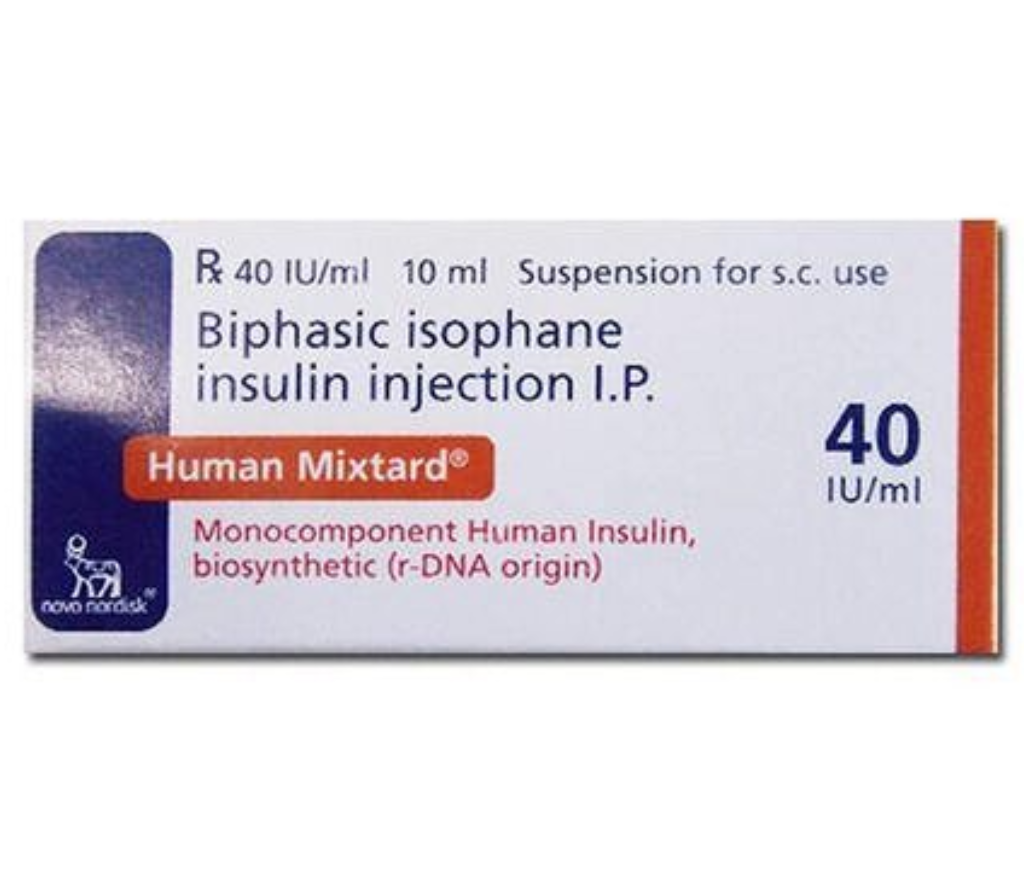

Huminsulin 30/70 40iu/ml Injection 10ml
 Item requires a valid prescription
Manufactured By GENERAL
Composition Insulin Isophane(70@iu),Soluble Insulin(30@iu)
Rs 174.00
Includes all taxes
Package SIZE
( 1 Pcs )

100% Authentic
Products

Free
Shipping*

Products
Return Policy
Available Substitutes
-
Rs 169.17
14 % OFF Rs 196.71 -
Rs 181.39
-
Rs 181.09
Uses / Indications: It's important to talk to your doctor or pharmacist before starting Humulin 30/70, or if you have any questions or concerns about this medication or its interactions.
Drug Interactions:
Other Diabetes Medications: Taking Humulin 30/70 with other diabetes medications (like pills or other insulins) can significantly lower your blood sugar. Your doctor needs to carefully adjust your doses to prevent dangerously low blood sugar.
Beta-blockers: These medications can mask the symptoms of low blood sugar, making it harder to recognize. Your doctor may need to monitor your blood sugar more closely.
Steroids (like Prednisone): Steroids can raise your blood sugar levels, requiring a possible adjustment in your Humulin 30/70 dose.
Certain MAO Inhibitors: These antidepressants can interact with insulin and may affect blood sugar control. Your doctor will need to consider this interaction.
Food and Lifestyle Interactions:
Alcohol: Alcohol can affect your blood sugar levels, sometimes causing both highs and lows. Discuss safe alcohol consumption with your doctor.
Exercise: Exercise lowers your blood sugar. You may need to adjust your food intake or insulin dose before and after exercising to avoid low blood sugar.
Diet: A consistent and healthy diet is crucial for managing blood sugar. Significant changes to your diet may require adjustments to your insulin dose.
Smoking: Smoking can affect blood sugar control and increase your risk of cardiovascular complications. Quitting smoking is highly recommended.
Medical Conditions and Warnings:
Low Blood Sugar (Hypoglycemia): This is a common side effect of insulin. Symptoms include sweating, shaking, dizziness, confusion, and hunger. Learn how to recognize and treat low blood sugar. Always carry a fast-acting sugar source.
High Blood Sugar (Hyperglycemia): This can occur if you don't take enough insulin, eat too much, or are sick. Symptoms include increased thirst, frequent urination, and blurred vision. Seek medical attention if you experience these symptoms.
Kidney or Liver Problems: These conditions can affect how your body processes insulin. Your doctor may need to adjust your dose.
Allergic Reactions: While rare, allergic reactions to insulin are possible. Seek immediate medical attention if you experience symptoms like hives, swelling, or difficulty breathing.
Pregnancy and Breastfeeding: Insulin needs may change during pregnancy and breastfeeding. Close monitoring by your doctor is necessary.
Remember, this is not an exhaustive list. Always consult your doctor or pharmacist for personalized advice and to discuss any concerns you may have.
- Product composition:
- Insulin Isophane(70@iu),Soluble Insulin(30@iu)
Drug Interactions:
Other Diabetes Medications: Taking Humulin 30/70 with other diabetes medications (like pills or other insulins) can significantly lower your blood sugar. Your doctor needs to carefully adjust your doses to prevent dangerously low blood sugar.
Beta-blockers: These medications can mask the symptoms of low blood sugar, making it harder to recognize. Your doctor may need to monitor your blood sugar more closely.
Steroids (like Prednisone): Steroids can raise your blood sugar levels, requiring a possible adjustment in your Humulin 30/70 dose.
Certain MAO Inhibitors: These antidepressants can interact with insulin and may affect blood sugar control. Your doctor will need to consider this interaction.
Food and Lifestyle Interactions:
Alcohol: Alcohol can affect your blood sugar levels, sometimes causing both highs and lows. Discuss safe alcohol consumption with your doctor.
Exercise: Exercise lowers your blood sugar. You may need to adjust your food intake or insulin dose before and after exercising to avoid low blood sugar.
Diet: A consistent and healthy diet is crucial for managing blood sugar. Significant changes to your diet may require adjustments to your insulin dose.
Smoking: Smoking can affect blood sugar control and increase your risk of cardiovascular complications. Quitting smoking is highly recommended.
Medical Conditions and Warnings:
Low Blood Sugar (Hypoglycemia): This is a common side effect of insulin. Symptoms include sweating, shaking, dizziness, confusion, and hunger. Learn how to recognize and treat low blood sugar. Always carry a fast-acting sugar source.
High Blood Sugar (Hyperglycemia): This can occur if you don't take enough insulin, eat too much, or are sick. Symptoms include increased thirst, frequent urination, and blurred vision. Seek medical attention if you experience these symptoms.
Kidney or Liver Problems: These conditions can affect how your body processes insulin. Your doctor may need to adjust your dose.
Allergic Reactions: While rare, allergic reactions to insulin are possible. Seek immediate medical attention if you experience symptoms like hives, swelling, or difficulty breathing.
Pregnancy and Breastfeeding: Insulin needs may change during pregnancy and breastfeeding. Close monitoring by your doctor is necessary.
Remember, this is not an exhaustive list. Always consult your doctor or pharmacist for personalized advice and to discuss any concerns you may have.
- Pregnancy interaction:
- Humulin 30/70 is a premixed insulin used to manage blood sugar levels in people with diabetes. Its use during pregnancy requires careful consideration and close medical supervision due to the physiological changes occurring during this period.
Purpose: Humulin 30/70, like other insulins, is used to control high blood sugar (hyperglycemia) in pregnant women with diabetes (gestational or pre-existing). Controlling blood sugar is crucial for both the mother's and the baby's health.
Safety: Insulin itself is generally considered safe during pregnancy. However, the dosage needs to be carefully adjusted throughout the pregnancy as insulin requirements fluctuate significantly due to hormonal changes and fetal growth. The safety profile is contingent upon careful monitoring and appropriate dosage adjustments by a healthcare professional.
Medical Supervision: This is absolutely essential. A doctor or certified diabetes educator must monitor blood sugar levels frequently and adjust the insulin dose as needed throughout the pregnancy. Failure to do so can lead to complications for both mother and baby, including birth defects, preeclampsia, and macrosomia (large baby).
Dosage Adjustments: Insulin needs typically increase during pregnancy, often requiring multiple adjustments as the pregnancy progresses. The specific dosage of Humulin 30/70 will be determined individually based on blood glucose monitoring results and the pregnant person's overall health.
Monitoring: Regular blood glucose monitoring, along with prenatal checkups, is critical to ensure the effectiveness of the treatment and to detect and manage any potential complications.
In summary, while Humulin 30/70 can effectively manage blood sugar during pregnancy, its use necessitates close medical supervision, frequent blood glucose monitoring, and individualized dosage adjustments to ensure the health of both mother and baby.
- Expert advice:
- Expert Advice: Humulin 30/70 40iu/ml Injection
Dosage and Administration: Always follow your doctor's prescribed dosage and injection schedule precisely. Never adjust the dose yourself. Learn proper injection technique from your healthcare provider or a trained professional. Rotate injection sites to prevent lipohypertrophy (fat build-up under the skin).
Storage: Store unopened vials in the refrigerator (2°C to 8°C). Once opened, store at room temperature (below 30°C) and discard after 28 days. Do not freeze. Protect from light.
Blood Glucose Monitoring: Regularly monitor your blood glucose levels as instructed by your doctor. This is crucial for managing your diabetes effectively and adjusting your insulin dose as needed.
Meal Timing: Coordinate your insulin injections with your meals, as directed by your doctor. The timing is critical for optimal blood sugar control. Consistency is key.
Exercise and Physical Activity: Regular exercise is vital for managing diabetes. However, be aware that exercise can affect your blood glucose levels. Consult your doctor on how to adjust your insulin dose or food intake before, during, and after exercise.
Diet and Nutrition: Maintain a healthy, balanced diet low in saturated fats, trans fats, and added sugars. Work with a registered dietitian to create a meal plan that supports your diabetes management.
Symptoms of Hypoglycemia (Low Blood Sugar): Be aware of the symptoms of hypoglycemia, such as sweating, shakiness, dizziness, confusion, and rapid heartbeat. Carry a quick-acting source of glucose (e.g., glucose tablets) to treat low blood sugar episodes. Inform your doctor about any frequent or severe hypoglycemic events.
Symptoms of Hyperglycemia (High Blood Sugar): Know the symptoms of hyperglycemia, such as increased thirst, frequent urination, blurred vision, and fatigue. If you experience these symptoms, test your blood sugar and contact your doctor.
Medication Interactions: Inform your doctor about all medications, supplements, and herbal remedies you are taking. Some medications can interact with insulin and affect its effectiveness.
Illness and Infection: If you are ill or have an infection, your insulin needs may change. Monitor your blood glucose levels closely and consult your doctor for guidance on adjusting your insulin dose.
Travel: Plan ahead when traveling. Ensure you have enough insulin supplies, syringes, and blood glucose monitoring equipment. Consider the time zone changes and their potential impact on your insulin schedule.
Regular Check-ups: Attend all scheduled appointments with your doctor and other healthcare professionals involved in your diabetes care. Regular monitoring is essential for long-term health management.
Never share needles or syringes: This can transmit infections.
This information is for general guidance only and does not replace professional medical advice. Always consult your doctor or healthcare provider for personalized recommendations and treatment plans.
- Side Effects:
- Humulin 30/70 is generally well-tolerated, but like all medications, it can cause side effects.
Common Side Effects:
Injection site reactions: These are very common and usually mild. They may include redness, swelling, itching, pain, or bruising at the injection site. These usually resolve quickly.
Hypoglycemia (low blood sugar): This can cause symptoms like shakiness, sweating, dizziness, hunger, confusion, fast heartbeat, and weakness. This is more likely if you take too much insulin or don't eat enough.
Hyperglycemia (high blood sugar): This can cause symptoms like increased thirst, frequent urination, blurred vision, and fatigue. This is more likely if you take too little insulin or eat too much.
Weight gain: Some people experience weight gain while using insulin.
Injection site lipohypertrophy (build-up of fat): This can occur with repeated injections in the same spot.
Serious Side Effects that require medical attention:
Severe hypoglycemia: This can lead to unconsciousness, seizures, or even coma. Seek immediate medical help if you experience severe low blood sugar symptoms.
Severe allergic reactions: These are rare but can be life-threatening. Symptoms may include hives, swelling of the face, lips, or tongue, difficulty breathing, and a rapid heartbeat. Seek immediate medical attention if you experience any of these.
Diabetic ketoacidosis (DKA): This is a serious complication of diabetes that can occur if your blood sugar is very high. Symptoms include nausea, vomiting, stomach pain, shortness of breath, and fruity-smelling breath. Seek immediate medical attention.
Hypokalemia (low potassium): Insulin can sometimes cause low potassium levels in the blood. Symptoms can include muscle weakness, fatigue, and irregular heartbeat. Seek medical attention if you experience these.
Note: This is not an exhaustive list of all possible side effects. If you experience any other unusual or concerning symptoms, talk to your doctor or pharmacist.
- How to use:
- How To Use Humulin 30/70 40iu/ml Injection:
Wash your hands: Thoroughly wash your hands with soap and water before handling the injection.
Prepare your injection site: Choose an injection site (abdomen, thigh, or upper arm). Clean the area with an alcohol swab and allow it to dry.
Draw up your dose: Carefully draw up the prescribed dose of Humulin 30/70 into the syringe. Your doctor will tell you how many units to inject.
Inject the medicine: Insert the needle at a 90-degree angle into the cleaned skin. Slowly push the plunger to inject the insulin.
Remove the needle: After injecting, gently remove the needle and apply a cotton ball or gauze to the injection site. Do not rub the area.
Dispose of the needle safely: Dispose of the used needle and syringe in a sharps container. Never recap the needle.
Best time to take it: Your doctor will determine the best time to take your insulin. Humulin 30/70 is usually injected before meals, or as directed by your physician. This blend is a combination of fast-acting and intermediate-acting insulin.
Do not swallow: Humulin 30/70 is injected under the skin, not swallowed.
Missed dose: If you miss a dose, inject it as soon as you remember, unless it is almost time for your next dose. Never inject a double dose to make up for a missed one. Contact your doctor if you have concerns about missed doses.
Storage: Store your Humulin 30/70 in the refrigerator (between 36°F and 46°F or 2°C and 8°C). Do not freeze. Once opened, it can be stored at room temperature (below 86°F or 30°C) for up to 28 days. Always keep it out of direct sunlight.
Important Note: This information is for general guidance only. Always follow your doctor's instructions and read the patient information leaflet provided with your medication. Contact your doctor or pharmacist if you have any questions or concerns.
- How it works:
- Humulin 30/70 is a type of insulin used to control high blood sugar in people with diabetes.
Insulin: This is the main active ingredient. Your body needs insulin to allow sugar (glucose) from your food to enter your cells and be used for energy. People with diabetes either don't make enough insulin or their bodies don't respond to it properly. Insulin in Humulin 30/70 replaces this missing or poorly functioning insulin.
Humulin 30/70 is a mix of two types of insulin: It's a blend of 30% rapid-acting insulin (similar to how your body naturally releases insulin after eating) and 70% intermediate-acting insulin (which provides a longer-lasting effect).
Rapid-acting insulin (30%): This part of the mix starts working quickly, usually within 30 minutes, to help your body use sugar from meals and snacks. This helps prevent blood sugar spikes after eating.
Intermediate-acting insulin (70%): This part provides a longer-lasting background control of blood sugar levels between meals and overnight. It helps prevent blood sugar from getting too high while you're sleeping or fasting.
Working together: The combination of rapid-acting and intermediate-acting insulin in Humulin 30/70 helps to provide a more consistent control of blood sugar throughout the day and night. The rapid-acting component addresses the immediate needs after eating, while the intermediate-acting component provides ongoing control. This blend is designed to mimic the body's natural insulin release more closely.
- Faq for medicine:
- What is Humulin 30/70 40iu/ml Injection used for?
Humulin 30/70 is a type of insulin used to control high blood sugar in people with diabetes. It's a mixture of fast-acting and long-acting insulin, helping to manage blood sugar levels throughout the day.
How do I take Humulin 30/70 40iu/ml Injection?
Your doctor or nurse will show you how to inject Humulin 30/70. It's usually injected under the skin (subcutaneously) in your abdomen, thigh, or upper arm. Never inject it into a vein. The exact dose and injection schedule will be determined by your doctor based on your individual needs. Always follow their instructions carefully.
What are the common side effects of Humulin 30/70 40iu/ml Injection?
Common side effects can include low blood sugar (hypoglycemia), which may cause symptoms like shakiness, sweating, dizziness, or confusion. Injection site reactions like redness, swelling, or itching can also occur. If you experience any concerning side effects, contact your doctor.
What should I do if I miss a dose of Humulin 30/70 40iu/ml Injection?
If you miss a dose, take it as soon as you remember, unless it's almost time for your next dose. Never take a double dose to make up for a missed one. Contact your doctor if you have any concerns about missed doses.
Are there any precautions I should take while using Humulin 30/70 40iu/ml Injection?
Always check the insulin label before each injection to ensure you are using the correct type and concentration. Regularly monitor your blood sugar levels as instructed by your doctor. Inform your doctor about all other medications you are taking, as some may interact with Humulin 30/70. Let your doctor know if you are sick, have an infection, or experience unusual changes in your blood sugar levels.
What should I do if I experience low blood sugar (hypoglycemia)?
If you experience symptoms of low blood sugar, such as shakiness, sweating, or dizziness, quickly consume a fast-acting sugar source like glucose tablets or juice. Then, check your blood sugar and follow your doctor's instructions for managing hypoglycemia. If symptoms don't improve, seek medical attention immediately.
- Medicine interaction:
- It's crucial to tell your doctor about all medications, supplements, and even herbal remedies you're taking, including over-the-counter drugs, before starting Humulin 30/70. This is because many substances can interact with insulin, potentially affecting how well it works or increasing the risk of side effects like low blood sugar (hypoglycemia). Even seemingly harmless things can have an impact.
Here are some examples of drug classes and substances that can interact with Humulin 30/70:
Beta-blockers (e.g., metoprolol, propranolol): These medications can mask the symptoms of low blood sugar, such as a fast heartbeat, making it harder to recognize and treat hypoglycemia.
Alcohol: Alcohol can interfere with the liver's ability to process insulin and can also lead to unpredictable blood sugar levels, increasing the risk of both high and low blood sugar.
Certain Steroids (e.g., corticosteroids like prednisone): These medications can raise blood sugar levels, requiring adjustments to your insulin dose.
Some Antipsychotics: Certain antipsychotic medications can increase blood sugar levels and may require insulin dose adjustments.
Some Diuretics (water pills): Depending on the type, some diuretics can affect potassium levels, which can indirectly impact insulin's effectiveness.
MAO Inhibitors (used to treat depression): These can increase the risk of low blood sugar.
Aspirin and other salicylates (in high doses): High doses can increase the risk of low blood sugar.
Certain other diabetes medications: Combining Humulin 30/70 with other diabetes medications (like oral hypoglycemics) requires careful monitoring and dose adjustments to prevent dangerously low blood sugar.
Herbal supplements and remedies: Many herbal remedies can affect blood sugar levels. It's essential to disclose any use to your doctor.
This is not an exhaustive list, and the specific interactions and their severity can vary depending on the individual, the dose, and other factors. Always consult your doctor or pharmacist before starting, stopping, or changing any medication or supplement while using Humulin 30/70.