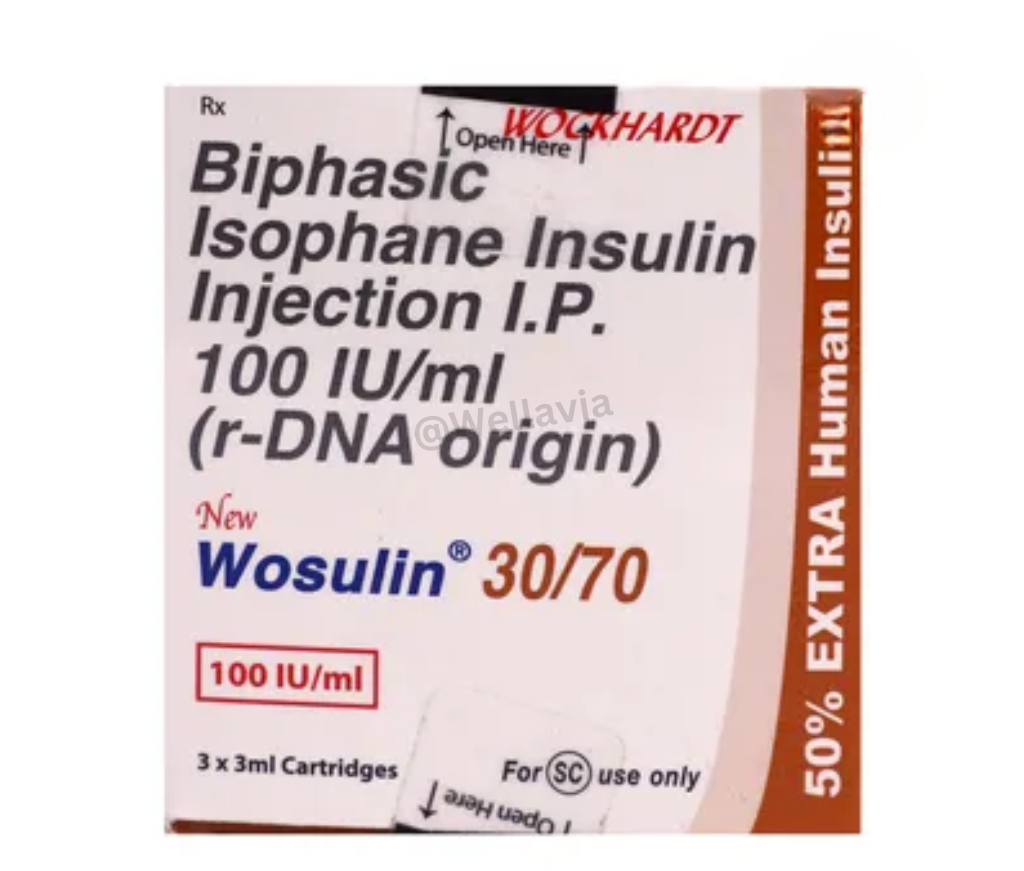
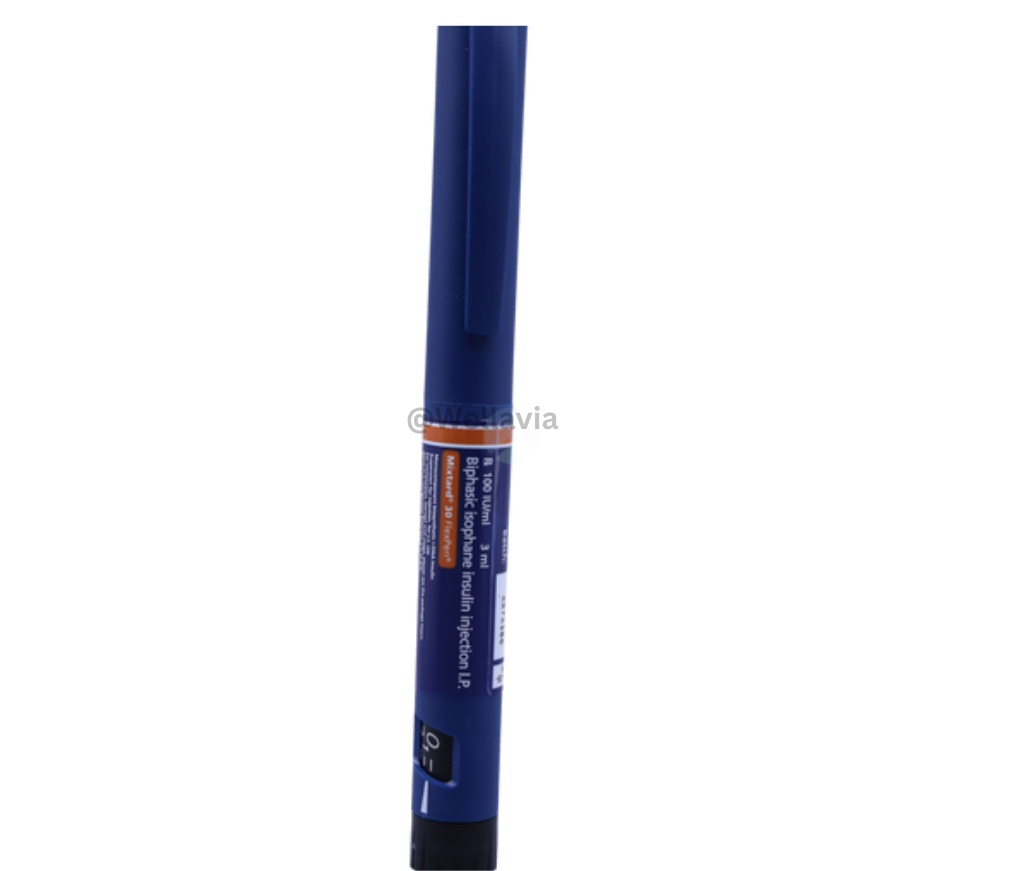
Mixtard 30/70 100iu/ml Flexpen 3ml
 Item requires a valid prescription
Manufactured By GENERAL
Composition Insulin Isophane(700iu),Soluble Insulin(300iu)
Rs 526.50
MRP Rs 626.78
(16% OFF)
Includes all taxes
Package SIZE
( 1 Pack )

100% Authentic
Products

Free
Shipping*

Products
Return Policy
Available Substitutes
-
Rs 262.33
16 % OFF Rs 312.30 -
Rs 262.79
16 % OFF Rs 312.84 -
Rs 356.24
16 % OFF Rs 424.10 -
Rs 509.12
14 % OFF Rs 592.00 -
Rs 515.90
-
Rs 469.31
14 % OFF Rs 545.71 -
Rs 489.34
14 % OFF Rs 569.00
Mixtard 30/70 100iu/ml Flexpen 3ml is a premixed insulin injection containing 30% rapid-acting insulin (soluble insulin) and 70% intermediate-acting insulin (isophane insulin). It's used to control high blood sugar levels in people with type 1 or type 2 diabetes. This medication helps regulate blood glucose by mimicking the body's natural insulin production. It is not a supplement but a crucial medication for managing diabetes. Always consult your doctor or pharmacist before starting or changing your insulin regimen.
Uses / Indications: It's very important to talk to your doctor or pharmacist before starting Mixtard 30/70 or making any changes to your medication or lifestyle. They can help you understand potential interactions and risks.
Drug Interactions
Other Diabetes Medications: Mixtard 30/70 is insulin, and taking it with other diabetes medications (like pills or other types of insulin) can significantly lower your blood sugar too much. Your doctor needs to carefully adjust your doses if you're taking other diabetes medicines.
Beta-blockers (for high blood pressure or heart conditions): These medications can mask the symptoms of low blood sugar (hypoglycemia), making it harder to notice.
Certain Steroids (like Prednisone): These medications can raise your blood sugar, requiring adjustments to your Mixtard dose.
MAO Inhibitors (for depression): These can affect how your body processes insulin, potentially leading to hypoglycemia.
Many other medications: Many other medications can interact with Mixtard 30/70, so always tell your doctor and pharmacist about all the medicines, vitamins, supplements, and herbal remedies you are taking.
Food and Lifestyle Interactions
Alcohol: Alcohol can affect your blood sugar levels unpredictably, potentially causing both high and low blood sugar. Be cautious about alcohol consumption while using Mixtard.
Food Timing: The timing of your meals and snacks relative to your insulin injections is crucial for managing your blood sugar. Consistent meal timing is important.
Exercise: Exercise can lower your blood sugar. You may need to adjust your insulin dose or food intake if you increase your physical activity.
Illness or Infection: Illnesses and infections can affect your blood sugar levels, often raising them. You may need to adjust your insulin dose during these times. Consult your doctor.
Medical Conditions and Warnings
Hypoglycemia (Low Blood Sugar): A common side effect of insulin. Symptoms include sweating, shakiness, dizziness, confusion, and fast heartbeat. Learn how to treat low blood sugar and carry glucose tablets or a sugary drink with you.
Hyperglycemia (High Blood Sugar): If your blood sugar is too high, you may experience increased thirst, frequent urination, blurred vision, and fatigue. This can be caused by insufficient insulin, illness, or diet.
Kidney or Liver Problems: These conditions can affect how your body processes insulin, potentially requiring dose adjustments.
Allergic Reactions: Although rare, allergic reactions to insulin can occur. Seek immediate medical attention if you experience symptoms like hives, swelling, or difficulty breathing.
Pregnancy and Breastfeeding: Insulin needs may change during pregnancy and breastfeeding. Close monitoring by your doctor is essential.
Remember, this is not an exhaustive list. Always consult your doctor or pharmacist for personalized advice and to discuss any concerns you may have.
- Product composition:
- Insulin Isophane(700iu),Soluble Insulin(300iu)
- Pregnancy interaction:
- Mixtard 30/70 is an insulin preparation used to manage diabetes during pregnancy. Its use requires careful monitoring and adjustment throughout gestation due to the fluctuating insulin needs of the pregnant body. The safety and efficacy of its use depend heavily on close collaboration with a healthcare professional.
Purpose: Mixtard 30/70, a combination of short-acting (30%) and intermediate-acting (70%) insulin, helps maintain stable blood glucose levels in pregnant women with type 1 or type 2 diabetes. Stable blood glucose is crucial for both the mother's and the baby's health.
Safety: While generally safe when used under proper medical supervision, insulin use during pregnancy necessitates careful monitoring of blood glucose levels and potential adjustments to dosage throughout the pregnancy. The risks associated with poorly controlled diabetes during pregnancy (e.g., birth defects, preeclampsia, macrosomia) far outweigh the risks associated with insulin therapy.
Medical Supervision: This is absolutely essential. Insulin requirements change significantly during pregnancy due to hormonal shifts and increased insulin resistance. A healthcare professional will regularly monitor blood glucose levels, adjust insulin dosage as needed, and address any complications that may arise. Self-adjusting the dosage is dangerous and should never be attempted.
Dosage and Administration: The specific dosage of Mixtard 30/70 is determined by the individual's needs and is adjusted by the doctor based on blood glucose monitoring. The Flexpen allows for precise insulin delivery.
Monitoring: Regular blood glucose monitoring, along with monitoring of fetal growth and development, are crucial to ensure both maternal and fetal well-being. This includes regular check-ups with the obstetrician and endocrinologist.
- Expert advice:
- Expert Advice: Mixtard 30/70 100iu/ml Flexpen 3ml
Dosage and Timing: Always follow your doctor's prescribed dosage and injection schedule precisely. Do not adjust the dose yourself. Consistency is key for effective blood sugar control. Typically, Mixtard is injected before meals, but your doctor will advise on the optimal timing for your individual needs.
Injection Technique: Learn proper injection technique from your healthcare professional. Rotate injection sites to prevent lipohypertrophy (fat build-up). Always use a new needle for each injection. Dispose of used needles safely in a sharps container.
Blood Glucose Monitoring: Regularly monitor your blood glucose levels as instructed by your doctor. This helps determine the effectiveness of your Mixtard dosage and allows for necessary adjustments.
Diet and Exercise: Maintain a healthy, balanced diet low in saturated fats and sugars. Regular physical activity is crucial for improving insulin sensitivity and managing blood sugar. Consult a dietitian or exercise professional for personalized guidance.
Hypoglycemia (Low Blood Sugar): Be aware of the symptoms of hypoglycemia (e.g., sweating, shakiness, dizziness). Carry a fast-acting sugar source (e.g., glucose tablets) to treat low blood sugar episodes. Inform your doctor about any frequent hypoglycemic events.
Hyperglycemia (High Blood Sugar): Know the symptoms of hyperglycemia (e.g., increased thirst, frequent urination, blurred vision). If you experience persistently high blood sugar levels, contact your doctor immediately.
Medication Interactions: Inform your doctor and pharmacist of all other medications you are taking, including over-the-counter drugs and herbal supplements, as some may interact with Mixtard.
Illness and Travel: Manage your diabetes carefully during illness. Your insulin requirements may change. Plan ahead for travel, ensuring you have sufficient supplies of Mixtard and other necessary diabetes supplies.
Storage: Store your Flexpen in the refrigerator (2-8°C) and protect it from extreme temperatures. Once in use, it can be stored at room temperature (up to 25°C) for up to 4 weeks.
Regular Check-ups: Attend all scheduled appointments with your doctor and diabetes care team for regular monitoring and adjustments to your treatment plan.
Never Share Your Pen: Mixtard Flexpens are for individual use only. Sharing pens can lead to infection and inaccurate dosing.
This information is for guidance only and does not replace professional medical advice. Always consult your doctor or diabetes care team for personalized advice and management of your diabetes.
- Side Effects:
- Mixtard 30/70 100iu/ml Flexpen 3ml, like all medicines, can cause side effects, although not everyone experiences them.
Common Side Effects:
Injection site reactions: These are usually mild and may include redness, swelling, itching, pain, or bruising at the injection site. These typically resolve on their own.
Hypoglycemia (low blood sugar): This is a common side effect of insulin and can cause symptoms like shaking, sweating, dizziness, confusion, headache, and hunger. It's important to learn how to manage low blood sugar.
Weight gain: Some people experience weight gain while using insulin.
Lipedema (fatty deposits) or lipoatrophy (loss of fatty tissue) at the injection site: These are changes in the fat tissue under the skin at the injection site.
Serious Side Effects that require medical attention:
Severe hypoglycemia (low blood sugar): This can lead to loss of consciousness, seizures, or even coma and requires immediate medical help.
Severe allergic reactions: These are rare but can be life-threatening and may include symptoms such as difficulty breathing, swelling of the face, lips, tongue, or throat, and a rapid heartbeat. Seek immediate medical attention if you experience these symptoms.
Hyperglycemia (high blood sugar): While less common with insulin, consistently high blood sugar can lead to serious complications such as diabetic ketoacidosis (DKA) – a serious condition requiring immediate medical attention. Symptoms of DKA include excessive thirst, frequent urination, nausea, vomiting, stomach pain, and a fruity-smelling breath.
Hypokalemia (low potassium levels in the blood): This can cause muscle weakness, fatigue, and irregular heartbeat.
Vision changes: While usually temporary, significant or sudden changes in vision should be reported to your doctor.
This is not an exhaustive list of all possible side effects. If you experience any other unusual or concerning symptoms, please consult your doctor or pharmacist.
- How to use:
- How To Use Mixtard 30/70 100iu/ml Flexpen 3ml
Prepare your injection: Wash your hands thoroughly. Choose an injection site (abdomen, thigh, or upper arm). Rotate sites with each injection.
Check the pen: Before each injection, check the dose counter on the Flexpen to ensure it displays the correct dose. Check the cartridge for air bubbles; gently roll the pen between your hands to bring any bubbles to the top and then carefully expel them.
Dial your dose: Turn the dose knob to select the dose your doctor prescribed.
Inject the medicine: Insert the needle into the skin at a 90-degree angle. Press the injection button fully and hold it until the dose counter shows '0'. Keep the needle in place for a few seconds after the injection is complete.
Remove the needle: Gently withdraw the needle. Dispose of the needle safely in a sharps container.
Best time to take it: Your doctor will advise you on the best time(s) to take your injection(s). It is often taken before meals.
With food: Mixtard 30/70 is usually injected before meals, but follow your doctor's specific instructions.
Swallowing: This is an injectable medication. Do not swallow it.
Missed dose: If you miss a dose, take it as soon as you remember unless it is almost time for your next dose. Never take a double dose to make up for a missed dose. Contact your doctor if you are concerned.
Storage: Store your Flexpen in the refrigerator (2°C to 8°C). Do not freeze. You can carry it with you at room temperature (up to 25°C) for up to 4 weeks. Always keep the pen cap on when not in use. Discard the pen after use or if the expiry date has passed.
Important Note: This is general information only. Always follow your doctor's specific instructions and read the patient information leaflet provided with your medication. If you have any questions or concerns, contact your doctor or pharmacist.
- How it works:
- Mixtard 30/70 is an insulin medicine that helps control your blood sugar levels.
Insulin Aspart (30%): This is a fast-acting insulin. It starts working quickly after you inject it, helping to lower your blood sugar levels immediately, especially after meals. Think of it as the quick-response team for your blood sugar.
Insulin Isophane (70%): This is an intermediate-acting insulin. It works more slowly and steadily than aspart, providing a longer-lasting effect. It helps keep your blood sugar levels stable between meals and overnight. Think of it as the sustained support team for your blood sugar.
Together, these two types of insulin work as a team to mimic the way your own pancreas would release insulin throughout the day. The fast-acting insulin covers the immediate rise in blood sugar after eating, while the intermediate-acting insulin provides a background level of control to prevent blood sugar from getting too high between meals. The 30/70 ratio means 30% of the insulin is fast-acting and 70% is intermediate-acting. This combination helps to keep your blood sugar levels in a healthy range.
- Faq for medicine:
- What is Mixtard 30/70 100iu/ml Flexpen 3ml used for?
Mixtard 30/70 is a type of insulin used to control high blood sugar levels in people with diabetes. It's a mixture of two types of insulin: short-acting and long-acting, working to control blood sugar throughout the day.
How do I take Mixtard 30/70?
Your doctor will show you how to use the Flexpen and tell you exactly how many units to inject and when. It's usually injected under the skin (subcutaneously) in your thigh, abdomen, or upper arm. Never inject it into a vein. Always rotate injection sites to prevent lumps forming.
What are the common side effects of Mixtard 30/70?
Common side effects can include low blood sugar (hypoglycaemia), which can cause symptoms like sweating, shakiness, dizziness, or confusion. Injection site reactions like redness, swelling, or itching are also possible. If you experience any side effects, talk to your doctor or pharmacist.
What should I do if I miss a dose of Mixtard 30/70?
If you miss a dose, take it as soon as you remember, unless it's almost time for your next dose. Never take a double dose to make up for a missed one. Contact your doctor or diabetes nurse for advice if you are unsure what to do.
Are there any important precautions I should take while using Mixtard 30/70?
Always check the label and your dose before injecting. Monitor your blood sugar regularly as directed by your doctor. Inform your doctor about all other medications you are taking, including over-the-counter drugs, as they may affect your insulin needs. Avoid alcohol consumption as it can affect your blood sugar levels.
What should I do if I experience low blood sugar (hypoglycemia)?
If you experience symptoms of low blood sugar, such as sweating, shakiness, or confusion, immediately eat or drink something containing sugar, like glucose tablets or a sugary drink. Then, check your blood sugar level. If it remains low, or symptoms persist, seek medical attention.
- Medicine interaction:
- It's crucial to tell your doctor about all the medications, supplements, and even herbal remedies you're taking, including over-the-counter drugs. This is because Mixtard 30/70 (a combination of insulin) can interact with many other substances, potentially affecting how well your insulin works or how other medications are processed by your body. This could lead to dangerously high or low blood sugar levels. Always consult your doctor or pharmacist before starting or stopping any medication while using Mixtard 30/70.
Beta-blockers (e.g., Metoprolol, Atenolol): These medications can mask the symptoms of low blood sugar (hypoglycemia), making it harder to recognize and treat.
ACE inhibitors (e.g., Lisinopril, Ramipril) and ARBs (e.g., Losartan, Valsartan): These blood pressure medications may increase the risk of hypoglycemia.
Sulfonylureas (e.g., Glipizide, Glyburide): These oral diabetes medications, if taken with Mixtard, increase the risk of dangerously low blood sugar.
Salicylates (e.g., Aspirin): High doses of aspirin can increase the risk of hypoglycemia.
Alcohol: Alcohol can interfere with blood sugar control and increase the risk of hypoglycemia. It can also affect the absorption of Mixtard.
Certain steroids (e.g., Prednisone, Cortisone): These medications can raise blood sugar levels, requiring adjustments to your insulin dose.
Thyroid hormones (e.g., Levothyroxine): These can increase the need for insulin.
Some diuretics (e.g., Thiazide diuretics): These can increase blood sugar levels.
This is not an exhaustive list, and other medications and substances may also interact with Mixtard 30/70. Always check with your doctor or pharmacist if you are unsure about any potential interactions. They can help you manage your medications safely and effectively.