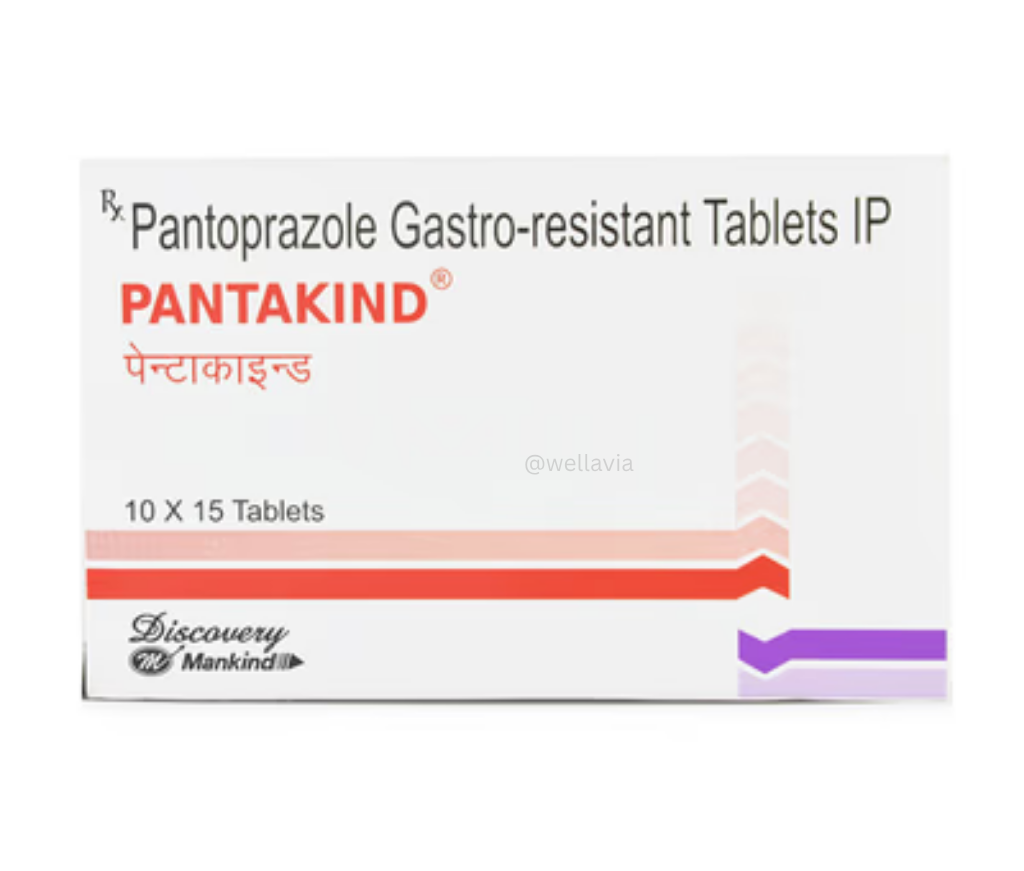
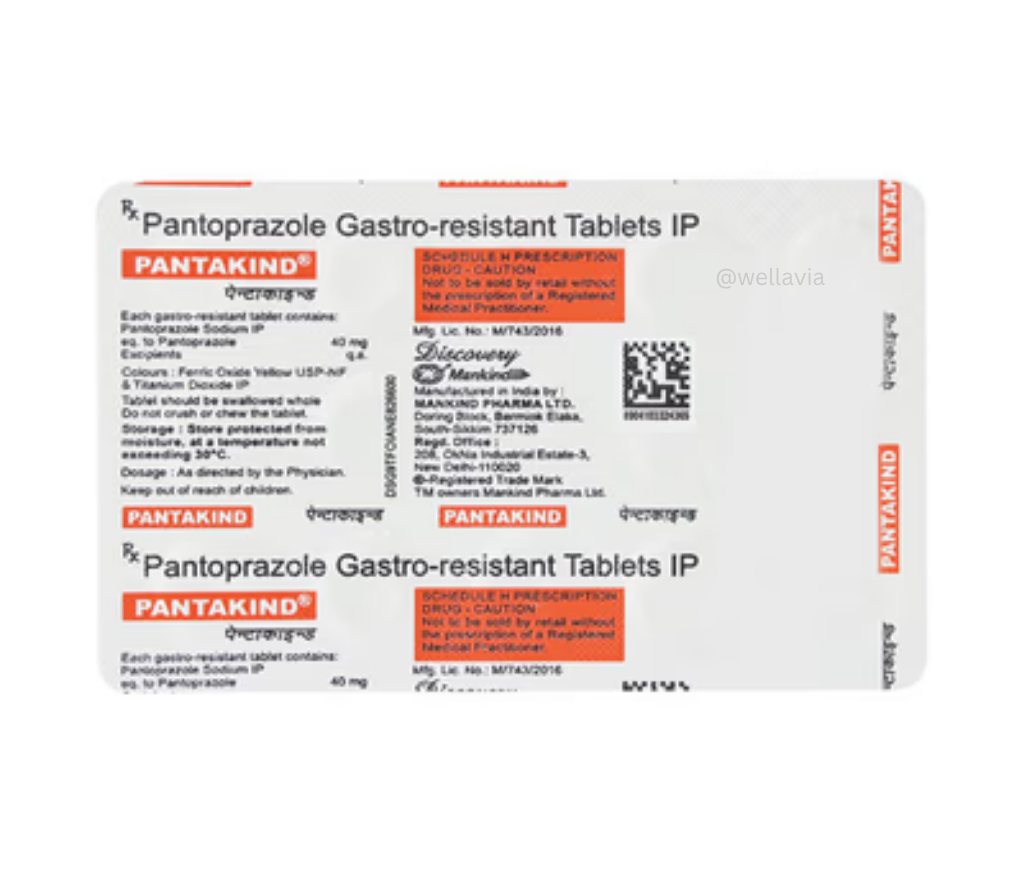
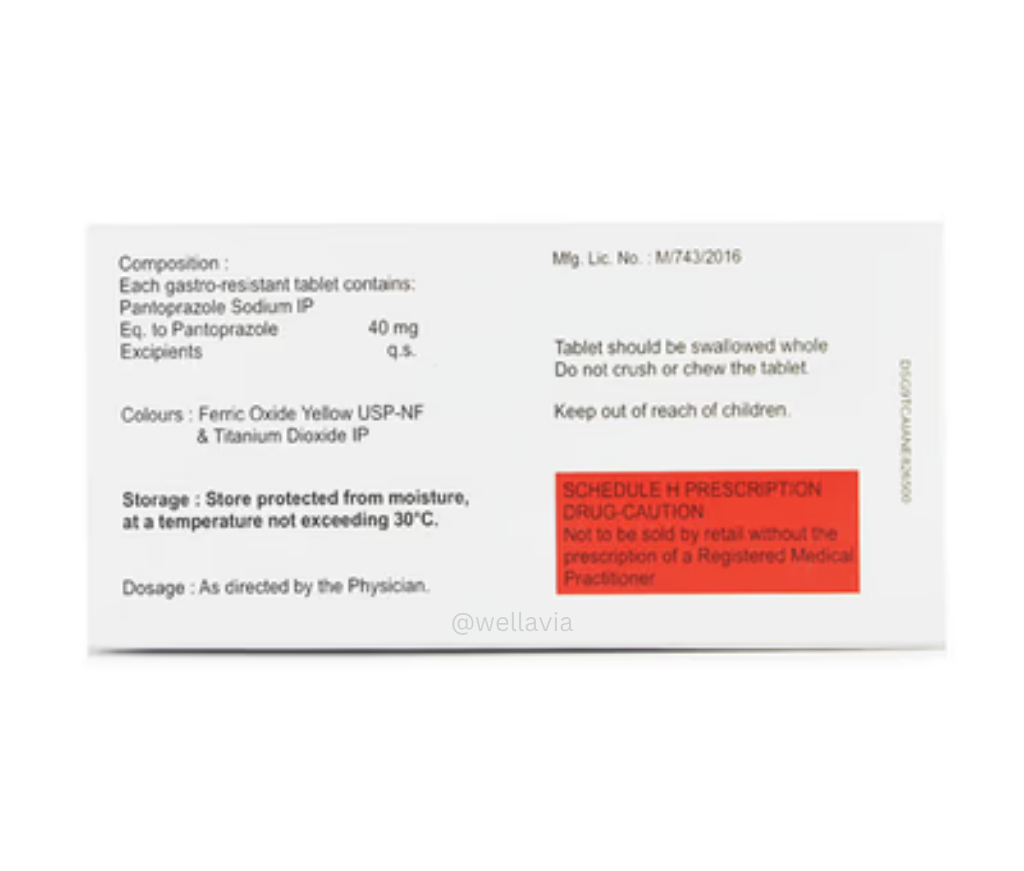
Pantakind 40mg Tablet 15 S
 Item requires a valid prescription
Manufactured By MANKIND PHARMA LTD
Composition Pantoprazole(40.0 Mg)
Rs 79.44
Includes all taxes
Package SIZE
( 1 Strip )

100% Authentic
Products

Free
Shipping*

Products
Return Policy
Available Substitutes
-
Topp 40 Tablet- 10
SYSTOPIC LABORATORIES PVT LTD
Rs 28.12
-
Pantosec IV 40mg Injection 10ml
GENERAL
Rs 38.99
31 % OFF Rs 56.50 -
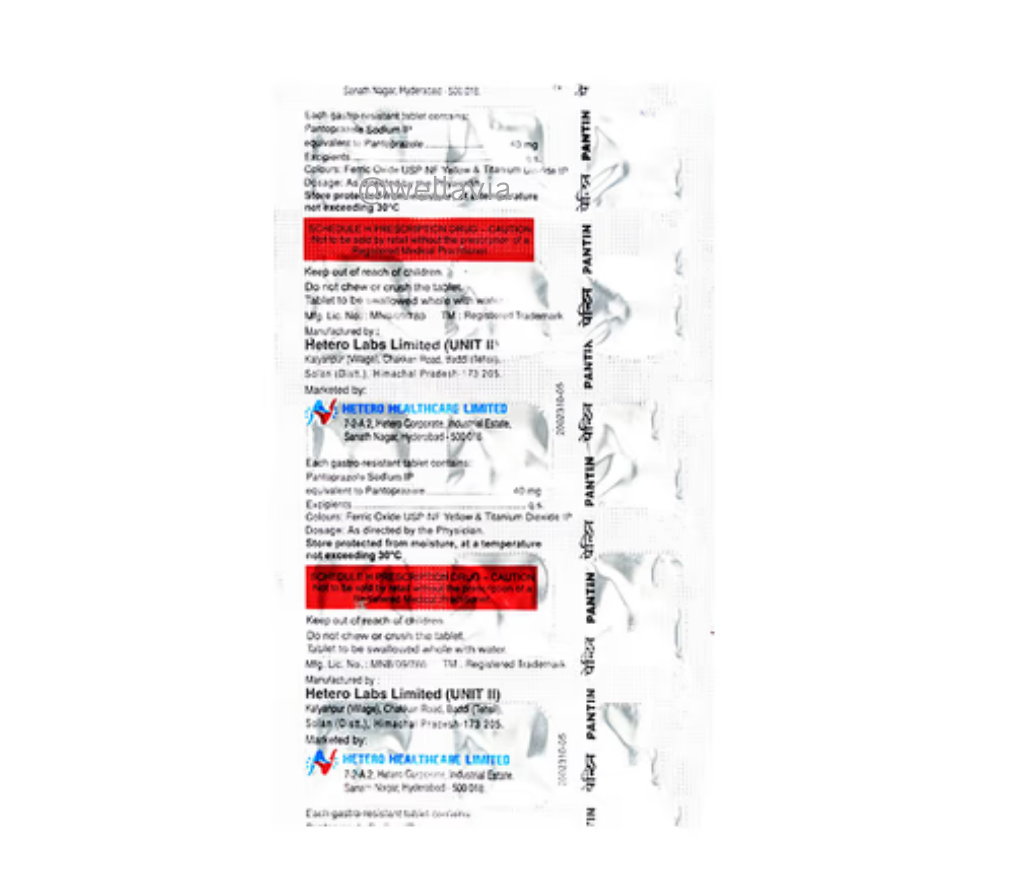
Pantin 40mg Tablet 15s 15 Tab
HETERO HEALTHCARE LIMITED
Rs 87.41
16 % OFF Rs 104.06 -
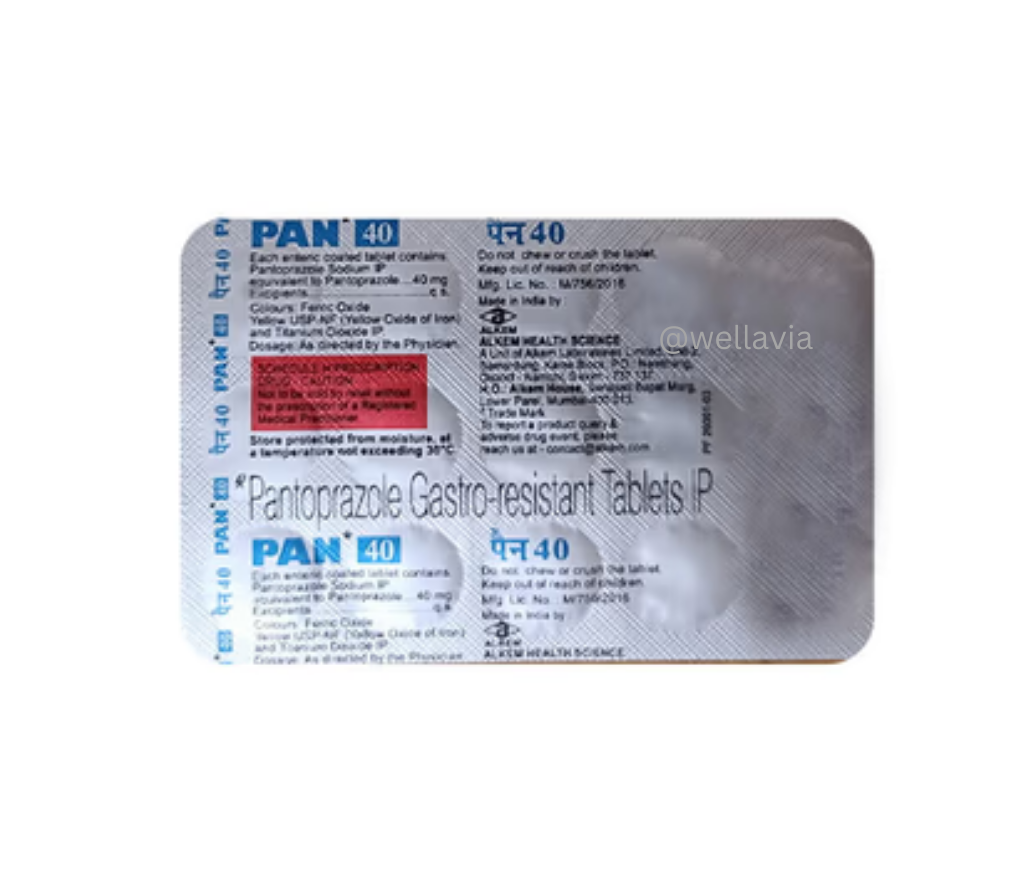
Pan 40mg Tablet 15 S
ALKEM LABORATORIES LTD
Rs 175.30
Uses / Indications: It's important to talk to your doctor or pharmacist before taking Pantakind 40mg tablets, especially if you are taking other medications or have any health concerns. They can help you understand potential interactions and risks.
Drug Interactions:
Other pain relievers: Taking Pantakind (which likely contains Paracetamol/Acetaminophen) with other pain relievers containing paracetamol or ibuprofen can increase the risk of liver damage or other side effects. Don't take more than one paracetamol-containing medicine at a time without consulting your doctor or pharmacist.
Warfarin (blood thinner): Pantakind may interact with warfarin, potentially affecting how well the blood thinner works. Your doctor will need to monitor you closely if you're taking both.
Alcohol: Combining Pantakind with alcohol can increase the risk of liver damage. Avoid excessive alcohol consumption while taking this medication.
Certain antibiotics: Some antibiotics may interact with Pantakind. Discuss all medications you are taking with your doctor or pharmacist.
Food and Lifestyle Interactions:
Grapefruit: Grapefruit can affect how your body processes some medications. It's best to avoid grapefruit juice while taking Pantakind.
Smoking and Caffeine: Smoking and excessive caffeine intake can increase the risk of side effects from Pantakind, particularly stomach upset.
Medical Conditions and Warnings:
Liver disease: Pantakind should be used with caution in individuals with liver disease, as it can further strain the liver. Your doctor may need to adjust your dose or recommend an alternative.
Kidney disease: People with kidney problems may need to adjust their Pantakind dosage or use a different medication. Your doctor will advise you on the appropriate course of action.
Allergies: If you have any known allergies, especially to paracetamol or other pain relievers, inform your doctor before taking Pantakind.
Pregnancy and breastfeeding: Talk to your doctor before taking Pantakind if you are pregnant, breastfeeding, or planning to become pregnant. The medication may not be suitable during these times.
Long-term use: Taking Pantakind for extended periods without medical supervision can be harmful. Only use it for as long as your doctor recommends.
This information is not exhaustive. Always consult your doctor or pharmacist for personalized advice.
- Product composition:
- Pantoprazole(40.0 Mg)
Drug Interactions:
Other pain relievers: Taking Pantakind (which likely contains Paracetamol/Acetaminophen) with other pain relievers containing paracetamol or ibuprofen can increase the risk of liver damage or other side effects. Don't take more than one paracetamol-containing medicine at a time without consulting your doctor or pharmacist.
Warfarin (blood thinner): Pantakind may interact with warfarin, potentially affecting how well the blood thinner works. Your doctor will need to monitor you closely if you're taking both.
Alcohol: Combining Pantakind with alcohol can increase the risk of liver damage. Avoid excessive alcohol consumption while taking this medication.
Certain antibiotics: Some antibiotics may interact with Pantakind. Discuss all medications you are taking with your doctor or pharmacist.
Food and Lifestyle Interactions:
Grapefruit: Grapefruit can affect how your body processes some medications. It's best to avoid grapefruit juice while taking Pantakind.
Smoking and Caffeine: Smoking and excessive caffeine intake can increase the risk of side effects from Pantakind, particularly stomach upset.
Medical Conditions and Warnings:
Liver disease: Pantakind should be used with caution in individuals with liver disease, as it can further strain the liver. Your doctor may need to adjust your dose or recommend an alternative.
Kidney disease: People with kidney problems may need to adjust their Pantakind dosage or use a different medication. Your doctor will advise you on the appropriate course of action.
Allergies: If you have any known allergies, especially to paracetamol or other pain relievers, inform your doctor before taking Pantakind.
Pregnancy and breastfeeding: Talk to your doctor before taking Pantakind if you are pregnant, breastfeeding, or planning to become pregnant. The medication may not be suitable during these times.
Long-term use: Taking Pantakind for extended periods without medical supervision can be harmful. Only use it for as long as your doctor recommends.
This information is not exhaustive. Always consult your doctor or pharmacist for personalized advice.
- Pregnancy interaction:
- Pantakin (containing Pantoprazole) is a medication used to reduce stomach acid. Its use during pregnancy requires careful consideration and should always be under the strict supervision of a doctor. The following points summarize its use, safety, and necessity for medical oversight.
Safety: Pantoprazole's safety during pregnancy is not fully established. While studies haven't shown major birth defects, limited data exists, and potential risks can't be entirely ruled out. The benefits must outweigh any potential risks.
Purpose: Pantakin may be prescribed during pregnancy only in specific situations where the benefits of reducing stomach acid significantly outweigh the potential risks to the fetus. This might be in cases of severe heartburn (GERD) that is not controlled by other, safer methods.
Medical Supervision: It is absolutely crucial to consult a doctor before taking Pantakin during pregnancy. The doctor will assess the severity of the condition, weigh the potential risks and benefits, and determine if Pantakin is the appropriate treatment. They will also monitor the pregnancy closely for any adverse effects.
Alternatives: The doctor will explore all possible alternatives to medication before prescribing Pantakin. Lifestyle changes, dietary adjustments, and other medications considered safer in pregnancy will be considered first.
Dosage and Duration: If Pantakin is prescribed, the doctor will prescribe the lowest effective dose for the shortest possible duration. Self-medication is strongly discouraged.
In summary, Pantakin use during pregnancy is not routine and should only be considered under strict medical supervision after a thorough risk-benefit assessment. Always consult your doctor before taking any medication during pregnancy.
- Expert advice:
- Expert Advice: Pantakin 40mg Tab 15's
Dosage and Timing: Always follow your doctor's prescribed dosage and schedule. Do not adjust the dose or frequency on your own. Take the tablet with a full glass of water, preferably with food to minimize stomach upset.
Missed Dose: If you miss a dose, take it as soon as you remember unless it's almost time for your next dose. Do not double the dose to make up for a missed one.
Storage: Store the medication in a cool, dry place away from direct sunlight and moisture, out of reach of children and pets.
Potential Side Effects: Be aware of potential side effects such as nausea, headache, dizziness, or constipation. Inform your doctor immediately if you experience any severe or persistent side effects.
Interactions: Inform your doctor and pharmacist about all other medications, supplements, or herbal remedies you are taking, as Pantakin may interact with some of them.
Alcohol Consumption: Avoid alcohol consumption while taking Pantakin, as it can increase the risk of side effects.
Driving and Operating Machinery: Pantakin may cause drowsiness or dizziness. Avoid driving or operating heavy machinery until you know how the medication affects you.
Underlying Conditions: Inform your doctor about any pre-existing medical conditions, especially liver or kidney problems, before starting Pantakin.
Pregnancy and Breastfeeding: Discuss the use of Pantakin with your doctor if you are pregnant, breastfeeding, or planning to become pregnant.
Regular Check-ups: Schedule regular check-ups with your doctor to monitor your progress and assess the effectiveness of the medication. Do not stop taking Pantakin without consulting your doctor, even if you feel better.
Dietary Considerations: Maintain a balanced diet and stay well-hydrated while taking Pantakin.
Allergic Reactions: Stop taking Pantakin and seek immediate medical attention if you experience any signs of an allergic reaction, such as rash, swelling, or difficulty breathing.
Disclaimer: This information is for general knowledge and does not constitute medical advice. Always consult your doctor or pharmacist for personalized guidance regarding Pantakin or any other medication.
- Side Effects:
- Pantakin 40mg tablets, like all medications, can cause side effects, although not everyone experiences them.
Common Side Effects:
Headache
Dizziness
Nausea
Vomiting
Diarrhea
Stomach upset
Sleep disturbances (insomnia or drowsiness)
Feeling tired or weak
Serious Side Effects that require medical attention:
Severe allergic reactions (such as rash, swelling of the face, lips, tongue, or throat, difficulty breathing)
Irregular heartbeat or palpitations
Chest pain
Severe stomach pain
Yellowing of the skin or eyes (jaundice)
Dark urine
Unusual bleeding or bruising
Seizures
Sudden changes in vision
Note: This is not an exhaustive list of all possible side effects. If you experience any other unusual or concerning symptoms, contact your doctor or pharmacist immediately.
- How to use:
- How To Use Pantakin 40mg Tab 15's:
Take the tablet as directed by your doctor. Do not change the dose or stop taking the medication without consulting your doctor.
Swallow the tablet whole with a glass of water. Do not chew or crush the tablet.
The best time to take Pantakin is usually once daily, with or without food. Follow your doctor's specific instructions regarding timing.
If you miss a dose, take it as soon as you remember. If it is almost time for your next dose, skip the missed dose and continue with your regular schedule. Do not take a double dose to make up for a missed one.
Store the tablets in a cool, dry place, away from direct sunlight and moisture. Keep them out of reach of children and pets.
If you experience any unexpected side effects, contact your doctor or pharmacist immediately.
This information is for guidance only. Always follow your doctor's instructions.
- How it works:
- Pantakin-D 40mg tablets are used to treat cold and flu symptoms. They contain a combination of ingredients that work together to relieve different symptoms.
Paracetamol (400mg): This is a pain reliever and fever reducer. It works by reducing the production of substances in your body that cause fever and pain. This helps lower your temperature if you have a fever and eases aches and pains associated with a cold or flu.
Chlorphenamine Maleate (4mg): This is an antihistamine. Histamines are substances your body releases during an allergic reaction or when you're sick, causing symptoms like a runny nose, sneezing, and itchy eyes. Chlorphenamine blocks the action of histamines, reducing these symptoms.
Phenylephrine Hydrochloride (10mg): This is a decongestant. It works by narrowing the blood vessels in your nasal passages, reducing swelling and congestion. This makes it easier to breathe through your nose.
These three ingredients work together to target different symptoms of colds and flu, providing relief from fever, aches, pains, runny nose, sneezing, itchy eyes, and nasal congestion. Remember to always follow the dosage instructions on the label or as directed by your doctor or pharmacist.
- Faq for medicine:
- What is Pantakind 40mg used for?
Pantakind 40mg (assuming this refers to a medication containing Pantoprazole 40mg) is used to reduce stomach acid. It's commonly prescribed for conditions like heartburn, acid reflux, and ulcers. It's important to note that this is a general answer, and your doctor prescribed it for a specific reason related to your individual health.
How should I take Pantakind 40mg?
Usually, you take one tablet daily, as directed by your doctor. It's best taken before breakfast, and you should swallow the tablet whole with a glass of water. Do not crush or chew the tablet. Always follow your doctor's instructions exactly.
What are the common side effects of Pantakind 40mg?
Like most medications, Pantakind 40mg can cause side effects, though not everyone experiences them. Common side effects can include headache, diarrhea, and nausea. These are usually mild and temporary. If you experience any severe or persistent side effects, contact your doctor immediately.
What should I do if I miss a dose of Pantakind 40mg?
If you miss a dose, take it as soon as you remember, unless it's almost time for your next dose. Never take a double dose to make up for a missed one. Just continue with your regular schedule.
Are there any important precautions I should take while using Pantakind 40mg?
You should inform your doctor about all other medications you are taking, including over-the-counter drugs and supplements, as they may interact with Pantakind 40mg. Also, let your doctor know if you have any allergies or pre-existing medical conditions, especially kidney or liver problems. Do not take Pantakind 40mg for longer than prescribed.
Can I drink alcohol while taking Pantakind 40mg?
While Pantakind 40mg itself doesn't directly interact with alcohol, excessive alcohol consumption can worsen stomach problems. It's best to discuss alcohol consumption with your doctor while you are taking this medication.
- Medicine interaction:
- It's crucial to tell your doctor about all the medications, supplements, and even herbal remedies you're taking, including Pantakind 40mg. This is because many substances can interact with Pantakind, potentially affecting how well it works or increasing the risk of side effects. Even seemingly harmless things can cause problems. Always consult your doctor or pharmacist before starting, stopping, or changing any medication.
Pantakind (assuming it contains Pantoprazole, a proton pump inhibitor) may interact with the following:
Other medications that reduce stomach acid: Taking Pantakind with other medications that lower stomach acid (like other proton pump inhibitors, H2 blockers, or antacids) can further reduce acidity, potentially affecting the absorption of some drugs that require a slightly acidic environment for proper absorption.
Clopidogrel (Plavix): Some studies suggest Pantoprazole may reduce the effectiveness of Clopidogrel, a blood thinner. This interaction can increase the risk of blood clots.
Atazanavir (an HIV medication): Pantoprazole can reduce the absorption of Atazanavir, making it less effective in treating HIV.
Ketoconazole and Itraconazole (antifungal medications): Pantoprazole may decrease the absorption of these antifungal medications, reducing their effectiveness.
Certain antibiotics: Some antibiotics, particularly those that require an acidic environment for absorption, might have reduced effectiveness when taken with Pantakind.
Methotrexate (a cancer drug and rheumatoid arthritis treatment): In high doses, Pantoprazole may increase the risk of methotrexate toxicity.
Warfarin (Coumadin): Although less common, there is a potential interaction with Warfarin, a blood thinner. Close monitoring may be necessary.
Magnesium-containing antacids: While often used together for heartburn relief, combining magnesium-containing antacids with Pantakind regularly can lead to increased magnesium levels in the blood, which can be harmful to individuals with kidney problems.
Vitamin B12: Long-term use of Pantoprazole can interfere with the absorption of Vitamin B12, potentially leading to deficiency.
This list is not exhaustive, and other interactions are possible. Always inform your healthcare provider of all medications and supplements you are using to ensure safe and effective treatment.