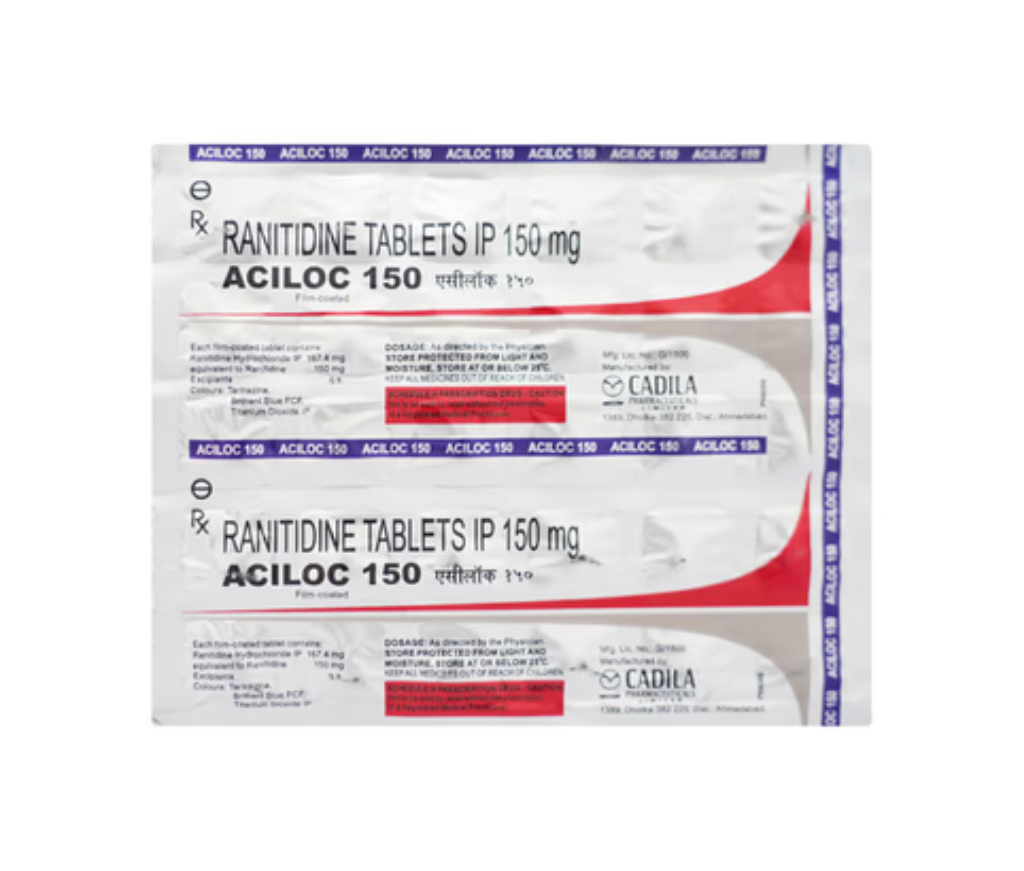
Aciloc 150 Tablet- 30
 Item requires a valid prescription
Manufactured By CADILA PHARMACEUTICALS LTD
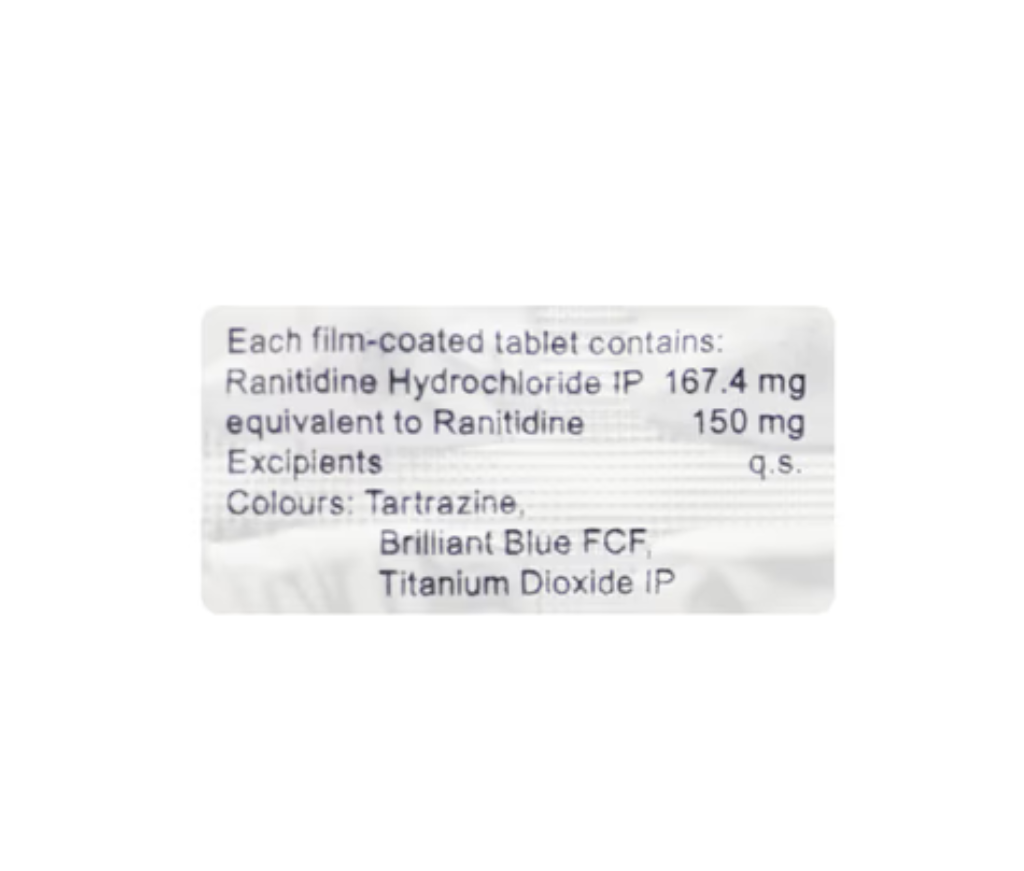
Composition Ranitidine(150.0 Mg)
Rs 42.37
MRP Rs 50.44
(16% OFF)
Includes all taxes
Package SIZE
( 1 Strip )

100% Authentic
Products

Free
Shipping*

Products
Return Policy
Available Substitutes
-
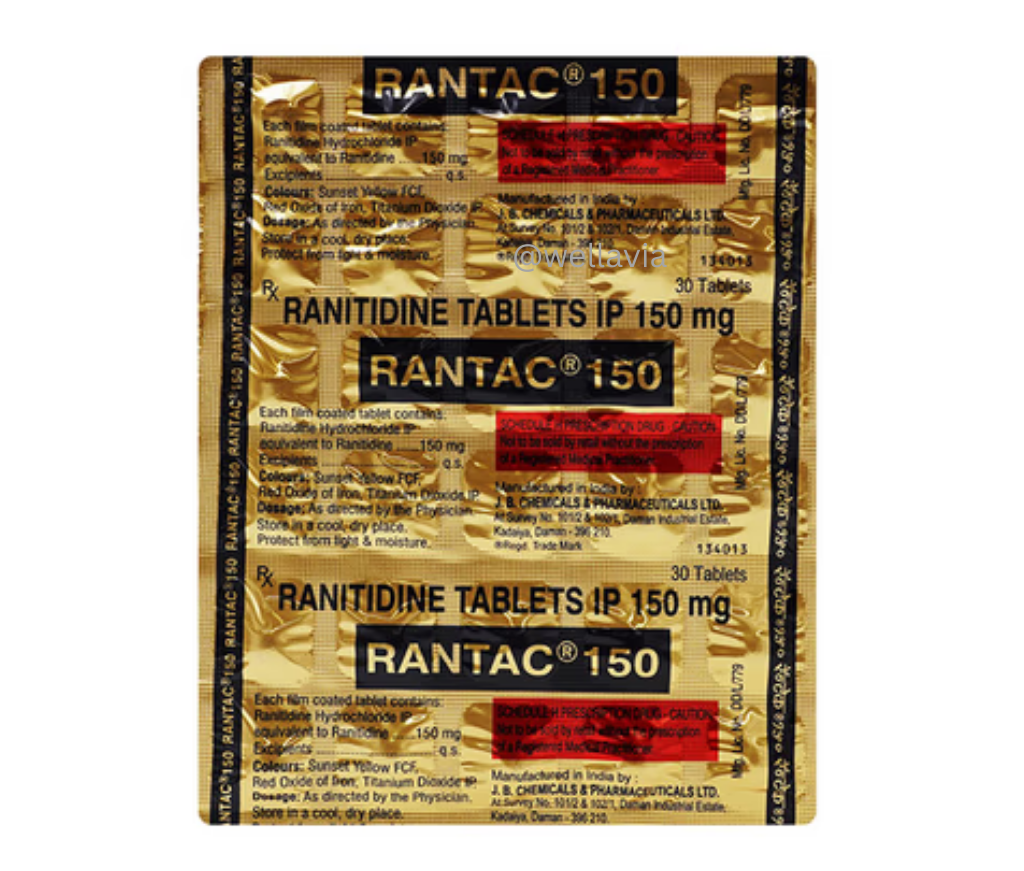
Rantac 150 Tablet- 30
J B CHEMICALS AND PHARMACEUTICALS LTD
Rs 50.76
Uses / Indications: Before taking Aciloc 150 Tablet, it is crucial to consult with your doctor to discuss any potential interactions or warnings, ensuring safe and effective use of the medication. Here is a comprehensive list of interactions and warnings for Aciloc 150 Tablet:
Drug Interactions
- Medication Interactions: Aciloc 150 Tablet can interact with several medications, including diazepam, lidocaine, phenytoin, propranolol, theophylline, atazanavir, delavirdine, and gefitinib. These interactions can lead to altered efficacy or increased side effects of either medication. It's important to inform your doctor about all medications you are taking.
- Interference with Other Medications: Aciloc might reduce the absorption of certain medications like atazanavir and ketoconazole, as it decreases stomach acid. This can affect how well these drugs work.
- Increased Toxicity: It can increase the toxicity of medications like cyclosporine, gentamicin, and glyburide, which may require careful monitoring.
Food and Lifestyle Interactions
- Alcohol Consumption: Drinking alcohol with Aciloc 150 Tablet can cause severe health effects. It is advisable to avoid alcohol consumption while taking this medication.
- Dietary Precautions: Avoid consuming foods or drinks that can irritate the stomach, such as citrus fruits or soft drinks, as they may increase acid secretion and worsen symptoms.
Medical Conditions and Warnings
- Allergies: Aciloc 150 Tablet should not be used if you have an allergy to ranitidine or any component of the medication.
- Pregnancy and Breastfeeding: While general precautions are always advised, specific warnings for pregnancy and breastfeeding should be discussed with a healthcare provider.
- Kidney Problems: If you have kidney issues, your doctor may need to adjust the dosage of Aciloc 150 Tablet.
- Underlying Medical Conditions: Inform your doctor about any underlying medical conditions, such as liver disease or blood disorders, as these may affect how you respond to the medication.
- Product composition:
- Ranitidine(150.0 Mg)
Drug Interactions
- Medication Interactions: Aciloc 150 Tablet can interact with several medications, including diazepam, lidocaine, phenytoin, propranolol, theophylline, atazanavir, delavirdine, and gefitinib. These interactions can lead to altered efficacy or increased side effects of either medication. It's important to inform your doctor about all medications you are taking.
- Interference with Other Medications: Aciloc might reduce the absorption of certain medications like atazanavir and ketoconazole, as it decreases stomach acid. This can affect how well these drugs work.
- Increased Toxicity: It can increase the toxicity of medications like cyclosporine, gentamicin, and glyburide, which may require careful monitoring.
Food and Lifestyle Interactions
- Alcohol Consumption: Drinking alcohol with Aciloc 150 Tablet can cause severe health effects. It is advisable to avoid alcohol consumption while taking this medication.
- Dietary Precautions: Avoid consuming foods or drinks that can irritate the stomach, such as citrus fruits or soft drinks, as they may increase acid secretion and worsen symptoms.
Medical Conditions and Warnings
- Allergies: Aciloc 150 Tablet should not be used if you have an allergy to ranitidine or any component of the medication.
- Pregnancy and Breastfeeding: While general precautions are always advised, specific warnings for pregnancy and breastfeeding should be discussed with a healthcare provider.
- Kidney Problems: If you have kidney issues, your doctor may need to adjust the dosage of Aciloc 150 Tablet.
- Underlying Medical Conditions: Inform your doctor about any underlying medical conditions, such as liver disease or blood disorders, as these may affect how you respond to the medication.
- Pregnancy interaction:
- Aciloc 150 Tablet is a medication primarily used to treat stomach ulcers, heartburn, indigestion, and related acid-related conditions. Its use during pregnancy requires careful consideration and medical supervision to ensure safety for both the mother and the unborn child.
- Purpose: Aciloc 150 is used to reduce stomach acid, thereby managing conditions like gastric or duodenal ulcers, gastroesophageal reflux disease (GERD), heartburn, and excessive stomach acid production (e.g., Zollinger-Ellison syndrome).
- Safety during pregnancy: The medication is generally considered safe when prescribed by a doctor during pregnancy, but caution is advised. Some sources indicate limited human studies and potential risks shown in animal studies, so it should only be used if the benefits outweigh potential risks.
- Medical supervision importance: Pregnant women should never self-medicate with Aciloc 150 and must consult their healthcare provider before using it. The doctor will weigh the risks and benefits and monitor for any adverse effects.
- Dosage adherence: The medication should be taken exactly as prescribed to avoid complications. Dosage adjustments may be necessary for individuals with kidney or liver issues.
- Breastfeeding considerations: Aciloc 150 passes into breast milk but is generally considered safe for breastfeeding mothers when advised by a doctor.
- Monitoring: Physicians may monitor kidney and liver function during treatment, especially in pregnant patients, to prevent any possible side effects.
- Avoid self-medication: Pregnant and breastfeeding women should strictly avoid self-prescribing this medication, as improper use can lead to complications.
In summary, Aciloc 150 Tablet can be used during pregnancy but only under strict medical supervision, ensuring that it is taken at the correct dose and with proper monitoring to maintain safety for both mother and child.
- Expert advice:
- - Take Aciloc 150 Tablet exactly as prescribed by your doctor, usually after meals with a glass of water to optimize effectiveness and reduce stomach irritation. Do not exceed the prescribed dose.
- If you miss a dose, take it as soon as you remember unless it is almost time for your next dose. Do not double the dose to make up for a missed one.
- Avoid consuming alcohol while on Aciloc 150, as it can worsen side effects and interfere with the medication's effectiveness.
- Do not take antacids or other acid-reducing medications within 2 hours of Aciloc 150 to avoid interaction unless your doctor advises otherwise.
- Avoid stomach irritants such as soft drinks, citrus fruits (like oranges and lemons), and spicy or fatty foods as they can increase stomach acid and reduce the benefit of the medication.
- Be aware of mild side effects such as headache, diarrhea, or gastrointestinal discomfort; these typically subside as your body adjusts.
- Report severe or persistent side effects immediately, such as rash, itching, difficulty breathing, swelling, severe dizziness, or signs of liver or kidney problems.
- Consult your doctor before starting Aciloc 150 if you have liver or kidney disease, as dose adjustment may be necessary.
- Inform your healthcare provider if you are pregnant or breastfeeding; Aciloc 150 is generally considered safe but should only be used under medical supervision in these cases.
- Continue taking the medication for the full prescribed duration even if symptoms improve; do not stop without consulting your doctor.
- If symptoms do not improve after 2 weeks of use, seek medical advice to rule out other conditions.
- Driving and operating heavy machinery is generally safe while using Aciloc 150, but monitor for any side effects that may impair your alertness.
- Store the medication in a cool, dry place away from direct sunlight and out of reach of children.
- Side Effects:
- Aciloc 150 Tablet is used to reduce stomach acid and treat conditions like ulcers and acid reflux. Like all medicines, it can cause some side effects, which can range from mild to serious.
Common Side Effects:
- Headache
- Stomach discomfort or gastrointestinal disturbances
- Nausea or vomiting
- Diarrhea
- Dizziness
- Rash or itching (mild allergic reactions)
Serious Side Effects That Require Medical Attention:
- Mental confusion, hallucinations, or mood changes such as agitation or depression
- Difficulty in breathing or severe shortness of breath
- Severe rash, swelling especially of the face, tongue, or throat (signs of a serious allergic reaction)
- Chest pain or irregular heartbeat
- Signs of infection such as persistent sore throat, fever, or chills
- Dark urine or yellowing of the skin and eyes (jaundice)
- Enlarged breasts or unexpected milk production
- Severe stomach or abdominal pain
- Easy bruising or bleeding
If you experience any serious side effects, it is important to seek medical help immediately. Always consult your doctor if you have concerns about side effects or your symptoms do not improve.
- How to use:
- - Take Aciloc 150 Tablet exactly as prescribed by your doctor; do not change the dose on your own.
- It is best to take the tablet once or twice daily, usually before meals or at bedtime depending on your condition.
- Swallow the tablet whole with a full glass of water; do not crush or chew it.
- For optimal results, take the tablet at the same times every day.
- Preferably, take Aciloc after meals unless your doctor advises otherwise.
- If you miss a dose, take it as soon as you remember. If it is nearly time for your next dose, skip the missed dose—do not double up.
- Store the tablets in a cool, dry place away from direct sunlight and moisture.
- Keep the medication out of reach of children.
- If you experience any severe side effects or allergic reactions, contact your doctor immediately.
- Follow your doctor’s instructions on the duration of treatment and do not stop taking the medication without medical advice.
- How it works:
- Aciloc 150 Tablet works mainly by reducing the amount of acid your stomach produces, which helps heal ulcers and relieve symptoms like heartburn and acid reflux.
- Ranitidine (Key ingredient): This is the active medicine in Aciloc 150. It blocks specific receptors in the stomach called histamine H2 receptors. Normally, histamine stimulates acid production in the stomach. By blocking these receptors, ranitidine stops histamine from telling your stomach to make acid, so less acid is produced.
- Effect of reducing acid: With less acid, the stomach lining and ulcers can heal better, and symptoms like pain, burning, and discomfort caused by acid irritation are relieved.
In summary, Aciloc 150 decreases stomach acid production by blocking signals that tell your stomach to produce acid. This helps reduce irritation, heal ulcers, and ease digestive discomfort.
- Faq for medicine:
- What is Aciloc 150 Tablet used for?
Aciloc 150 Tablet is used to treat conditions caused by excess stomach acid such as gastroesophageal reflux disease (GERD), heartburn, peptic ulcers, stomach ulcers, and Zollinger-Ellison syndrome. It helps relieve symptoms like indigestion, sour stomach, and acid reflux by reducing stomach acid production.
How should I take Aciloc 150 Tablet?
Take Aciloc 150 exactly as prescribed by your doctor. Swallow the tablet whole with a glass of water, preferably after meals. It is important to take it at the same time every day and not to exceed the prescribed dose.
What are the common side effects of Aciloc 150 Tablet?
Common side effects may include headache, diarrhea, and mild stomach disturbances. If you notice any severe or unusual symptoms, consult your doctor immediately.
What should I do if I miss a dose of Aciloc 150 Tablet?
If you miss a dose, take it as soon as you remember. If it is nearly time for your next dose, skip the missed one and continue with your regular schedule. Do not double the dose to catch up.
Are there any important precautions to know before taking Aciloc 150 Tablet?
Inform your doctor if you have kidney or liver problems, blood disorders, or are pregnant or breastfeeding. Avoid alcohol while taking this medicine as it can worsen symptoms. Also, do not stop taking Aciloc without consulting your doctor, even if you feel better.
Can Aciloc 150 Tablet be used during pregnancy or breastfeeding?
Aciloc 150 is generally not recommended during pregnancy or breastfeeding unless advised by your doctor. Always consult your healthcare provider before using this medication if you are pregnant or nursing.
- Medicine interaction:
- It is very important to inform your doctor about all the medications, supplements, and foods you are currently taking before starting Aciloc 150 Tablet to avoid any harmful interactions and ensure the best treatment outcome.
Here is a list of potential medicine and food interactions with Aciloc 150 Tablet:
- Blood thinners (e.g., warfarin): Aciloc may affect how blood thinners work, so close monitoring is needed to avoid increased bleeding risk.
- Anti-epileptic drugs (e.g., phenytoin): Interaction might change drug levels, requiring monitoring and possible dose adjustment.
- Benzodiazepines (e.g., diazepam, triazolam): Aciloc can alter the effectiveness of these brain-related medications, necessitating supervision.
- Antifungal medicines (e.g., ketoconazole): Absorption and effectiveness of antifungals can be reduced.
- Antihypertensive medicines: Interaction may influence blood pressure control.
- Anti-HIV and anti-cancer drugs: These may have altered absorption or effectiveness when taken with Aciloc.
- Heart medications: The effect of these medicines could be changed by taking Aciloc.
- Antacids: Should be taken at least 2 hours before or after Aciloc to avoid reducing its effectiveness.
- Alcohol: While no direct interaction is confirmed, alcohol can increase stomach acid and worsen symptoms being treated by Aciloc, so it is advised to avoid alcohol.
- Caffeinated beverages (coffee, tea, cola) and citrus fruits: These can irritate the stomach or increase acid production, counteracting Aciloc’s effect and potentially worsening symptoms.
Always follow your doctor's advice on timing and dosage, and never stop or adjust your medication without consulting your healthcare provider.