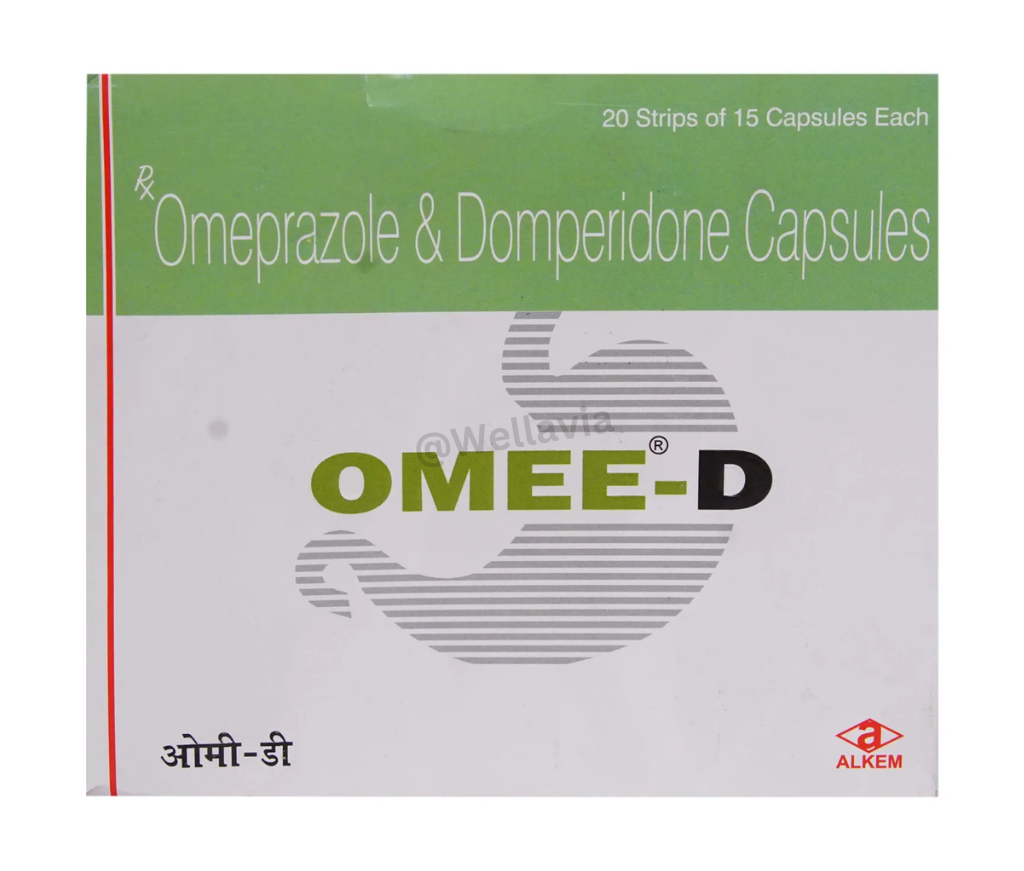

Omefol D 10/20mg Capsule 15s
 Item requires a valid prescription
Manufactured By LEEFORD HEALTHCARE LTD
Composition Domperidone#10mg,Omeprazole#20mg
Rs 43.99
MRP Rs 63.75
(31% OFF)
Includes all taxes
Package SIZE
( 1 Pcs )

100% Authentic
Products

Free
Shipping*

Products
Return Policy
Available Substitutes
-
Ozole D 10mg/20mg Capsule 15s
ABBOTT HEALTHCARE PVT LTD
Rs 127.71
31 % OFF Rs 185.09 -
Omee D Capsule 20s
ALKEM LABORATORIES LTD
Rs 215.62
-
Omee RD Tablet 20s
ALKEM LABORATORIES LTD
Rs 89.70
31 % OFF Rs 130.00
Uses / Indications: It's always best to talk to your doctor or pharmacist before starting Omefol D 10/20mg, or if you have any questions or concerns about potential interactions or side effects.
Drug Interactions
Other Folic Acid Supplements: Taking Omefol D along with other folic acid supplements or multivitamins containing folic acid can lead to an excess of folic acid in your body. This could be harmful.
Anticonvulsants (e.g., phenytoin, phenobarbital): Some seizure medications can reduce the effectiveness of folic acid. Omefol D may need to be adjusted if you are taking these.
Methotrexate: This medication is used to treat certain cancers and autoimmune diseases. Taking Omefol D with methotrexate can interfere with the effects of methotrexate.
Tetracyclines (certain antibiotics): Taking Omefol D with some antibiotics like tetracyclines might reduce the absorption of both medications. It's important to separate the timings of taking these medications.
Food and Lifestyle Interactions
Alcohol: Excessive alcohol consumption can interfere with the absorption and metabolism of vitamins, potentially reducing the benefits of Omefol D.
Smoking: Smoking can deplete certain nutrients, making it potentially less effective. Discuss with your doctor about managing your intake.
Caffeine: High caffeine intake may affect vitamin absorption, although the impact on Omefol D is not fully established.
Medical Conditions and Warnings
Vitamin B12 Deficiency: Omefol D contains folic acid, but it doesn't treat vitamin B12 deficiency. If you have a B12 deficiency, you need specific treatment for that condition. Taking only folic acid can mask the symptoms of B12 deficiency, delaying proper diagnosis and treatment.
Kidney Disease: People with kidney problems may need to adjust their dose of Omefol D. Your doctor will determine the appropriate dosage.
Liver Disease: Similar to kidney disease, individuals with liver problems might need dose adjustments for Omefol D. Your doctor will assess this.
Allergies: If you have known allergies to any of the ingredients in Omefol D, you should not take it. Inform your doctor or pharmacist about any allergies you have.
Pregnancy and Breastfeeding: While Omefol D may be beneficial during pregnancy and breastfeeding, it's crucial to consult your doctor before taking it to ensure it's safe and appropriate for your situation. The recommended dose might be different.
Remember: This information is for general knowledge and does not replace professional medical advice. Always consult your doctor or pharmacist before taking any medication, especially if you have pre-existing medical conditions or are taking other medications.
- Product composition:
- Domperidone#10mg,Omeprazole#20mg
Drug Interactions
Other Folic Acid Supplements: Taking Omefol D along with other folic acid supplements or multivitamins containing folic acid can lead to an excess of folic acid in your body. This could be harmful.
Anticonvulsants (e.g., phenytoin, phenobarbital): Some seizure medications can reduce the effectiveness of folic acid. Omefol D may need to be adjusted if you are taking these.
Methotrexate: This medication is used to treat certain cancers and autoimmune diseases. Taking Omefol D with methotrexate can interfere with the effects of methotrexate.
Tetracyclines (certain antibiotics): Taking Omefol D with some antibiotics like tetracyclines might reduce the absorption of both medications. It's important to separate the timings of taking these medications.
Food and Lifestyle Interactions
Alcohol: Excessive alcohol consumption can interfere with the absorption and metabolism of vitamins, potentially reducing the benefits of Omefol D.
Smoking: Smoking can deplete certain nutrients, making it potentially less effective. Discuss with your doctor about managing your intake.
Caffeine: High caffeine intake may affect vitamin absorption, although the impact on Omefol D is not fully established.
Medical Conditions and Warnings
Vitamin B12 Deficiency: Omefol D contains folic acid, but it doesn't treat vitamin B12 deficiency. If you have a B12 deficiency, you need specific treatment for that condition. Taking only folic acid can mask the symptoms of B12 deficiency, delaying proper diagnosis and treatment.
Kidney Disease: People with kidney problems may need to adjust their dose of Omefol D. Your doctor will determine the appropriate dosage.
Liver Disease: Similar to kidney disease, individuals with liver problems might need dose adjustments for Omefol D. Your doctor will assess this.
Allergies: If you have known allergies to any of the ingredients in Omefol D, you should not take it. Inform your doctor or pharmacist about any allergies you have.
Pregnancy and Breastfeeding: While Omefol D may be beneficial during pregnancy and breastfeeding, it's crucial to consult your doctor before taking it to ensure it's safe and appropriate for your situation. The recommended dose might be different.
Remember: This information is for general knowledge and does not replace professional medical advice. Always consult your doctor or pharmacist before taking any medication, especially if you have pre-existing medical conditions or are taking other medications.
- Pregnancy interaction:
- Omefol D 10/20mg capsules are a prenatal supplement containing folic acid and vitamin D3, crucial for a healthy pregnancy. However, its use should always be under the guidance of a healthcare professional. Self-medicating with this or any supplement during pregnancy is strongly discouraged.
Purpose: Omefol D provides folic acid, vital for preventing neural tube defects in the developing fetus. Vitamin D3 is also included, contributing to bone health for both mother and baby, and supporting the immune system.
Safety: While generally considered safe when taken as directed by a doctor, the safety profile of Omefol D, or any supplement, can vary depending on individual health conditions and existing medications. Potential interactions with other drugs or pre-existing health issues need to be considered.
Medical Supervision: It is crucial to consult a doctor or qualified healthcare provider before taking Omefol D during pregnancy. They will assess your individual needs, determine the appropriate dosage, and monitor for any potential side effects or complications. They can also help ensure that the supplement does not interfere with other medications you may be taking.
Dosage: The dosage of Omefol D should be determined by a healthcare professional based on individual requirements and should not be self-adjusted.
Importance of a Balanced Diet: Omefol D is a supplement and should not replace a healthy and balanced diet rich in folate and vitamin D. A healthy diet remains the cornerstone of a healthy pregnancy.
- Expert advice:
- Expert Advice: Omefol D 10/20mg Capsule 15s
Take as prescribed: Strictly adhere to the dosage and frequency prescribed by your doctor. Do not alter the dosage or discontinue the medication without consulting your physician.
Timing of intake: Take the capsule with food to minimize potential stomach upset. Follow your doctor's specific instructions regarding the best time to take the medication (e.g., with breakfast or dinner).
Complete the course: Finish the entire course of medication, even if you feel better before the capsules are finished. Stopping early can lead to relapse or incomplete treatment.
Dietary considerations: Maintain a balanced diet rich in folate and vitamin B12. While Omefol D provides supplementation, a healthy diet enhances its effectiveness.
Alcohol consumption: Limit or avoid alcohol consumption while taking Omefol D. Alcohol can interfere with the absorption and efficacy of the medication.
Pregnancy and breastfeeding: Inform your doctor if you are pregnant, breastfeeding, or planning to become pregnant. Omefol D's use during pregnancy and breastfeeding requires careful medical evaluation.
Interactions with other medications: Disclose all medications, supplements, and herbal remedies you are taking to your doctor or pharmacist. Interactions with other drugs are possible.
Adverse effects: Be aware of potential side effects such as nausea, vomiting, diarrhea, or allergic reactions. Contact your doctor immediately if you experience any unusual or concerning symptoms.
Storage: Store the capsules in a cool, dry place, away from direct sunlight and moisture, to maintain their effectiveness.
Missed dose: If you miss a dose, take it as soon as you remember, unless it is almost time for your next dose. Do not double the dose to make up for a missed one.
Regular check-ups: Schedule regular check-ups with your doctor to monitor your progress and ensure the medication is effective. Blood tests may be necessary to assess vitamin levels.
Do not self-medicate: Omefol D should only be taken under the supervision of a healthcare professional. Do not use this medication to treat conditions not specifically diagnosed by your doctor.
This information is for general guidance only and does not replace professional medical advice. Always consult your doctor or pharmacist for personalized recommendations.
- Side Effects:
- Omefol D 10/20mg Capsules, like all medications, can cause side effects, although not everyone experiences them.
Common Side Effects:
Upset stomach
Nausea
Vomiting
Diarrhea
Headache
Dizziness
Fatigue
Serious Side Effects that require medical attention:
Severe allergic reactions (e.g., rash, swelling of the face, lips, tongue, or throat, difficulty breathing)
Jaundice (yellowing of the skin or eyes)
Dark urine
Clay-colored stools
Persistent abdominal pain
Severe or persistent headache
Changes in vision
Unusual bleeding or bruising
Important Note: This is not an exhaustive list of all possible side effects. If you experience any other unusual symptoms or if you are concerned about any side effects, please consult your doctor or pharmacist immediately.
- How to use:
- How To Use Omefol D 10/20mg Capsule 15s:
Take the capsule as prescribed by your doctor. Do not change the dose or stop taking it without consulting your doctor.
Swallow the capsule whole with a glass of water. Do not chew, crush, or open the capsule.
The best time to take Omefol D is usually with food. This helps to reduce any stomach upset. Follow your doctor's specific instructions.
If you miss a dose, take it as soon as you remember, unless it is almost time for your next dose. Do not take a double dose to make up for a missed one.
Store the capsules in a cool, dry place, away from direct sunlight and moisture. Keep them out of reach of children.
If you experience any side effects, such as nausea, vomiting, or allergic reactions, contact your doctor immediately.
Do not use Omefol D after the expiry date printed on the packaging.
This information is for guidance only. Always follow your doctor's or pharmacist's instructions.
- How it works:
- Omefol D 10/20mg Capsules help your body make healthy red blood cells and support nerve function.
Folic Acid (10mg): This is a type of B vitamin crucial for making DNA, the building blocks of your cells. It's especially important for creating new cells, including red blood cells. A deficiency can lead to anemia (low red blood cell count).
Vitamin B12 (20mcg): Another B vitamin, vitamin B12 also plays a key role in making red blood cells and DNA. It also helps maintain healthy nerves and brain function. Like folic acid, a deficiency can cause anemia and nerve problems.
These two vitamins work together to ensure your body can produce enough healthy red blood cells and maintain proper nerve function. They are often prescribed together because they are frequently deficient at the same time, and they support each other's roles in the body.
- Faq for medicine:
- What is Omefol D 10/20mg Capsule used for?
Omefol D 10/20mg is a combination medicine used to treat anemia caused by a deficiency in both folic acid and vitamin B12. It helps your body produce healthy red blood cells.
How should I take Omefol D 10/20mg Capsule?
Take one capsule daily, as directed by your doctor. It's usually best to take it with food. Do not crush or chew the capsule; swallow it whole with a glass of water.
What are the common side effects of Omefol D 10/20mg Capsule?
Some people may experience mild side effects like nausea, diarrhea, or stomach upset. These are usually temporary and mild. If you experience any severe or persistent side effects, contact your doctor immediately.
What should I do if I miss a dose of Omefol D 10/20mg Capsule?
Take the missed dose as soon as you remember, unless it's almost time for your next dose. Do not take a double dose to make up for a missed one. Just continue with your regular schedule.
Are there any precautions I should take while using Omefol D 10/20mg Capsule?
You should inform your doctor about any other medications you are taking, including over-the-counter drugs and supplements, as they may interact with Omefol D. Also, let your doctor know about any allergies or medical conditions you have. Pregnant or breastfeeding women should consult their doctor before taking this medication.
Can I drink alcohol while taking Omefol D 10/20mg Capsule?
It's best to avoid excessive alcohol consumption while taking Omefol D, as alcohol can interfere with the absorption of nutrients and potentially worsen any existing health conditions contributing to your need for this medication. Always consult your doctor regarding alcohol consumption if you have concerns.
- Medicine interaction:
- It's crucial to tell your doctor about all medications, vitamins, supplements, and even herbal remedies you're taking, including Omefol D. This is because some substances can interact with Omefol D (which contains folic acid and vitamin D), potentially affecting how well they work or causing side effects. Always consult your doctor or pharmacist before starting or stopping any medication or supplement.
Omefol D interactions can occur with:
Antacids: Some antacids can reduce the absorption of folic acid and vitamin D, meaning your body might not get the full benefit. This interaction is due to changes in stomach pH.
Certain antibiotics (e.g., tetracyclines): Some antibiotics can interfere with the absorption of folic acid.
Anticonvulsants (e.g., phenytoin, phenobarbital): These medications can increase the breakdown of folic acid, potentially reducing its effectiveness.
Cholestyramine and Colestipol: These medications, used to lower cholesterol, can bind to folic acid in the gut, preventing its absorption.
Metformin: While not a direct interaction, taking metformin with folic acid supplementation requires monitoring as it can sometimes mask vitamin B12 deficiency, which folic acid can exacerbate if undetected.
Alcohol: Excessive alcohol consumption can interfere with the absorption and utilization of several vitamins, including folic acid and vitamin D.
Other B vitamins: While generally safe, taking very high doses of other B vitamins along with Omefol D might require monitoring, as some B vitamins can influence each other's metabolism.
This list is not exhaustive, and other interactions are possible. Always inform your doctor or pharmacist of all medications and supplements you are taking to avoid potential problems.