
Aciban 40mg Tablet 10s
 Item requires a valid prescription
Manufactured By GENERAL
Composition Pantoprazole(40mg)
Rs 63.00
MRP Rs 75.00
(16% OFF)
Includes all taxes
Package SIZE
( 1 Strip )

100% Authentic
Products

Free
Shipping*

Products
Return Policy
Available Substitutes
-
Pantafol 40mg Tablet 10s
LEEFORD HEALTHCARE LTD
Rs 41.63
40 % OFF Rs 69.38 -
Pantosec 40mg Tablet 10s
CIPLA LTD
Rs 86.14
40 % OFF Rs 143.56 -
Pentaloc 40mg Tablet 15 s
CADILA PHARMACEUTICALS LTD
Rs 86.18
40 % OFF Rs 143.63 -
Pazom 40mg Tablet 10s
ELDER PHARMACEUTICALS LTD.
Rs 143.40
40 % OFF Rs 239.00 -
Pantosec IV 40mg Injection 10ml
GENERAL
Rs 33.90
40 % OFF Rs 56.50 -
Pansped 40mg Tablet 10s
TORRENT PHARMACEUTICALS LTD
Rs 93.64
40 % OFF Rs 156.06 -
P 40 Tablet
ALKEM LABORATORIES LTD
Rs 67.50
40 % OFF Rs 112.50 -
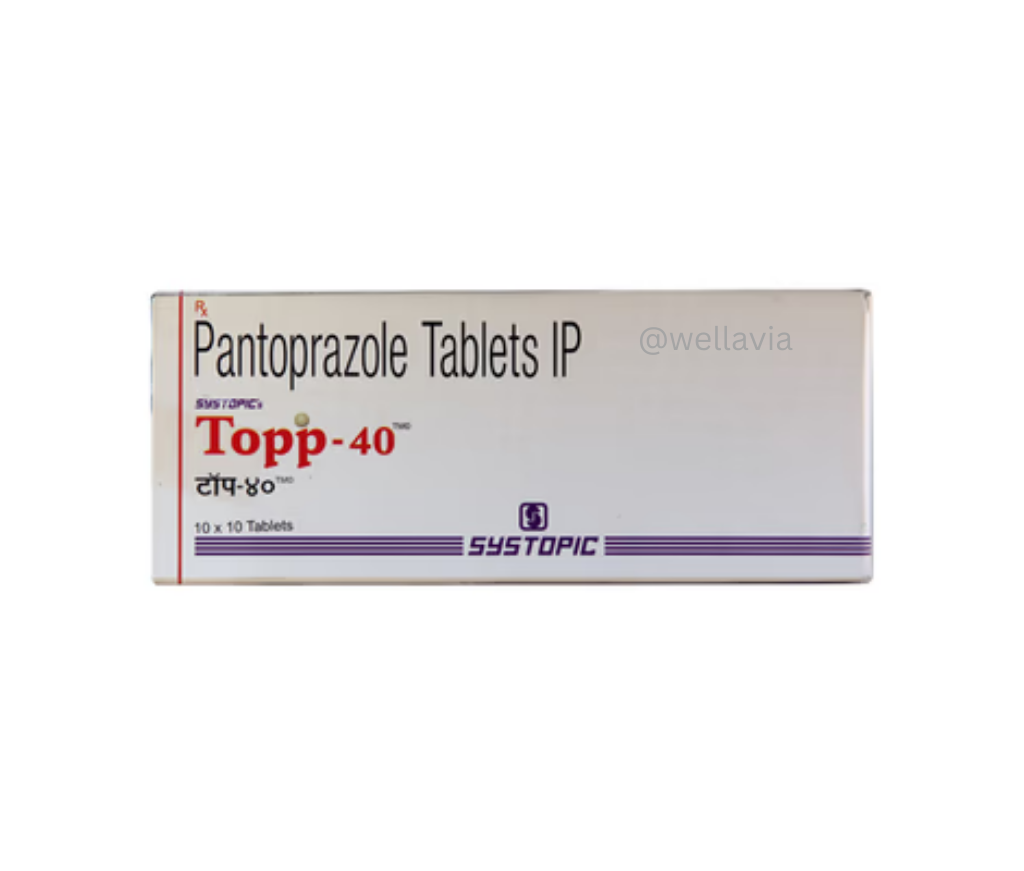
Topp 40 Tablet- 10
SYSTOPIC LABORATORIES PVT LTD
Rs 23.62
16 % OFF Rs 28.12 -
Pantin 40mg Tablet 15s 15 Tab
HETERO HEALTHCARE LIMITED
Rs 87.41
16 % OFF Rs 104.06 -
Pantakind 40mg Tablet 15 S
MANKIND PHARMA LTD
Rs 66.73
16 % OFF Rs 79.44 -
Prat 40mg Tablet 15s
ALTEUS BIOGENICS PVT LTD
Rs 152.75
16 % OFF Rs 181.84 -
Pantocid 40mg Tablet 15 s
SUN PHARMACEUTICAL INDUSTRIES LTD
Rs 152.78
16 % OFF Rs 181.88
Uses / Indications: It's always best to talk to your doctor or pharmacist before starting Aciban 40mg tablets, especially if you're taking other medications or have any health concerns.
Drug Interactions:
Other blood thinners (anticoagulants): Taking Aciban with other blood thinners like warfarin or heparin can increase your risk of bleeding. Your doctor may need to adjust your doses.
NSAIDs (Non-Steroidal Anti-Inflammatory Drugs): Using Aciban with ibuprofen, naproxen, or other NSAIDs can also raise your bleeding risk.
Aspirin: Combining Aciban with aspirin increases the chance of stomach upset and bleeding. Your doctor will advise on safe usage.
Antiplatelet drugs (like clopidogrel): These drugs, along with Aciban, increase the risk of bleeding. Discuss this with your doctor.
Food and Lifestyle Interactions:
Alcohol: Avoid excessive alcohol consumption while taking Aciban, as it can increase the risk of stomach bleeding and liver damage.
Grapefruit juice: Grapefruit juice can affect how your body processes Aciban. Avoid drinking it while taking this medication.
Smoking: Smoking can reduce the effectiveness of Aciban and increase the risk of complications.
Medical Conditions and Warnings:
Bleeding disorders: If you have a bleeding disorder (like hemophilia), Aciban may increase your risk of bleeding. Discuss this with your doctor before starting the medication.
Liver disease: Aciban is processed by the liver. If you have liver problems, your doctor may need to adjust your dose or choose a different medication.
Kidney disease: Aciban is eliminated through the kidneys. If you have kidney problems, your doctor will monitor you carefully while you're taking Aciban.
Pregnancy and breastfeeding: Discuss the use of Aciban with your doctor if you are pregnant, planning to become pregnant, or breastfeeding.
Allergies: Inform your doctor if you have any allergies, particularly to aspirin or other NSAIDs. Aciban may cause allergic reactions in susceptible individuals.
Stomach ulcers: Aciban can increase the risk of stomach ulcers. Your doctor might recommend additional medication to protect your stomach.
Disclaimer: This information is for general knowledge and does not constitute medical advice. Always consult your doctor or pharmacist for specific guidance regarding Aciban or any other medication.
- Product composition:
- Pantoprazole(40mg)
Drug Interactions:
Other blood thinners (anticoagulants): Taking Aciban with other blood thinners like warfarin or heparin can increase your risk of bleeding. Your doctor may need to adjust your doses.
NSAIDs (Non-Steroidal Anti-Inflammatory Drugs): Using Aciban with ibuprofen, naproxen, or other NSAIDs can also raise your bleeding risk.
Aspirin: Combining Aciban with aspirin increases the chance of stomach upset and bleeding. Your doctor will advise on safe usage.
Antiplatelet drugs (like clopidogrel): These drugs, along with Aciban, increase the risk of bleeding. Discuss this with your doctor.
Food and Lifestyle Interactions:
Alcohol: Avoid excessive alcohol consumption while taking Aciban, as it can increase the risk of stomach bleeding and liver damage.
Grapefruit juice: Grapefruit juice can affect how your body processes Aciban. Avoid drinking it while taking this medication.
Smoking: Smoking can reduce the effectiveness of Aciban and increase the risk of complications.
Medical Conditions and Warnings:
Bleeding disorders: If you have a bleeding disorder (like hemophilia), Aciban may increase your risk of bleeding. Discuss this with your doctor before starting the medication.
Liver disease: Aciban is processed by the liver. If you have liver problems, your doctor may need to adjust your dose or choose a different medication.
Kidney disease: Aciban is eliminated through the kidneys. If you have kidney problems, your doctor will monitor you carefully while you're taking Aciban.
Pregnancy and breastfeeding: Discuss the use of Aciban with your doctor if you are pregnant, planning to become pregnant, or breastfeeding.
Allergies: Inform your doctor if you have any allergies, particularly to aspirin or other NSAIDs. Aciban may cause allergic reactions in susceptible individuals.
Stomach ulcers: Aciban can increase the risk of stomach ulcers. Your doctor might recommend additional medication to protect your stomach.
Disclaimer: This information is for general knowledge and does not constitute medical advice. Always consult your doctor or pharmacist for specific guidance regarding Aciban or any other medication.
- Pregnancy interaction:
- Aciban 40mg Tablet (containing the active ingredient, acetazolamide) is a medication not typically recommended for use during pregnancy. Its use requires careful consideration due to potential risks to the developing fetus. Always consult a doctor before taking any medication during pregnancy.
Safety: Acetazolamide is categorized as a pregnancy category C drug. This means studies in animals have shown adverse effects on the fetus, and there is no adequate and well-controlled studies in pregnant women. The potential benefits must significantly outweigh the potential risks to the mother and fetus before considering its use.
Purpose: Acetazolamide is a carbonic anhydrase inhibitor primarily used to treat conditions like glaucoma, altitude sickness, and certain types of epilepsy. Its use during pregnancy would only be considered in very specific, serious situations where the potential benefits clearly outweigh the potential harm to the developing fetus.
Medical Supervision: It is absolutely crucial to have close medical supervision if acetazolamide is considered during pregnancy. A doctor will carefully assess the mother's condition, weigh the risks and benefits, and closely monitor both the mother and the fetus for any adverse effects. Self-medicating with acetazolamide during pregnancy is extremely dangerous and should be avoided completely. Alternative treatment options should always be explored first.
- Expert advice:
- Expert Advice: Aciban 40mg Tablet 10s
Dosage and Timing: Always follow your doctor's prescribed dosage and frequency. Do not exceed the recommended dose. Take the tablet with a full glass of water, preferably at the same time each day to maintain consistent blood levels.
Food Interactions: Avoid consuming grapefruit juice or grapefruit products while taking Aciban, as they can interact negatively and alter the medication's effectiveness. Consult your doctor regarding other potential food interactions.
Alcohol Consumption: Refrain from alcohol consumption while on Aciban, as it can increase the risk of side effects, including dizziness and drowsiness.
Driving and Operating Machinery: Aciban can cause drowsiness or dizziness. Avoid driving, operating heavy machinery, or engaging in activities requiring alertness until you know how the medication affects you.
Liver and Kidney Function: Inform your doctor about any pre-existing liver or kidney conditions before starting Aciban. Regular monitoring of these functions may be necessary.
Other Medications: Disclose all medications, including over-the-counter drugs, herbal remedies, and supplements, to your doctor or pharmacist. Interactions with other drugs are possible.
Missed Dose: If you miss a dose, take it as soon as you remember, unless it is almost time for your next dose. Never double the dose to make up for a missed one.
Allergic Reactions: Stop taking Aciban and seek immediate medical attention if you experience an allergic reaction, such as rash, hives, swelling, difficulty breathing, or chest pain.
Pregnancy and Breastfeeding: Inform your doctor if you are pregnant, breastfeeding, or planning to become pregnant. Aciban may not be suitable during these periods.
Regular Monitoring: Attend all scheduled follow-up appointments with your doctor to monitor your progress and adjust the treatment as needed. Report any unusual symptoms or side effects immediately.
Storage: Store Aciban in a cool, dry place, away from direct sunlight and moisture, and out of reach of children.
Disclaimer: This information is for general knowledge and does not constitute medical advice. Always consult your doctor or pharmacist before starting or changing any medication.
- Side Effects:
- Aciban 40mg Tablets, like all medications, can cause side effects, although not everyone experiences them. It's important to be aware of both common and serious possibilities.
Common Side Effects:
Headache
Dizziness
Nausea
Upset stomach
Sleep disturbances (insomnia or drowsiness)
Constipation
Serious Side Effects that require medical attention:
Allergic reactions (such as rash, itching, swelling of the face, lips, tongue, or throat, difficulty breathing)
Severe stomach pain
Jaundice (yellowing of the skin or eyes)
Unusual bleeding or bruising
Chest pain
Irregular heartbeat
Seizures
If you experience any of these serious side effects, stop taking Aciban and seek immediate medical help. If you have any concerns about side effects, contact your doctor or pharmacist.
- How to use:
- How To Use Aciban 40mg Tablet 10s:
Take the tablet as prescribed by your doctor. Do not change the dose or stop taking it without consulting your doctor.
Swallow the tablet whole with a glass of water. Do not chew or crush the tablet.
The best time to take Aciban is usually once daily, as directed by your doctor. This may be with or without food, depending on your doctor's instructions. Follow their specific advice.
If you miss a dose, take it as soon as you remember, unless it is almost time for your next dose. Do not take a double dose to make up for a missed one.
Store the tablets in a cool, dry place, away from direct sunlight and moisture. Keep them out of reach of children.
If you experience any unusual side effects, contact your doctor immediately.
Always check the expiry date before taking the medication. Discard any expired tablets.
This information is for guidance only. Always follow your doctor's instructions. They can provide personalized advice based on your specific needs.
- How it works:
- Aciban 40mg Tablet 10s is a medicine used to treat high blood pressure and certain types of chest pain. It works by affecting several parts of your body to lower your blood pressure and improve blood flow.
Atenolol (the active ingredient in Aciban): This is a beta-blocker. It works by slowing down your heart rate and relaxing your blood vessels. This makes it easier for your heart to pump blood around your body, lowering your blood pressure. It also helps to reduce the workload on your heart, which is beneficial if you have chest pain.
Combination effect: Because Aciban contains only Atenolol, the effects described above are solely due to this active ingredient. There are no other components working in conjunction with Atenolol in this specific medication.
In short, Aciban helps lower your blood pressure and reduces the strain on your heart by slowing your heart rate and relaxing your blood vessels. Always follow your doctor's instructions on how to take this medication.
- Faq for medicine:
- What is Aciban 40mg Tablet used for?
Aciban 40mg contains the active ingredient Aceclofenac, a nonsteroidal anti-inflammatory drug (NSAID). It's used to relieve pain and inflammation caused by conditions like osteoarthritis, rheumatoid arthritis, and other painful musculoskeletal conditions. It's important to only use it as prescribed by your doctor.
How should I take Aciban 40mg Tablet?
Always follow your doctor's instructions exactly. The usual dose is one tablet per day, but this can vary. Take it with food or milk to help reduce stomach upset. Do not crush or chew the tablet; swallow it whole with a glass of water.
What are the common side effects of Aciban 40mg Tablet?
Common side effects can include nausea, indigestion, heartburn, abdominal pain, and dizziness. These are usually mild and temporary. If you experience any severe or persistent side effects, contact your doctor immediately.
What should I do if I miss a dose of Aciban 40mg Tablet?
If you miss a dose, take it as soon as you remember, unless it's almost time for your next dose. Do not take a double dose to make up for a missed one.
Are there any precautions I should take while using Aciban 40mg Tablet?
Yes. Inform your doctor if you have any kidney or liver problems, a history of stomach ulcers, or are taking other medications, including over-the-counter drugs. Avoid alcohol while taking Aciban. This medication can increase the risk of bleeding, so be cautious if you're prone to bleeding.
Can I take Aciban 40mg Tablet with other medications?
You should always inform your doctor or pharmacist of all medications you are taking, including over-the-counter drugs and herbal remedies, before starting Aciban. Some medications can interact with Aciban, potentially leading to adverse effects.
- Medicine interaction:
- It's crucial to tell your doctor about all medications, supplements, and even herbal remedies you're taking, including Aciban 40mg tablets. This is because many substances can interact with medications, potentially affecting how well they work or causing side effects. Even seemingly harmless things like certain foods or drinks can impact your medication's effectiveness. Always consult your doctor or pharmacist before starting or stopping any medication.
Here are some examples of potential drug classes or substances that may interact with Aciban (assuming Aciban contains a medication that is commonly affected by these interactions):
Antacids: Antacids, which are used to relieve heartburn, can reduce the absorption of Aciban, meaning less of the medication will get into your bloodstream to work effectively. This can decrease the effectiveness of Aciban.
Certain antibiotics (e.g., some macrolides, rifampin): Some antibiotics can either speed up the breakdown of Aciban in the body, leading to lower levels in the blood, or they may compete for the same metabolic pathways, altering the levels of either medication. This could either make Aciban less effective or increase the risk of side effects.
Antifungal medications (e.g., ketoconazole, itraconazole): Similar to some antibiotics, certain antifungals can inhibit the metabolism of Aciban, leading to higher levels of Aciban in the blood, potentially increasing the risk of side effects.
Grapefruit juice: Grapefruit juice contains compounds that can interfere with enzymes in the liver that process Aciban. This can lead to increased levels of Aciban in the blood, increasing the risk of side effects. Avoid grapefruit juice while taking Aciban.
Alcohol: Alcohol can interact with many medications, and may increase the risk of side effects associated with Aciban or make Aciban less effective. Consult your doctor about alcohol consumption while taking Aciban.
Other medications metabolized by the same liver enzymes: Aciban is likely broken down by specific enzymes in your liver. Taking other medications that use the same enzymes can lead to competition, affecting the levels of both drugs in your blood. This could either make Aciban less effective or increase the risk of side effects. Your doctor or pharmacist can help identify potential drug interactions.
This list is not exhaustive. Always inform your doctor or pharmacist of all medications, supplements, and herbal remedies you are taking to avoid potential interactions.