
P Ppi 40mg Tablet 15s
 Item requires a valid prescription
Manufactured By BLUE CROSS LABORATORIES LTD
Composition Pantoprazole(40mg)
Rs 51.24
MRP Rs 61.00
(16% OFF)
Includes all taxes
Package SIZE
( 1 Pcs )

100% Authentic
Products

Free
Shipping*

Products
Return Policy
Available Substitutes
-
Pantafol 40mg Tablet 10s
LEEFORD HEALTHCARE LTD
Rs 41.63
40 % OFF Rs 69.38 -
Pantosec 40mg Tablet 10s
CIPLA LTD
Rs 86.14
40 % OFF Rs 143.56 -
Pentaloc 40mg Tablet 15 s
CADILA PHARMACEUTICALS LTD
Rs 86.18
40 % OFF Rs 143.63 -
Pazom 40mg Tablet 10s
ELDER PHARMACEUTICALS LTD.
Rs 143.40
40 % OFF Rs 239.00 -
Pantosec IV 40mg Injection 10ml
GENERAL
Rs 33.90
40 % OFF Rs 56.50 -
Pansped 40mg Tablet 10s
TORRENT PHARMACEUTICALS LTD
Rs 93.64
40 % OFF Rs 156.06 -
P 40 Tablet
ALKEM LABORATORIES LTD
Rs 67.50
40 % OFF Rs 112.50 -
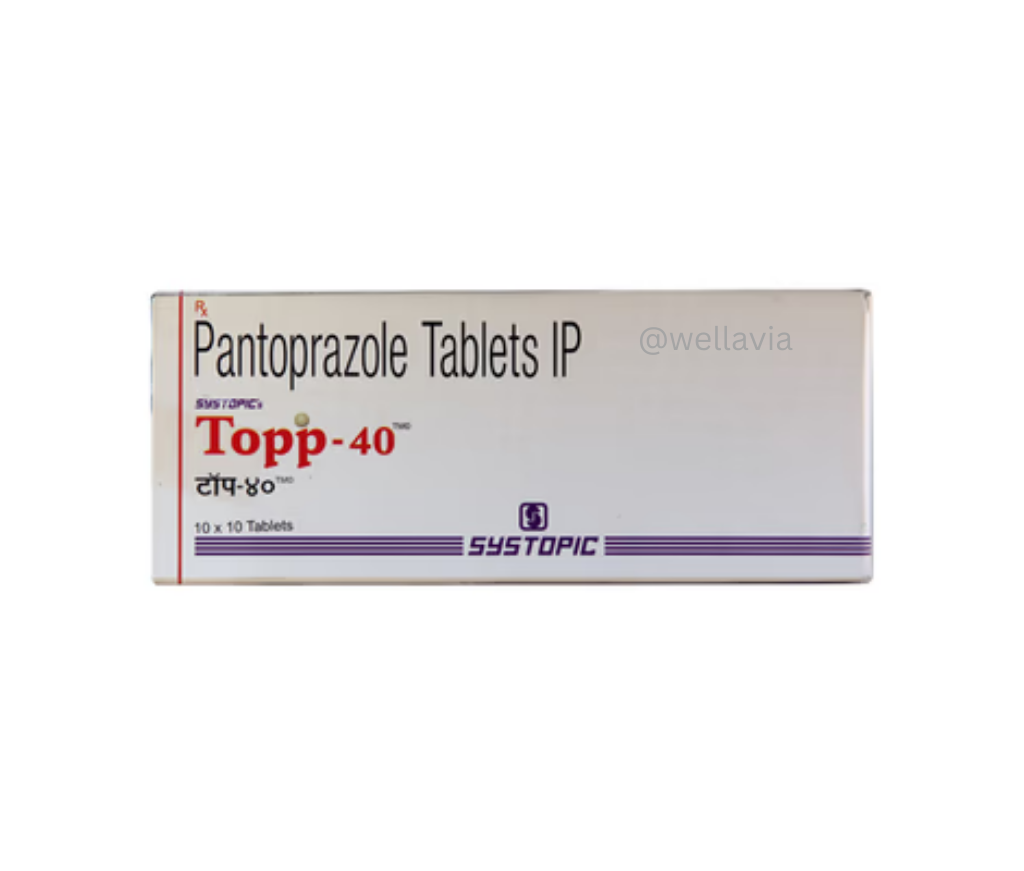
Topp 40 Tablet- 10
SYSTOPIC LABORATORIES PVT LTD
Rs 23.62
16 % OFF Rs 28.12 -
Pantin 40mg Tablet 15s 15 Tab
HETERO HEALTHCARE LIMITED
Rs 87.41
16 % OFF Rs 104.06 -
Pantakind 40mg Tablet 15 S
MANKIND PHARMA LTD
Rs 66.73
16 % OFF Rs 79.44 -
Prat 40mg Tablet 15s
ALTEUS BIOGENICS PVT LTD
Rs 152.75
16 % OFF Rs 181.84 -
Pantocid 40mg Tablet 15 s
SUN PHARMACEUTICAL INDUSTRIES LTD
Rs 152.78
16 % OFF Rs 181.88
Uses / Indications: It's always best to talk to your doctor or pharmacist before starting any new medication, including P PPI 40mg tablets, to ensure it's safe and appropriate for you.
Drug Interactions:
Other medications that reduce stomach acid: Taking P PPI 40mg with other medications that decrease stomach acid (like other PPIs, H2 blockers, or antacids) can increase the risk of low stomach acid levels, potentially affecting the absorption of other drugs. Your doctor may need to adjust dosages.
Warfarin (blood thinner): P PPI 40mg may affect how your body processes warfarin, potentially increasing the risk of bleeding. Your doctor will need to monitor you carefully if you're taking both medications.
Atazanavir (HIV medication): Taking P PPI 40mg can reduce the effectiveness of atazanavir. Your doctor may need to adjust your medication or choose a different treatment.
Clopidogrel (blood thinner): Some studies suggest PPIs may reduce the effectiveness of clopidogrel. Discuss this with your doctor.
Methotrexate (cancer treatment and rheumatoid arthritis medication): PPIs may increase the levels of methotrexate in the blood, increasing the risk of side effects. Your doctor will need to monitor you closely.
Food and Lifestyle Interactions:
Alcohol: While P PPI 40mg doesn't directly interact with alcohol, long-term use of PPIs along with excessive alcohol consumption can increase the risk of stomach problems.
Smoking: Smoking can irritate the stomach lining, potentially negating some of the benefits of P PPI 40mg and increasing the risk of stomach ulcers. Quitting smoking is beneficial for your overall health.
Calcium and Magnesium: Long-term use of high doses of PPIs can interfere with the absorption of calcium and magnesium, potentially leading to deficiencies. Your doctor may recommend monitoring your levels.
Medical Conditions and Warnings:
Kidney problems: If you have kidney problems, your doctor may need to adjust your dosage of P PPI 40mg.
Liver problems: If you have liver problems, your doctor may need to adjust your dosage or choose a different medication.
Osteoporosis (weak bones): Long-term use of PPIs has been linked to an increased risk of osteoporosis. Your doctor may recommend regular bone density checks.
Vitamin B12 deficiency: Long-term use of PPIs can interfere with the absorption of vitamin B12, potentially leading to deficiency. Your doctor may recommend monitoring your B12 levels.
Allergic reactions: Like any medication, you may experience an allergic reaction (rash, itching, swelling, difficulty breathing). Stop taking the medication and seek immediate medical attention if this occurs.
Bone fractures: Increased risk of hip, wrist, and spine fractures with long-term use. Discuss this with your doctor.
This information is not exhaustive, and you should always consult your doctor or pharmacist for personalized advice.
- Product composition:
- Pantoprazole(40mg)
Drug Interactions:
Other medications that reduce stomach acid: Taking P PPI 40mg with other medications that decrease stomach acid (like other PPIs, H2 blockers, or antacids) can increase the risk of low stomach acid levels, potentially affecting the absorption of other drugs. Your doctor may need to adjust dosages.
Warfarin (blood thinner): P PPI 40mg may affect how your body processes warfarin, potentially increasing the risk of bleeding. Your doctor will need to monitor you carefully if you're taking both medications.
Atazanavir (HIV medication): Taking P PPI 40mg can reduce the effectiveness of atazanavir. Your doctor may need to adjust your medication or choose a different treatment.
Clopidogrel (blood thinner): Some studies suggest PPIs may reduce the effectiveness of clopidogrel. Discuss this with your doctor.
Methotrexate (cancer treatment and rheumatoid arthritis medication): PPIs may increase the levels of methotrexate in the blood, increasing the risk of side effects. Your doctor will need to monitor you closely.
Food and Lifestyle Interactions:
Alcohol: While P PPI 40mg doesn't directly interact with alcohol, long-term use of PPIs along with excessive alcohol consumption can increase the risk of stomach problems.
Smoking: Smoking can irritate the stomach lining, potentially negating some of the benefits of P PPI 40mg and increasing the risk of stomach ulcers. Quitting smoking is beneficial for your overall health.
Calcium and Magnesium: Long-term use of high doses of PPIs can interfere with the absorption of calcium and magnesium, potentially leading to deficiencies. Your doctor may recommend monitoring your levels.
Medical Conditions and Warnings:
Kidney problems: If you have kidney problems, your doctor may need to adjust your dosage of P PPI 40mg.
Liver problems: If you have liver problems, your doctor may need to adjust your dosage or choose a different medication.
Osteoporosis (weak bones): Long-term use of PPIs has been linked to an increased risk of osteoporosis. Your doctor may recommend regular bone density checks.
Vitamin B12 deficiency: Long-term use of PPIs can interfere with the absorption of vitamin B12, potentially leading to deficiency. Your doctor may recommend monitoring your B12 levels.
Allergic reactions: Like any medication, you may experience an allergic reaction (rash, itching, swelling, difficulty breathing). Stop taking the medication and seek immediate medical attention if this occurs.
Bone fractures: Increased risk of hip, wrist, and spine fractures with long-term use. Discuss this with your doctor.
This information is not exhaustive, and you should always consult your doctor or pharmacist for personalized advice.
- Pregnancy interaction:
- PPi 40mg tablets (presumably referring to a Proton Pump Inhibitor medication) are not typically recommended during pregnancy due to potential risks. Their use should only be considered under strict medical supervision in very specific circumstances. The decision to use PPIs during pregnancy must carefully balance the potential benefits against the potential risks to both the mother and the developing fetus.
Safety: PPi medications are generally considered relatively safe in low doses for short durations during pregnancy, but long-term use and high doses are associated with potential risks, including an increased risk of birth defects in some studies. The specific risks vary depending on the trimester and the specific PPI.
Purpose: PPIs are used to reduce stomach acid production. In pregnancy, they might be considered in very limited cases to manage severe heartburn (GERD) or other acid-related conditions that are not effectively controlled by lifestyle changes or other safer alternatives. The benefit must significantly outweigh the potential risks.
Medical Supervision: It is absolutely crucial that any use of PPi 40mg tablets during pregnancy is under the direct guidance of a healthcare professional (doctor or obstetrician). They will assess the severity of the mother's condition, weigh the potential benefits against the risks, and determine the appropriate dosage and duration of treatment. Self-medicating with PPIs during pregnancy is strongly discouraged. The doctor will monitor both the mother's health and the baby's development throughout the treatment.
It is important to note that this information is for general knowledge only and does not constitute medical advice. Always consult a healthcare professional for any health concerns or before making any decisions related to your health or treatment.
- Expert advice:
- Expert Advice: PPi 40mg Tablet 15s
Take as prescribed: Strictly adhere to the dosage and frequency prescribed by your doctor. Do not alter the dose or stop taking the medication without consulting your physician.
Timing of administration: Generally, PPIs are most effective when taken before breakfast, on an empty stomach. However, your doctor may advise a different schedule. Follow their instructions precisely.
Complete the course: Finish the entire course of medication, even if your symptoms improve before the prescribed duration is complete. This helps prevent recurrence and ensures optimal healing.
Report persistent symptoms: If your symptoms persist or worsen despite taking the medication, contact your doctor immediately. This could indicate an underlying condition requiring further investigation.
Medication interactions: Inform your doctor about all other medications, supplements, or herbal remedies you are currently taking. PPIs can interact with some drugs, potentially affecting their effectiveness or causing side effects.
Lifestyle modifications: Maintain a healthy lifestyle to support the effectiveness of the medication. This includes following a balanced diet, avoiding excessive alcohol consumption, and quitting smoking. Stress reduction techniques may also be beneficial.
Potential side effects: Be aware of potential side effects such as headache, diarrhea, constipation, or nausea. Most side effects are mild and transient. However, report any severe or persistent side effects to your doctor promptly.
Bone health: Long-term use of PPIs can potentially increase the risk of bone fractures. Discuss this with your doctor, especially if you have a history of osteoporosis or other bone-related issues.
Vitamin B12 deficiency: Prolonged PPI use can interfere with Vitamin B12 absorption. Your doctor may recommend regular blood tests to monitor your B12 levels.
Magnesium deficiency: Long-term PPI use can also potentially lead to magnesium deficiency. Discuss this concern with your physician, particularly if you experience symptoms such as muscle cramps or weakness.
Do not crush or chew: Swallow the tablet whole with a glass of water. Do not crush, chew, or break the tablet.
Storage: Store the medication in a cool, dry place, away from direct sunlight and moisture, and out of reach of children.
This information is for general guidance only and does not constitute medical advice. Always consult your doctor or pharmacist for personalized recommendations and to address any specific concerns.
- Side Effects:
- Like all medicines, P PPI 40mg tablets can cause side effects, although not everyone experiences them.
Common Side Effects:
Headache
Diarrhea
Nausea
Abdominal pain
Constipation
Flatulence (gas)
Dizziness
Feeling tired or weak
Serious Side Effects that require medical attention:
Severe allergic reactions (e.g., rash, swelling of the face, lips, tongue, or throat, difficulty breathing)
Signs of infection (e.g., fever, persistent cough, sore throat)
Severe or persistent stomach pain
Bloody or black stools
Vomiting blood
Yellowing of the skin or eyes (jaundice)
Muscle weakness or pain
Unexplained weight loss
Bone fractures (especially with long-term use)
Note: This is not an exhaustive list of all possible side effects. If you experience any other unusual symptoms, or if you are concerned about any side effects, talk to your doctor or pharmacist.
- How to use:
- How To Use PPi 40mg Tablet 15s:
Take the tablet whole: Do not chew, crush, or break the tablet.
Take with a glass of water: Swallow the tablet with a full glass of water.
Best time to take: Take the tablet once daily, preferably in the morning, before or with food. Your doctor may advise a different schedule.
Missed dose: If you miss a dose, take it as soon as you remember, unless it is almost time for your next dose. Do not take a double dose to make up for a missed one.
Duration of treatment: Continue taking the tablets for the duration prescribed by your doctor, even if you feel better. Do not stop taking them early.
Storage: Store the tablets in a cool, dry place, away from direct sunlight and moisture. Keep out of reach of children.
If you have any questions or concerns: Always consult your doctor or pharmacist before starting or stopping this medication, or if you experience any side effects. They can provide personalized advice.
- How it works:
- PPIs, like the 40mg tablet you've described, are medications that reduce stomach acid. They work by targeting a specific part of your stomach cells.
The main active ingredient (the PPI itself): This is the part that does the main work. It stops your stomach cells from producing acid. Think of it like turning off a tap that's been pouring out acid. It does this by blocking a pump (called a proton pump) in the cells that are responsible for making stomach acid.
Inactive ingredients (the other components): These are added to help the medicine work properly. They help the active ingredient dissolve, make the tablet easier to swallow, and keep it stable until you take it. They don't have any acid-reducing effect themselves.
Essentially, by blocking the acid-producing pumps in your stomach cells, the PPI lowers the amount of acid your stomach produces, helping to relieve symptoms like heartburn and acid reflux. The inactive ingredients help ensure the active ingredient can do its job effectively.
- Faq for medicine:
- What is PPi 40mg Tablet 15s used for?
PPi 40mg Tablet 15s is a medication used to reduce stomach acid. It's commonly prescribed for conditions like heartburn, acid reflux, and ulcers. It helps to relieve symptoms like stomach pain and burning.
How should I take PPi 40mg Tablet 15s?
Always follow your doctor's instructions. Generally, you'll take one tablet once a day, usually in the morning, before eating. Swallow the tablet whole with a glass of water. Do not crush or chew the tablet.
What are the common side effects of PPi 40mg Tablet 15s?
Common side effects can include headache, diarrhea, constipation, and nausea. These are usually mild and temporary. If you experience any severe or persistent side effects, contact your doctor immediately.
What should I do if I miss a dose of PPi 40mg Tablet 15s?
If you miss a dose, take it as soon as you remember, unless it's almost time for your next dose. Do not take a double dose to make up for a missed one.
Are there any important precautions I should take while using PPi 40mg Tablet 15s?
You should inform your doctor about all other medications you are taking, including over-the-counter drugs and supplements. Long-term use of PPi 40mg Tablet 15s may increase the risk of certain health problems, so it's important to discuss your treatment plan with your doctor. Also, let your doctor know if you have any allergies or pre-existing medical conditions.
How long should I take PPi 40mg Tablet 15s?
The length of treatment depends on your condition and will be determined by your doctor. Do not stop taking the medication without consulting your doctor, even if your symptoms improve.
- Medicine interaction:
- It's crucial to tell your doctor about all medications, supplements, and even herbal remedies you're taking, including over-the-counter drugs, before starting a new medication like a PPI (Proton Pump Inhibitor) such as a 40mg PPI tablet. PPIs, while generally safe, can interact with other substances, potentially affecting their effectiveness or causing side effects. This list highlights some important potential interactions; this is not exhaustive, and your doctor can provide personalized advice.
Other Medications Affecting Stomach Acid: Taking other medications that reduce stomach acid, such as H2 blockers (like cimetidine or ranitidine), can increase the risk of side effects associated with both medications. The combined effect may be excessive acid reduction.
Drugs that need stomach acid for absorption: PPIs significantly reduce stomach acid. This can decrease the absorption of some drugs that require an acidic environment to be properly absorbed into the bloodstream. Examples include some antifungal medications (like ketoconazole and itraconazole), certain antibiotics (like atazanavir), and some iron supplements. This means these medications may not work as well.
Clopidogrel (Plavix): Some studies suggest that PPIs may reduce the effectiveness of clopidogrel, a blood thinner. This interaction is a concern for people taking clopidogrel to prevent blood clots.
Methotrexate: PPIs may increase the risk of methotrexate toxicity, particularly at high doses of methotrexate. Methotrexate is a drug used to treat certain cancers and autoimmune diseases.
Certain Antidepressants: The absorption of some antidepressants, like the selective serotonin reuptake inhibitors (SSRIs), may be slightly affected by PPIs. This interaction is usually minor, but it's important to be aware of.
Magnesium-based antacids: While not always a significant interaction, combining PPIs with magnesium-based antacids can increase the risk of diarrhea.
This list is not exhaustive, and individual responses to interactions can vary. Always inform your doctor or pharmacist about all your medications to ensure your safety and the effectiveness of your treatment.