
Aldo AT 5/50mg Tablet 10s
 Item requires a valid prescription
Manufactured By GENERAL
Composition Amlodipine(5mg),Atenolol(50mg)
Rs 45.91
MRP Rs 54.66
(16.01% OFF)
Includes all taxes
Package SIZE
( 1 Strip )

100% Authentic
Products

Free
Shipping*

Products
Return Policy
Available Substitutes
-
Angicam Beta Tablet 15s
BLUE CROSS LABORATORIES LTD
Rs 31.50
16 % OFF Rs 37.50 -
Amodep AT Tablet 15s
FDC LTD
Rs 35.53
16 % OFF Rs 42.30 -
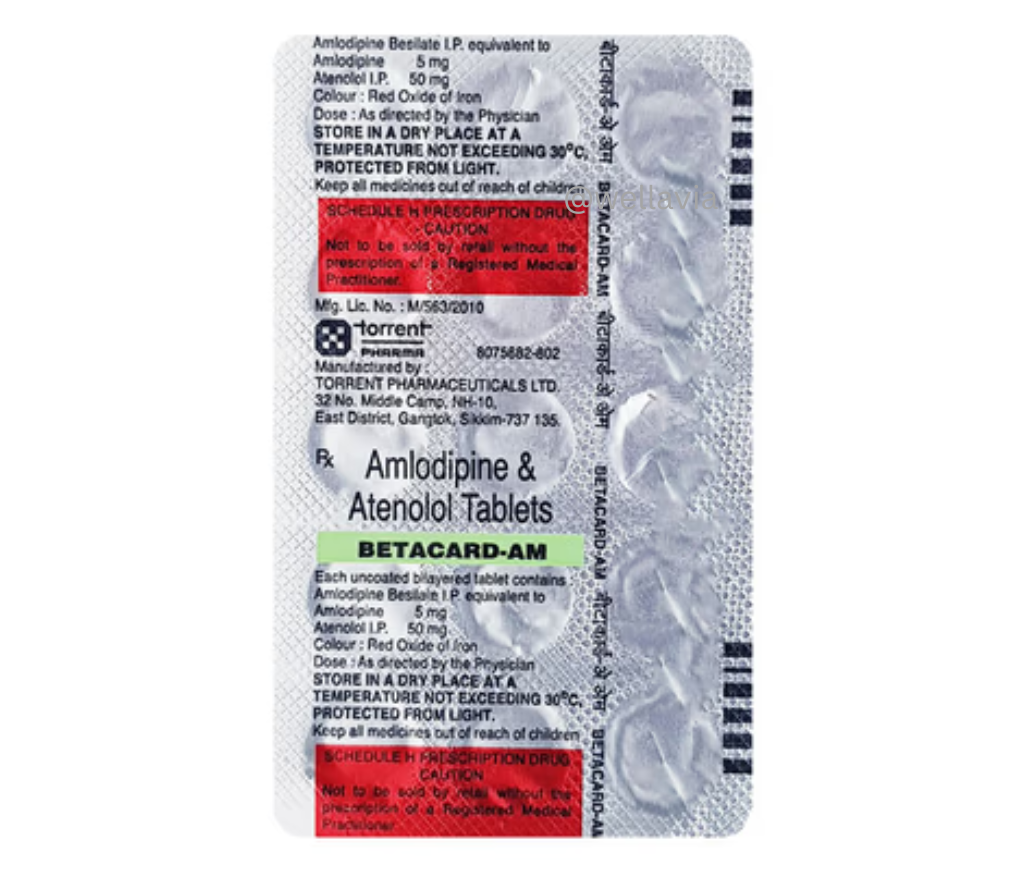
Betacard AM Tablet 15s
TORRENT PHARMACEUTICALS LTD
Rs 37.13
16 % OFF Rs 44.20 -
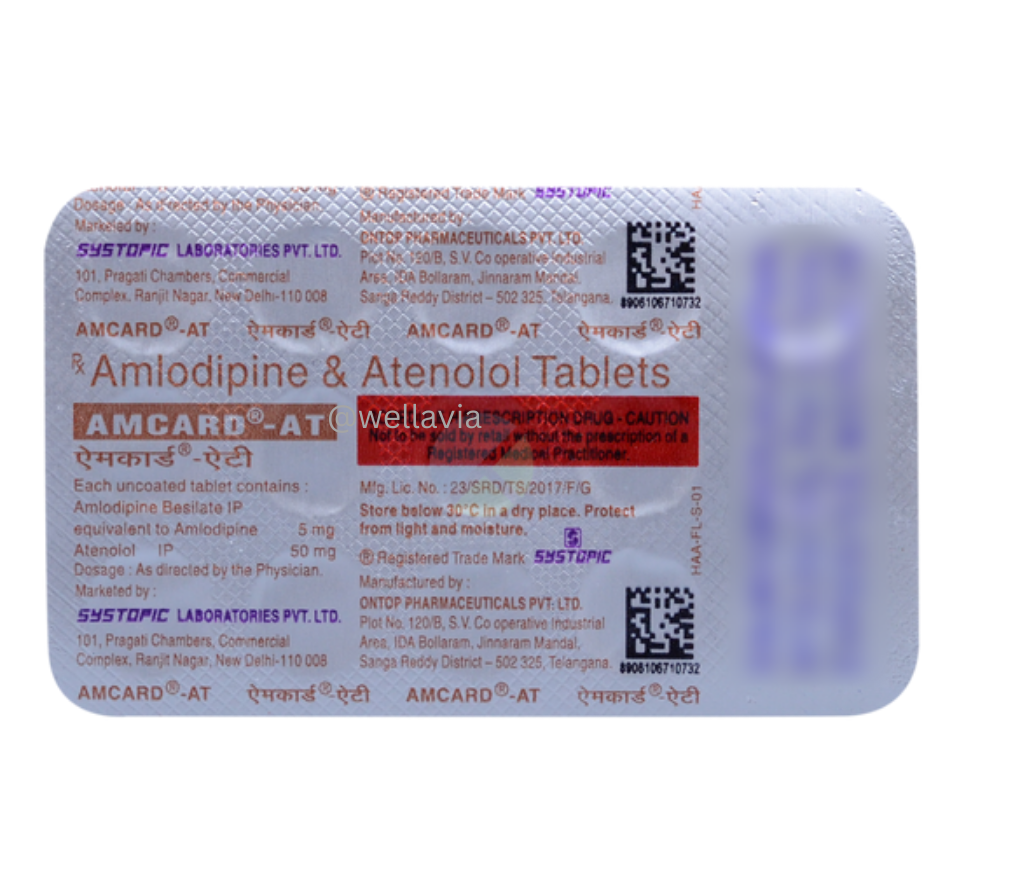
Amcard AT Tablet 15s
SYSTOPIC LABORATORIES PVT LTD
Rs 36.62
15.99 % OFF Rs 43.59 -
Lupidip A Tablet 10s
LUPIN LTD
Rs 46.33
16 % OFF Rs 55.15 -
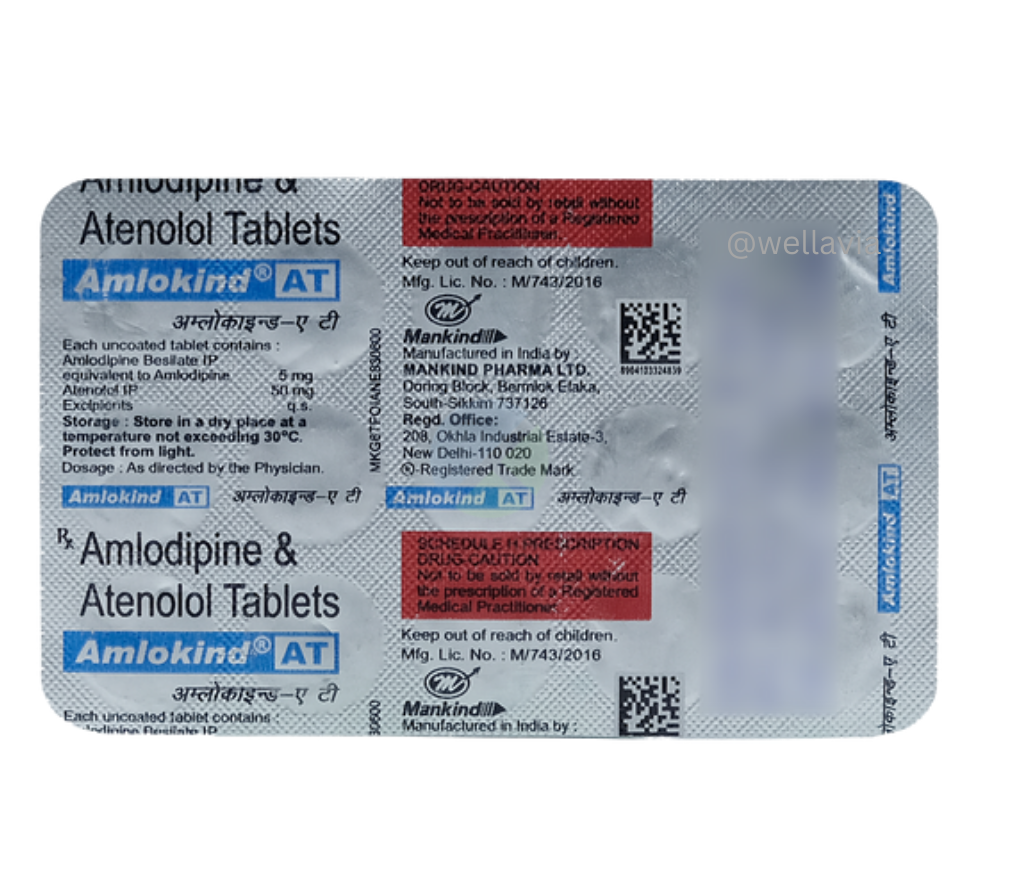
Amlokind AT Tablet 15s
MANKIND PHARMA LTD
Rs 46.72
16 % OFF Rs 55.62 -
Prelo-AT Tablet 10S
MARSHA PHARMA PVT LTD
Rs 59.06
16 % OFF Rs 70.31 -
Primodil AT Tablet 10s
MEDLEY PHARMACEUTICALS PVT LTD
Rs 75.60
16 % OFF Rs 90.00 -
Amvio AT 50mg Tablet 14s
SALUD CARE INDIA PVT LTD
Rs 79.80
16 % OFF Rs 95.00 -
Amlopin AT Tablet 10s
USV LTD
Rs 86.86
16 % OFF Rs 103.40
Uses / Indications: It's important to talk to your doctor or pharmacist before taking Aldo AT 5/50mg tablets, especially if you are taking other medications or have any health concerns.
Drug Interactions:
Other blood pressure medications: Taking Aldo AT with other blood pressure-lowering drugs (like ACE inhibitors, ARBs, or diuretics) can cause your blood pressure to drop too low, leading to dizziness or fainting. Your doctor will need to carefully adjust your dosages.
Potassium supplements or salt substitutes: Aldo AT contains potassium. Taking it with potassium supplements or salt substitutes that also contain potassium can lead to dangerously high potassium levels in your blood.
Lithium: Aldo AT can affect how your body handles lithium, a medication used to treat bipolar disorder. Your doctor will need to monitor your lithium levels carefully.
NSAIDs (Non-Steroidal Anti-Inflammatory Drugs): Using NSAIDs like ibuprofen or naproxen along with Aldo AT may reduce the effectiveness of Aldo AT in lowering blood pressure.
Digoxin: Aldo AT may increase the levels of digoxin in your blood, potentially leading to side effects.
Food and Lifestyle Interactions:
High-potassium diet: A diet high in potassium can increase the risk of dangerously high potassium levels in your blood when taking Aldo AT. Your doctor might advise you to limit potassium-rich foods.
Alcohol: Alcohol can lower blood pressure and may increase the risk of side effects when taken with Aldo AT. Limit your alcohol intake.
Dehydration: Dehydration can worsen the effects of Aldo AT and increase the risk of low blood pressure. Drink plenty of fluids.
Medical Conditions and Warnings:
Kidney disease: Aldo AT should be used with caution in people with kidney disease, as it can further impair kidney function.
Diabetes: Aldo AT can affect blood sugar levels, so it's important to monitor your blood sugar closely if you have diabetes.
Heart failure: Aldo AT can worsen heart failure in some people. Your doctor will need to carefully assess your condition before prescribing it.
Hyperkalemia (high potassium levels): Aldo AT can cause high potassium levels, which can be dangerous. Your doctor will monitor your potassium levels regularly.
Allergic reactions: Stop taking Aldo AT and seek immediate medical attention if you experience an allergic reaction (such as rash, itching, swelling, difficulty breathing). This is rare but serious.
Pregnancy and breastfeeding: Talk to your doctor before taking Aldo AT if you are pregnant, breastfeeding, or planning to become pregnant.
This list is not exhaustive. Always consult your doctor or pharmacist for personalized advice and to discuss any concerns you may have.
- Product composition:
- Amlodipine(5mg),Atenolol(50mg)
Drug Interactions:
Other blood pressure medications: Taking Aldo AT with other blood pressure-lowering drugs (like ACE inhibitors, ARBs, or diuretics) can cause your blood pressure to drop too low, leading to dizziness or fainting. Your doctor will need to carefully adjust your dosages.
Potassium supplements or salt substitutes: Aldo AT contains potassium. Taking it with potassium supplements or salt substitutes that also contain potassium can lead to dangerously high potassium levels in your blood.
Lithium: Aldo AT can affect how your body handles lithium, a medication used to treat bipolar disorder. Your doctor will need to monitor your lithium levels carefully.
NSAIDs (Non-Steroidal Anti-Inflammatory Drugs): Using NSAIDs like ibuprofen or naproxen along with Aldo AT may reduce the effectiveness of Aldo AT in lowering blood pressure.
Digoxin: Aldo AT may increase the levels of digoxin in your blood, potentially leading to side effects.
Food and Lifestyle Interactions:
High-potassium diet: A diet high in potassium can increase the risk of dangerously high potassium levels in your blood when taking Aldo AT. Your doctor might advise you to limit potassium-rich foods.
Alcohol: Alcohol can lower blood pressure and may increase the risk of side effects when taken with Aldo AT. Limit your alcohol intake.
Dehydration: Dehydration can worsen the effects of Aldo AT and increase the risk of low blood pressure. Drink plenty of fluids.
Medical Conditions and Warnings:
Kidney disease: Aldo AT should be used with caution in people with kidney disease, as it can further impair kidney function.
Diabetes: Aldo AT can affect blood sugar levels, so it's important to monitor your blood sugar closely if you have diabetes.
Heart failure: Aldo AT can worsen heart failure in some people. Your doctor will need to carefully assess your condition before prescribing it.
Hyperkalemia (high potassium levels): Aldo AT can cause high potassium levels, which can be dangerous. Your doctor will monitor your potassium levels regularly.
Allergic reactions: Stop taking Aldo AT and seek immediate medical attention if you experience an allergic reaction (such as rash, itching, swelling, difficulty breathing). This is rare but serious.
Pregnancy and breastfeeding: Talk to your doctor before taking Aldo AT if you are pregnant, breastfeeding, or planning to become pregnant.
This list is not exhaustive. Always consult your doctor or pharmacist for personalized advice and to discuss any concerns you may have.
- Pregnancy interaction:
- Aldo AT 5/50mg Tablet 10s, containing spironolactone and amiloride, is a medication used to treat certain conditions. Its use during pregnancy is complex and requires careful consideration due to potential risks to the developing fetus. Therefore, it should only be used under strict medical supervision.
Safety: Aldo AT 5/50mg is generally considered unsafe for use during pregnancy, especially in the first trimester. Both spironolactone and amiloride can potentially harm the developing fetus. The risks outweigh the benefits in most cases.
Purpose: This medication is primarily used to treat fluid retention (edema) and high blood pressure (hypertension). However, alternative treatments are usually preferred during pregnancy due to the potential risks associated with Aldo AT. It might be considered in very rare, exceptional circumstances where the benefits clearly outweigh the risks, and only under the close supervision of a specialist.
Medical Supervision: It is crucial to consult with a doctor or other qualified healthcare professional before taking Aldo AT during pregnancy or while planning a pregnancy. They can assess the individual risks and benefits, explore safer alternatives, and monitor the pregnancy closely if its use is deemed absolutely necessary. Self-medicating with this drug during pregnancy is strongly discouraged and potentially dangerous.
- Expert advice:
- Expert Advice: Aldo AT 5/50mg Tablet 10s
Take as prescribed: Always follow your doctor's instructions precisely regarding dosage and frequency. Do not adjust the dosage or stop taking the medication without consulting your physician.
Timing of administration: Take the tablet with a meal to minimize potential stomach upset. Consistent timing (e.g., same time each day) is crucial for maintaining consistent blood levels.
Hydration: Drink plenty of fluids throughout the day while taking this medication.
Dietary considerations: Discuss any dietary restrictions or modifications with your doctor, especially if you have specific dietary needs or concerns.
Alcohol avoidance: Avoid alcohol consumption while taking Aldo AT, as it can interact negatively with the medication and increase the risk of side effects.
Regular monitoring: Attend all scheduled follow-up appointments with your doctor to monitor your blood pressure and overall health. Regular blood tests may be necessary.
Medication interactions: Inform your doctor of all other medications you are taking, including over-the-counter drugs, herbal supplements, and vitamins, as interactions can occur.
Potential side effects: Be aware of potential side effects such as dizziness, lightheadedness, headache, or cough. If you experience any severe or persistent side effects, contact your doctor immediately.
Driving and operating machinery: Avoid driving or operating machinery if you experience dizziness or lightheadedness.
Pregnancy and breastfeeding: Consult your doctor before taking this medication if you are pregnant, breastfeeding, or planning to become pregnant.
Storage: Store the medication in a cool, dry place, away from direct sunlight and out of reach of children.
Missed dose: If you miss a dose, take it as soon as you remember, unless it is almost time for your next dose. Do not double the dose.
Allergic reactions: Seek immediate medical attention if you experience any signs of an allergic reaction, such as rash, swelling, or difficulty breathing.
Sudden discontinuation: Abruptly stopping this medication can be harmful. Always taper off the medication as directed by your doctor.
Disclaimer: This information is for general knowledge and does not constitute medical advice. Always consult your physician or pharmacist for any health concerns or before making any decisions related to your health or treatment.
- Side Effects:
- Aldo AT 5/50mg Tablet 10s, like all medications, can have side effects. Some are common and mild, while others are serious and require immediate medical attention.
Common Side Effects:
Headache
Dizziness
Flushing (redness of the skin)
Swelling in the ankles or feet
Nausea
Stomach upset
Changes in bowel habits (constipation or diarrhea)
Serious Side Effects that require medical attention:
Chest pain
Shortness of breath
Irregular heartbeat
Severe allergic reactions (rash, hives, swelling of the face, lips, tongue, or throat, difficulty breathing)
Sudden weight gain
Swelling in your legs or feet
Severe dizziness or fainting
Yellowing of the skin or eyes (jaundice)
Muscle pain or weakness
Dark urine
Note: This is not an exhaustive list of all possible side effects. If you experience any other unusual symptoms, contact your doctor or pharmacist immediately.
- How to use:
- How To Use Aldo AT 5/50mg Tablet 10s:
Take the tablet as prescribed by your doctor. Do not change the dosage or stop taking it without consulting your doctor.
Swallow the tablet whole with a glass of water. Do not crush, chew, or break the tablet.
The best time to take Aldo AT is usually once daily. Your doctor will advise you on the optimal time for your individual needs. It may be taken with or without food, but consistency is key. Follow your doctor's instructions.
If you miss a dose, take it as soon as you remember, unless it is almost time for your next dose. Do not take a double dose to make up for a missed one.
Store the tablets in a cool, dry place, away from direct sunlight and moisture. Keep them out of reach of children.
If you experience any side effects, contact your doctor or pharmacist immediately.
Do not share your medication with others. This medication is prescribed specifically for you.
Always check the expiry date before using the tablets. Discard expired medication appropriately.
- How it works:
- Aldo AT 5/50mg tablets help control high blood pressure and reduce the risk of heart problems.
Amlodipine (5mg): This is a calcium channel blocker. Imagine your blood vessels as pipes. Amlodipine helps relax and widen these "pipes," making it easier for blood to flow. This lowers your blood pressure.
Atenolol (50mg): This is a beta-blocker. It slows down your heart rate and reduces the force of your heartbeat. This also helps lower your blood pressure and reduces the strain on your heart.
Together, amlodipine and atenolol work in slightly different ways to lower your blood pressure more effectively than either drug would alone. Amlodipine widens the blood vessels, and atenolol reduces the heart's workload, resulting in a more comprehensive approach to blood pressure management.
- Faq for medicine:
- What is Aldo AT 5/50mg Tablet used for?
Aldo AT 5/50mg Tablet is used to treat high blood pressure (hypertension). It contains two medicines that work together to lower blood pressure.
How should I take Aldo AT 5/50mg Tablet?
Take one tablet once a day, as prescribed by your doctor. It's usually best to take it at the same time each day, with or without food. Always follow your doctor's instructions carefully.
What are the common side effects of Aldo AT 5/50mg Tablet?
Common side effects can include dizziness, headache, lightheadedness, and a dry cough. These usually are mild and temporary. If you experience any side effects that worry you, or that don't go away, talk to your doctor.
What should I do if I miss a dose of Aldo AT 5/50mg Tablet?
If you miss a dose, take it as soon as you remember, unless it's almost time for your next dose. Don't take two doses at once to make up for a missed dose.
Are there any precautions I should take while using Aldo AT 5/50mg Tablet?
You should tell your doctor about all your medical conditions, including kidney problems, liver problems, and if you are pregnant or breastfeeding. Also inform your doctor about all other medications you are taking, including over-the-counter medicines and herbal supplements, as they may interact with Aldo AT. Avoid alcohol while taking this medication.
Can I stop taking Aldo AT 5/50mg Tablet suddenly?
No, you should not stop taking Aldo AT 5/50mg Tablet suddenly. Stopping abruptly can cause your blood pressure to rise suddenly. Always talk to your doctor before stopping this medication, even if you feel better. They will help you gradually reduce your dose.
- Medicine interaction:
- It's crucial to tell your doctor about all the medications, supplements, and even herbal remedies you're taking, including over-the-counter drugs. This is because many substances can interact with Aldo AT (assuming this refers to a medication containing alprazolam and atenolol, a combination not typically found together commercially; this response is for informational purposes only and should not be considered medical advice). These interactions can either make the medicine less effective, make it more effective (potentially leading to side effects), or cause entirely new problems. Always consult your doctor or pharmacist before starting or stopping any medication.
Potential interactions with Aldo AT (hypothetical alprazolam/atenolol combination) components may include:
Other central nervous system depressants: This includes other sedatives, tranquilizers, sleeping pills, pain relievers (especially opioids), and alcohol. These can increase the sedative effects of alprazolam, leading to excessive drowsiness, dizziness, and impaired coordination.
Grapefruit juice: Grapefruit juice can interfere with the metabolism of many medications, potentially increasing their blood levels and intensifying their effects or side effects. This applies to both alprazolam and atenolol.
Certain antidepressants (e.g., MAO inhibitors): Combining alprazolam with MAO inhibitors can cause a dangerous increase in blood pressure and other serious side effects. This interaction requires careful monitoring and may necessitate avoiding the combination.
Beta-blockers (if atenolol is the primary component): While Aldo AT hypothetically contains atenolol, adding other beta-blockers could lead to additive effects, potentially lowering blood pressure excessively.
Digoxin: Atenolol can increase the levels of digoxin in the blood, leading to an increased risk of digoxin toxicity.
Nonsteroidal anti-inflammatory drugs (NSAIDs): NSAIDs may reduce the effectiveness of atenolol in lowering blood pressure.
Diuretics (water pills): Combining diuretics with atenolol can increase the risk of low blood pressure and electrolyte imbalances.
Potassium supplements: Atenolol can affect potassium levels in the body; combining it with potassium supplements could lead to dangerously high potassium levels.
This list is not exhaustive. Always consult a healthcare professional for personalized advice on potential drug interactions. They can assess your specific situation and advise you on the safest course of action.