
Amodep AT Tablet 15s
 Item requires a valid prescription
Manufactured By FDC LTD
Composition Amlodipine(5mg),Atenolol(50mg)
Rs 35.53
MRP Rs 42.30
(16% OFF)
Includes all taxes
Package SIZE
( 1 Pcs )

100% Authentic
Products

Free
Shipping*

Products
Return Policy
Available Substitutes
-
Angicam Beta Tablet 15s
BLUE CROSS LABORATORIES LTD
Rs 31.50
16 % OFF Rs 37.50 -
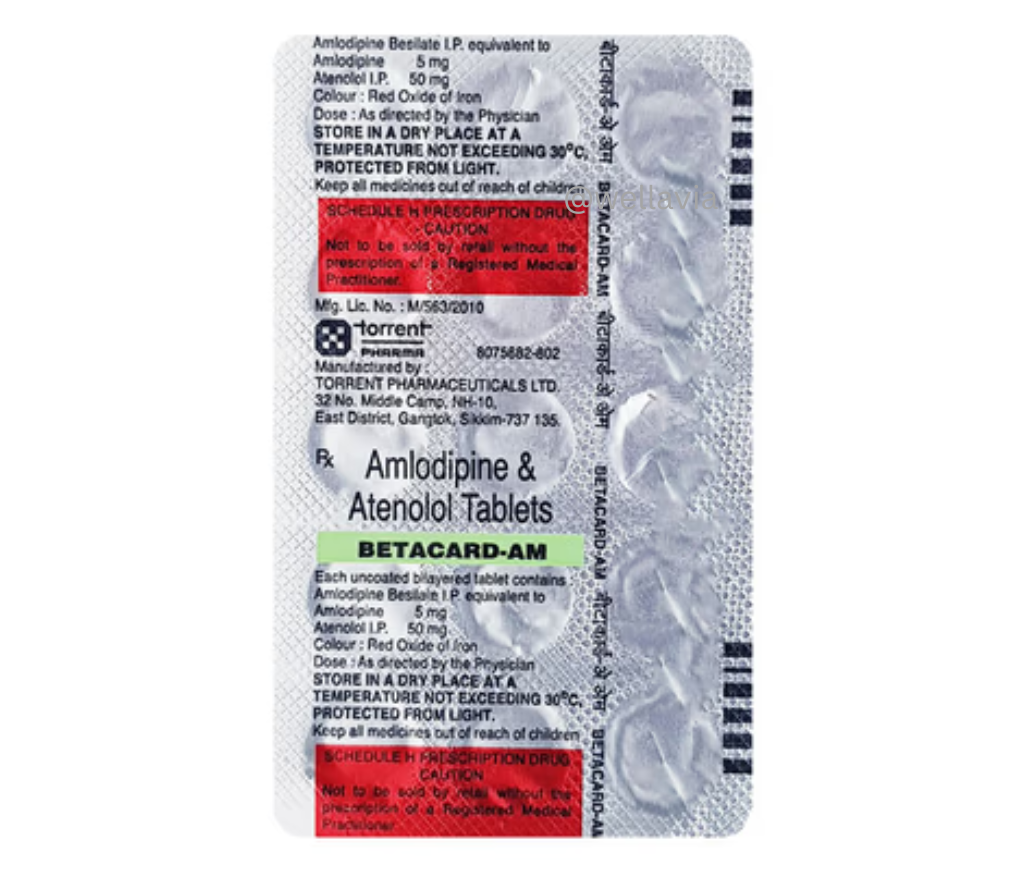
Betacard AM Tablet 15s
TORRENT PHARMACEUTICALS LTD
Rs 37.13
16 % OFF Rs 44.20 -
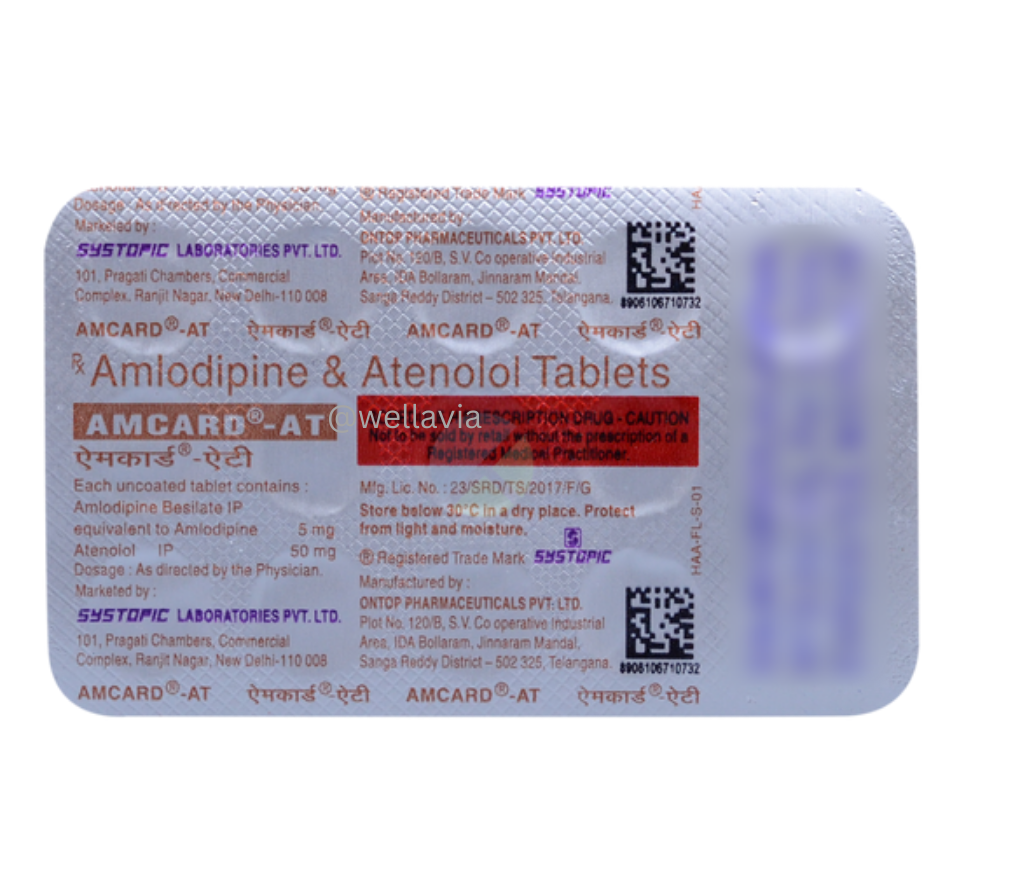
Amcard AT Tablet 15s
SYSTOPIC LABORATORIES PVT LTD
Rs 36.62
15.99 % OFF Rs 43.59 -
Lupidip A Tablet 10s
LUPIN LTD
Rs 46.33
16 % OFF Rs 55.15 -
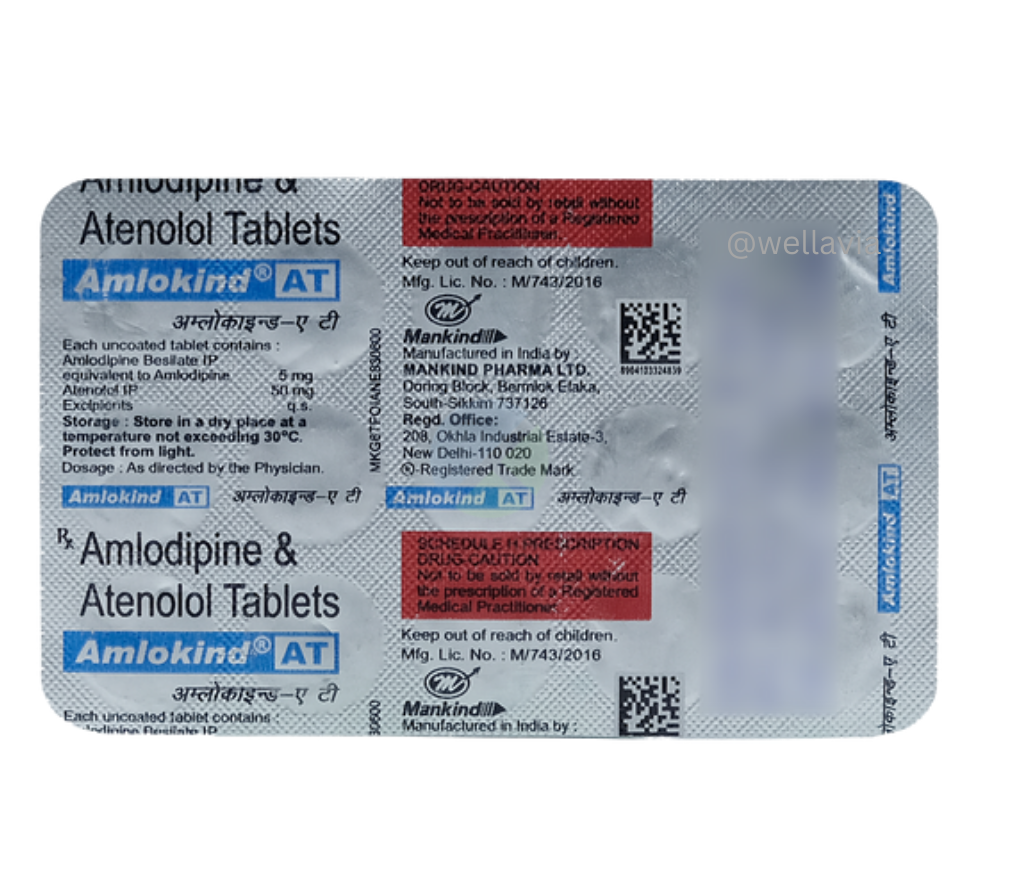
Amlokind AT Tablet 15s
MANKIND PHARMA LTD
Rs 46.72
16 % OFF Rs 55.62 -
Aldo AT 5/50mg Tablet 10s
GENERAL
Rs 45.91
16.01 % OFF Rs 54.66 -
Prelo-AT Tablet 10S
MARSHA PHARMA PVT LTD
Rs 59.06
16 % OFF Rs 70.31 -
Primodil AT Tablet 10s
MEDLEY PHARMACEUTICALS PVT LTD
Rs 75.60
16 % OFF Rs 90.00 -
Amvio AT 50mg Tablet 14s
SALUD CARE INDIA PVT LTD
Rs 79.80
16 % OFF Rs 95.00 -
Amlopin AT Tablet 10s
USV LTD
Rs 86.86
16 % OFF Rs 103.40
Uses / Indications: It's always best to talk to your doctor or pharmacist before starting Amodep AT tablets, especially if you are taking other medications or have any health concerns.
Drug Interactions:
Other Blood Pressure Medications: Taking Amodep AT with other blood pressure lowering drugs (like ACE inhibitors, ARBs, or diuretics) can cause your blood pressure to drop too low, leading to dizziness or fainting. Your doctor will need to carefully monitor your blood pressure and adjust your dosages.
Potassium Supplements or Potassium-Rich Foods: Amodep AT contains a potassium-sparing diuretic. Combining it with potassium supplements or eating a lot of potassium-rich foods can lead to dangerously high potassium levels in your blood.
NSAIDs (Non-Steroidal Anti-inflammatory Drugs): Taking Amodep AT with NSAIDs like ibuprofen or naproxen can reduce the effectiveness of Amodep AT in lowering blood pressure.
Lithium: Amodep AT can increase lithium levels in your blood, potentially leading to side effects. Your doctor will need to monitor your lithium levels carefully.
Food and Lifestyle Interactions:
Alcohol: Alcohol can worsen the blood pressure-lowering effects of Amodep AT, increasing the risk of dizziness and fainting. Limit alcohol consumption while taking this medication.
High-Sodium Diet: A diet high in salt can counteract the effects of Amodep AT. Following a low-sodium diet is important for optimal blood pressure control.
Dehydration: Dehydration can increase the risk of side effects from Amodep AT. Drink plenty of fluids while taking this medication.
Medical Conditions and Warnings:
Kidney Disease: Amodep AT should be used with caution in people with kidney problems, as it can further impair kidney function. Your doctor will need to monitor your kidney function regularly.
Liver Disease: Amodep AT should be used cautiously in people with liver disease, as it may not be processed properly by the liver.
Diabetes: Amodep AT may affect blood sugar levels. People with diabetes should monitor their blood sugar closely while taking this medication.
Allergic Reactions: Stop taking Amodep AT and seek immediate medical attention if you experience an allergic reaction such as rash, swelling, difficulty breathing, or hives.
Pregnancy and Breastfeeding: Amodep AT is generally not recommended during pregnancy or breastfeeding. Discuss this with your doctor.
This information is not exhaustive. Always consult your doctor or pharmacist for complete and personalized advice.
- Product composition:
- Amlodipine(5mg),Atenolol(50mg)
Drug Interactions:
Other Blood Pressure Medications: Taking Amodep AT with other blood pressure lowering drugs (like ACE inhibitors, ARBs, or diuretics) can cause your blood pressure to drop too low, leading to dizziness or fainting. Your doctor will need to carefully monitor your blood pressure and adjust your dosages.
Potassium Supplements or Potassium-Rich Foods: Amodep AT contains a potassium-sparing diuretic. Combining it with potassium supplements or eating a lot of potassium-rich foods can lead to dangerously high potassium levels in your blood.
NSAIDs (Non-Steroidal Anti-inflammatory Drugs): Taking Amodep AT with NSAIDs like ibuprofen or naproxen can reduce the effectiveness of Amodep AT in lowering blood pressure.
Lithium: Amodep AT can increase lithium levels in your blood, potentially leading to side effects. Your doctor will need to monitor your lithium levels carefully.
Food and Lifestyle Interactions:
Alcohol: Alcohol can worsen the blood pressure-lowering effects of Amodep AT, increasing the risk of dizziness and fainting. Limit alcohol consumption while taking this medication.
High-Sodium Diet: A diet high in salt can counteract the effects of Amodep AT. Following a low-sodium diet is important for optimal blood pressure control.
Dehydration: Dehydration can increase the risk of side effects from Amodep AT. Drink plenty of fluids while taking this medication.
Medical Conditions and Warnings:
Kidney Disease: Amodep AT should be used with caution in people with kidney problems, as it can further impair kidney function. Your doctor will need to monitor your kidney function regularly.
Liver Disease: Amodep AT should be used cautiously in people with liver disease, as it may not be processed properly by the liver.
Diabetes: Amodep AT may affect blood sugar levels. People with diabetes should monitor their blood sugar closely while taking this medication.
Allergic Reactions: Stop taking Amodep AT and seek immediate medical attention if you experience an allergic reaction such as rash, swelling, difficulty breathing, or hives.
Pregnancy and Breastfeeding: Amodep AT is generally not recommended during pregnancy or breastfeeding. Discuss this with your doctor.
This information is not exhaustive. Always consult your doctor or pharmacist for complete and personalized advice.
- Pregnancy interaction:
- Amodep AT tablets, containing amlodipine and atenolol, are a combination of blood pressure medications. Their use during pregnancy is complex and requires careful consideration. It's crucial to understand that self-medicating with this or any medication during pregnancy is extremely dangerous.
Safety: Amodep AT is generally considered unsafe for use during pregnancy, especially in the first trimester. Both amlodipine and atenolol can pose risks to the developing fetus. The specific risks vary depending on the dosage and gestational age.
Purpose: This medication is used to control high blood pressure (hypertension). However, managing hypertension during pregnancy usually requires specialized medication and close monitoring due to the potential impact on both mother and baby. Amodep AT is not typically the first-line treatment for pregnancy-induced hypertension.
Medical Supervision: The use of Amodep AT during pregnancy necessitates constant medical supervision by a qualified healthcare professional. They will assess the risks and benefits, consider alternative treatments, and closely monitor both the mother's blood pressure and the fetus's well-being. Self-treating hypertension during pregnancy can lead to serious complications. The doctor will weigh the risks of untreated hypertension against the potential risks of the medication.
Alternatives: There are other medications considered safer for use during pregnancy to manage hypertension. Your doctor will choose the most appropriate treatment based on your individual circumstances.
- Expert advice:
- Expert Advice: Amodep AT Tablet 15s
Take as prescribed: Strictly adhere to the dosage and frequency prescribed by your doctor. Do not alter the dosage or stop taking the medication without consulting your physician.
Timing of administration: Take the tablet with food to minimize stomach upset. Follow your doctor's specific instructions regarding the timing of your dose (e.g., before or after meals).
Complete the course: Finish the entire course of medication, even if you feel better before the prescribed duration is complete. Stopping early may lead to recurrence of infection or incomplete treatment.
Hydration is key: Drink plenty of fluids while taking Amodep AT to aid in the excretion of the medication and prevent dehydration.
Dietary considerations: Avoid alcohol consumption while taking this medication as it can increase the risk of liver damage. Consult your doctor about any dietary restrictions or modifications necessary.
Potential side effects: Be aware of potential side effects such as nausea, vomiting, diarrhea, or allergic reactions. Contact your doctor immediately if you experience any severe or persistent side effects.
Drug interactions: Inform your doctor about all other medications you are currently taking, including over-the-counter drugs, herbal remedies, and supplements. Amodep AT may interact with other medications.
Pregnancy and breastfeeding: Discuss the use of Amodep AT with your doctor if you are pregnant, breastfeeding, or planning to become pregnant. This medication may not be suitable for all individuals in these circumstances.
Liver and kidney function: Individuals with pre-existing liver or kidney disease should inform their doctor before taking Amodep AT, as dosage adjustments may be necessary.
Allergic reactions: If you have a known allergy to amoxicillin, clavulanate potassium, or any other penicillin-type antibiotics, do not take this medication. Seek immediate medical attention if you experience an allergic reaction (e.g., rash, swelling, difficulty breathing).
Regular monitoring: Your doctor may schedule follow-up appointments to monitor your progress and assess the effectiveness of the treatment. Attend these appointments as scheduled.
Missed dose: If you miss a dose, take it as soon as you remember, unless it is almost time for your next dose. Do not take a double dose to make up for a missed one.
This information is for general guidance only and does not replace professional medical advice. Always consult your doctor or pharmacist for personalized recommendations and to address any specific concerns.
- Side Effects:
- Amodep AT Tablets can cause several side effects, some common and others requiring immediate medical attention.
Common Side Effects:
Dizziness
Headache
Nausea
Vomiting
Diarrhea
Constipation
Stomach upset
Dry mouth
Serious Side Effects that require medical attention:
Severe allergic reactions (e.g., rash, swelling of the face, lips, tongue, or throat, difficulty breathing)
Irregular heartbeat
Chest pain
Severe dizziness or fainting
Yellowing of the skin or eyes (jaundice)
Dark urine
Clay-colored stools
Sudden weight gain
Swelling in your ankles or legs
Persistent cough or shortness of breath
Note: This is not an exhaustive list of all possible side effects. If you experience any other unusual symptoms, contact your doctor or pharmacist immediately.
- How to use:
- Take this medicine exactly as your doctor has told you. Do not change the dose or stop taking it without talking to your doctor first.
Swallow the tablet whole with a glass of water. Do not chew or crush the tablet.
The best time to take Amodep AT is usually with food. This helps to reduce any stomach upset. Follow your doctor's specific instructions.
Take the tablets at roughly the same time each day. This helps maintain a consistent level of medicine in your body.
If you miss a dose, take it as soon as you remember. If it is almost time for your next dose, skip the missed dose and take the next one as scheduled. Do not take a double dose to make up for a missed one.
Store the tablets in a cool, dry place, away from direct sunlight and moisture. Keep them out of reach of children.
If you experience any unexpected side effects, such as allergic reactions (rash, itching, swelling), severe stomach pain, or unusual bleeding, stop taking the medicine and contact your doctor immediately.
This information is for general guidance only. Always follow the instructions provided by your doctor or pharmacist. They will be able to give you specific advice tailored to your needs.
- How it works:
- Amodep AT tablets help control high blood pressure and reduce fluid retention in the body.
Amlodipine: This is a type of medicine called a calcium channel blocker. It works by relaxing and widening your blood vessels. This makes it easier for your heart to pump blood, lowering your blood pressure. Think of it as making your blood vessels less tight, allowing blood to flow more smoothly.
Atenolol: This is a beta-blocker. It slows down your heart rate and reduces the force of your heart's contractions. This also helps lower your blood pressure. It works by calming down your heart's activity.
Hydrochlorothiazide: This is a diuretic, also known as a "water pill." It helps your body get rid of excess salt and water through your urine. Reducing the amount of fluid in your body helps lower your blood pressure.
Together, these three ingredients work in different ways to effectively control high blood pressure. Amlodipine relaxes your blood vessels, atenolol slows your heart rate, and hydrochlorothiazide reduces fluid volume, all contributing to a lower blood pressure reading.
- Faq for medicine:
- What is Amodep AT Tablet 15s used for?
Amodep AT Tablet 15s is used to treat high blood pressure (hypertension) and associated chest pain (angina). It contains two medicines that work together to lower blood pressure and improve blood flow to the heart.
How should I take Amodep AT Tablet 15s?
Take Amodep AT Tablet 15s exactly as prescribed by your doctor. Usually, it's taken once a day, with or without food. Do not change your dose or stop taking the medication without talking to your doctor first. Swallow the tablet whole with a glass of water.
What are the common side effects of Amodep AT Tablet 15s?
Common side effects can include dizziness, headache, lightheadedness, and a dry cough. These usually improve as your body adjusts to the medication. If any side effects bother you or are severe, talk to your doctor.
What should I do if I miss a dose of Amodep AT Tablet 15s?
If you miss a dose, take it as soon as you remember, unless it's almost time for your next dose. Do not take a double dose to make up for a missed one.
Are there any important precautions I should take while using Amodep AT Tablet 15s?
You should inform your doctor about any other medications you are taking, including over-the-counter drugs and herbal remedies, as they may interact with Amodep AT. Avoid alcohol while taking this medication. It's also important to tell your doctor if you have kidney or liver problems.
Should I avoid any food or drinks while taking Amodep AT Tablet 15s?
While you can generally take this medication with or without food, it's best to maintain consistency in your eating habits. As mentioned above, you should avoid alcohol while taking Amodep AT Tablet 15s.
- Medicine interaction:
- It's crucial to tell your doctor about all the medications, supplements, and even herbal remedies you're taking before starting a new prescription, like Amodep AT. This includes over-the-counter drugs. Many substances can interact with medications, potentially reducing their effectiveness, increasing side effects, or causing other harmful consequences. Amodep AT contains amlodipine and atenolol, and these can interact with various other substances. Here are some examples:
Other blood pressure medications: Taking Amodep AT with other blood pressure-lowering drugs (such as other ACE inhibitors, ARBs, beta-blockers, calcium channel blockers, or diuretics) can cause your blood pressure to drop too low, leading to dizziness, fainting, or other problems. This is an additive effect.
Nonsteroidal anti-inflammatory drugs (NSAIDs): NSAIDs like ibuprofen or naproxen can reduce the effectiveness of amlodipine, potentially raising your blood pressure.
Grapefruit juice: Grapefruit juice can interfere with the metabolism of amlodipine, leading to increased levels of the drug in your blood and potentially increasing the risk of side effects.
Alcohol: Alcohol can worsen the blood pressure-lowering effects of Amodep AT, increasing the risk of dizziness and fainting. It can also interact negatively with the atenolol component.
Digoxin: Atenolol in Amodep AT can increase the levels of digoxin in your blood, potentially leading to toxicity.
Insulin or other diabetes medications: Atenolol can mask the symptoms of low blood sugar (hypoglycemia), making it harder to detect and treat.
Sympathomimetics (like epinephrine or pseudoephedrine): These medications, often found in decongestants, can counteract the effects of atenolol.
Certain antidepressants: Some antidepressants may interact with either amlodipine or atenolol, altering their effectiveness or increasing the risk of side effects.
This list is not exhaustive, and other interactions are possible. Always consult your doctor or pharmacist before combining Amodep AT with any other medication, supplement, or herbal remedy.