
Corvadil 5mg Tablet 10s
 Item requires a valid prescription
Manufactured By TORRENT PHARMACEUTICALS LTD
Composition Amlodipine(5mg)
Rs 23.50
MRP Rs 27.98
(16.01% OFF)
Includes all taxes
Package SIZE
( 1 Pcs )

100% Authentic
Products

Free
Shipping*

Products
Return Policy
Available Substitutes
-
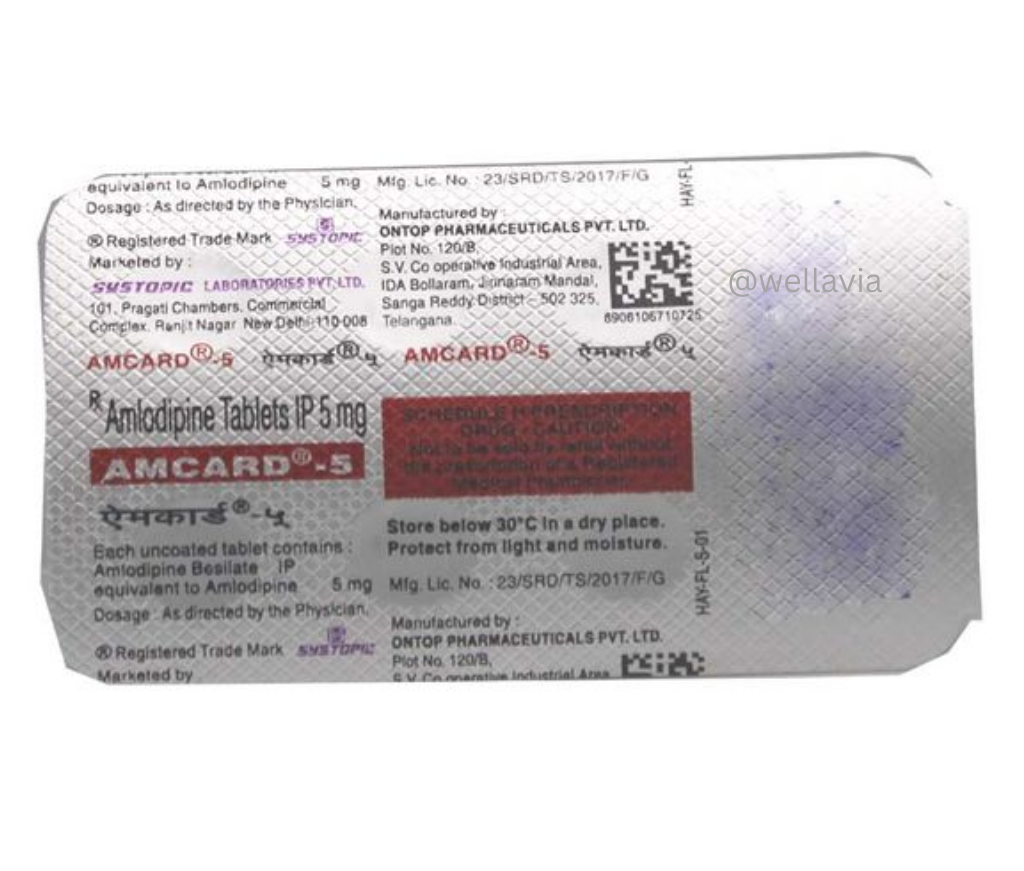
Amcard 5mg Tablet 7s
SYSTOPIC LABORATORIES PVT LTD
Rs 25.13
16.01 % OFF Rs 29.92 -
Amodep 5mg Tablet 15s
FDC LTD
Rs 16.20
15.98 % OFF Rs 19.28 -
Angicam 5mg Tablet 15s
BLUE CROSS LABORATORIES LTD
Rs 21.26
16 % OFF Rs 25.31 -
Primodil 5mg Tablet 10s
MEDLEY PHARMACEUTICALS PVT LTD
Rs 22.33
15.99 % OFF Rs 26.58 -
Lama 5mg Tablet 10s
STADMED PVT. LTD
Rs 23.52
16 % OFF Rs 28.00 -
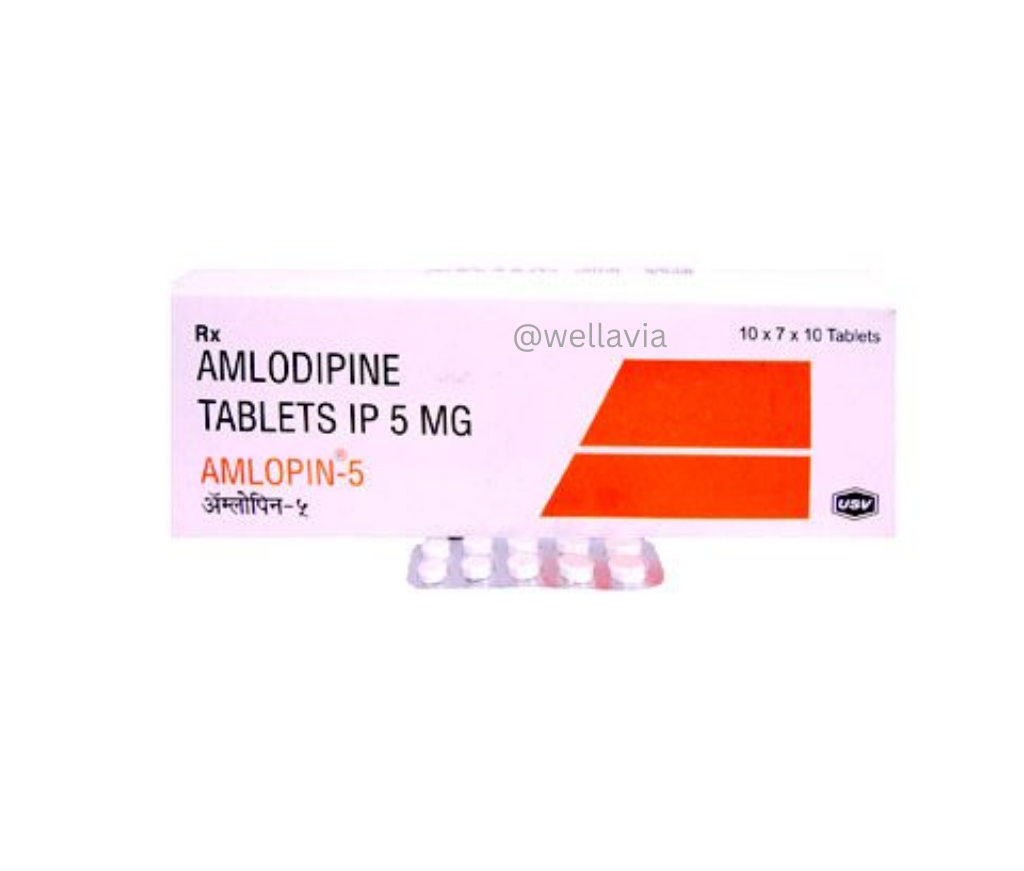
Amlopin 5mg Tablet 10s
USV LTD
Rs 22.05
16 % OFF Rs 26.25 -
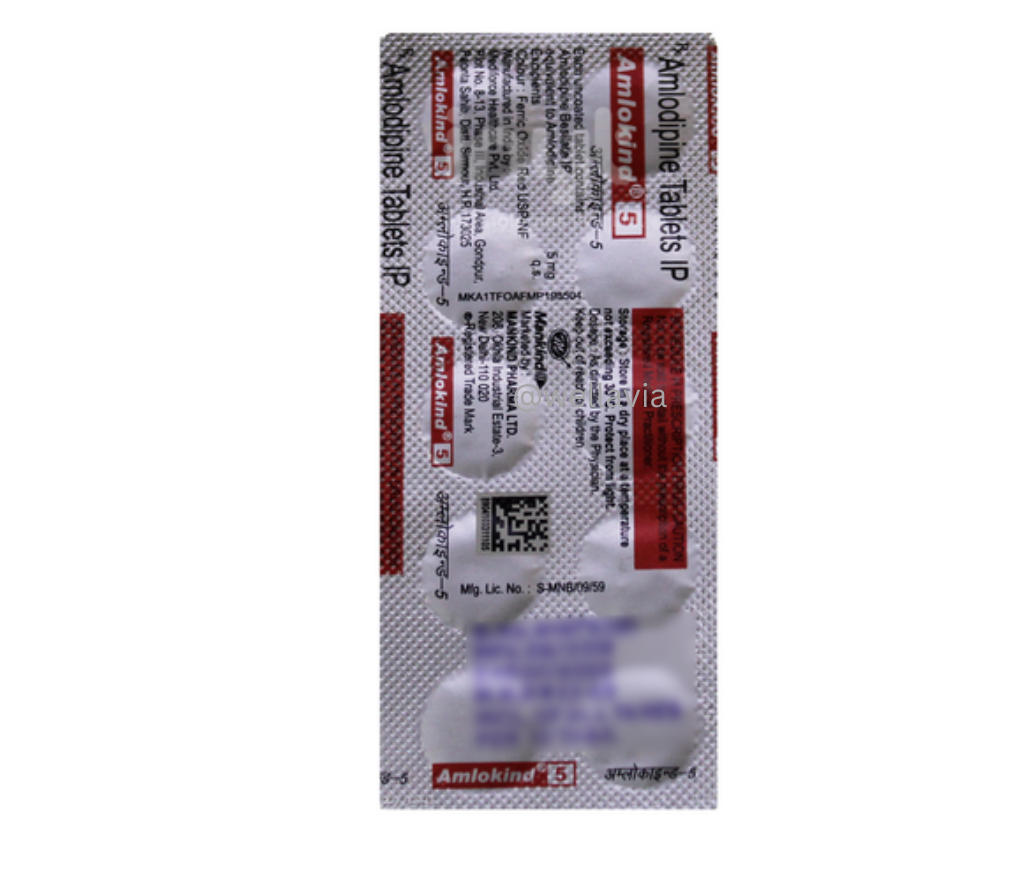
Amlokind 5mg Tablet 15s
MANKIND PHARMA LTD
Rs 19.88
16.01 % OFF Rs 23.67 -
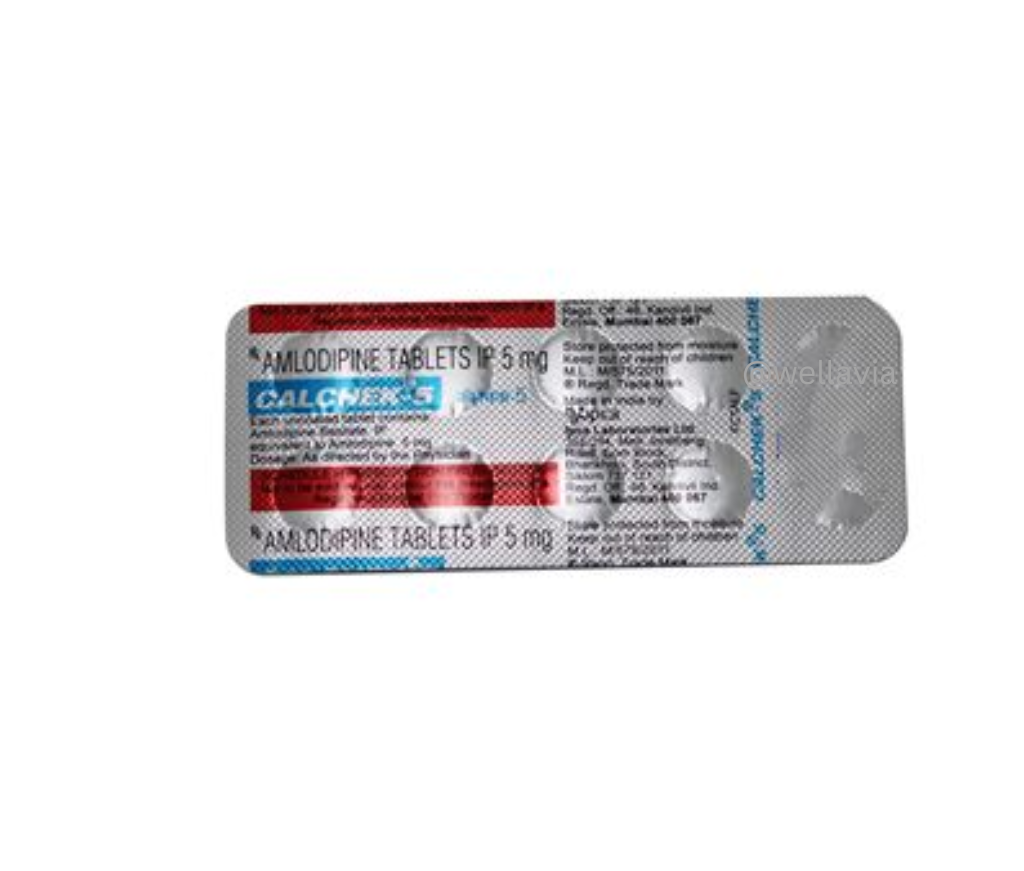
Calchek 5mg Tablet 10s
IPCA LABORATORIES LTD
Rs 22.40
16.01 % OFF Rs 26.67 -
Prelo 5 mg Tablet 10s
MARSHA PHARMA PVT LTD
Rs 23.47
12 % OFF Rs 26.67 -
Lupidip 5mg Tablet 10s
LUPIN LTD
Rs 23.48
16 % OFF Rs 27.95
Uses / Indications: It's always best to talk to your doctor or pharmacist before starting Corvadil 5mg or changing your medication routine. They can help you understand potential interactions and risks specific to your health.
Drug Interactions:
Other Heart Medications: Corvadil, being a heart medication, can interact negatively with other drugs used for the heart, blood pressure, or circulation. Taking them together could lead to dangerously low blood pressure or irregular heartbeat. Always tell your doctor about all the medicines you are taking.
Diuretics (Water Pills): Combining Corvadil with diuretics can increase the risk of low blood pressure and dizziness. Your doctor will monitor you carefully if you're taking both.
Alcohol: Alcohol can enhance the blood pressure-lowering effects of Corvadil, potentially leading to dizziness, lightheadedness, or fainting. Avoid excessive alcohol consumption while taking this medication.
Food and Lifestyle Interactions:
Grapefruit Juice: Grapefruit juice can interfere with the breakdown of Corvadil in your body, potentially increasing its levels in your blood and causing side effects. Avoid drinking grapefruit juice while taking this medicine.
High-Sodium Diet: A diet high in salt can counteract the blood pressure-lowering effects of Corvadil. Following a low-sodium diet is recommended while taking this medication.
Exercise: While exercise is generally good for your health, strenuous exercise can sometimes interact with blood pressure medications. Talk to your doctor about the appropriate level of exercise for you while on Corvadil.
Medical Conditions and Warnings:
Liver or Kidney Problems: If you have liver or kidney problems, Corvadil may not be broken down or removed from your body effectively, increasing the risk of side effects. Your doctor needs to know about any such conditions.
Heart Failure: Corvadil can worsen heart failure in some people. Your doctor will carefully assess your suitability for this medication if you have a history of heart failure.
Allergic Reactions: Some people may experience allergic reactions to Corvadil, such as rash, itching, or swelling. Stop taking the medicine and seek immediate medical attention if you experience any allergic reaction.
- Product composition:
- Amlodipine(5mg)
Drug Interactions:
Other Heart Medications: Corvadil, being a heart medication, can interact negatively with other drugs used for the heart, blood pressure, or circulation. Taking them together could lead to dangerously low blood pressure or irregular heartbeat. Always tell your doctor about all the medicines you are taking.
Diuretics (Water Pills): Combining Corvadil with diuretics can increase the risk of low blood pressure and dizziness. Your doctor will monitor you carefully if you're taking both.
Alcohol: Alcohol can enhance the blood pressure-lowering effects of Corvadil, potentially leading to dizziness, lightheadedness, or fainting. Avoid excessive alcohol consumption while taking this medication.
Food and Lifestyle Interactions:
Grapefruit Juice: Grapefruit juice can interfere with the breakdown of Corvadil in your body, potentially increasing its levels in your blood and causing side effects. Avoid drinking grapefruit juice while taking this medicine.
High-Sodium Diet: A diet high in salt can counteract the blood pressure-lowering effects of Corvadil. Following a low-sodium diet is recommended while taking this medication.
Exercise: While exercise is generally good for your health, strenuous exercise can sometimes interact with blood pressure medications. Talk to your doctor about the appropriate level of exercise for you while on Corvadil.
Medical Conditions and Warnings:
Liver or Kidney Problems: If you have liver or kidney problems, Corvadil may not be broken down or removed from your body effectively, increasing the risk of side effects. Your doctor needs to know about any such conditions.
Heart Failure: Corvadil can worsen heart failure in some people. Your doctor will carefully assess your suitability for this medication if you have a history of heart failure.
Allergic Reactions: Some people may experience allergic reactions to Corvadil, such as rash, itching, or swelling. Stop taking the medicine and seek immediate medical attention if you experience any allergic reaction.
- Pregnancy interaction:
- Corvadil, containing the active ingredient isosorbide mononitrate, is a medication used to treat angina (chest pain). Its use during pregnancy requires careful consideration due to potential risks to both the mother and the developing fetus. Therefore, it should only be used under strict medical supervision.
Safety: Corvadil's safety during pregnancy is not fully established. Limited data suggests potential risks to the developing fetus, particularly in the first trimester. The benefits of using Corvadil must be carefully weighed against these potential risks.
Purpose: Corvadil is primarily used to treat angina in women who experience this condition. However, other, safer treatment options should be explored first during pregnancy whenever possible. It may be considered only if the benefits to the mother significantly outweigh the potential harm to the fetus and if other treatments are ineffective.
Medical Supervision: It is absolutely crucial that any use of Corvadil during pregnancy is under the direct supervision of a physician. The doctor will carefully assess the mother's condition, weigh the risks and benefits, and monitor both the mother and the fetus closely for any adverse effects. Self-medication with Corvadil during pregnancy is strongly discouraged and potentially dangerous. The doctor may recommend alternative treatments or adjust the dosage as needed throughout the pregnancy.
- Expert advice:
- Expert Advice: Corvadil 5mg Tablet (Isosorbide Mononitrate)
Take as prescribed: Strictly adhere to your doctor's prescribed dosage and frequency. Do not adjust the dose or stop taking the medication without consulting your physician.
Timing is crucial: Take Corvadil at the same time each day, preferably in the morning, to maintain consistent blood levels. Avoid taking it at bedtime to prevent nighttime hypotension.
Swallow whole: Do not crush, chew, or break the tablet. Swallow it whole with a glass of water.
Food and alcohol: While food generally doesn't affect Corvadil absorption, maintain a consistent eating pattern. Limit alcohol consumption as it can potentiate the hypotensive effects.
Blood pressure monitoring: Regularly monitor your blood pressure as directed by your doctor. Report any significant changes or concerns immediately.
Headache management: Headaches are a common side effect. Over-the-counter pain relievers may help, but persistent or severe headaches should be reported to your doctor.
Dizziness and lightheadedness: Corvadil can cause dizziness, especially when standing up quickly. Rise slowly from a sitting or lying position to minimize this risk.
Driving and machinery: Avoid driving or operating heavy machinery until you know how Corvadil affects you, as it can cause drowsiness or dizziness.
Other medications: Inform your doctor of all medications you are taking, including over-the-counter drugs and herbal supplements, as interactions are possible.
Consult your doctor: Report any new or worsening symptoms, such as chest pain, shortness of breath, swelling in your ankles or feet, or persistent dizziness.
Regular check-ups: Attend all scheduled follow-up appointments with your doctor to monitor your progress and adjust your treatment plan as needed.
Lifestyle changes: Adopt a heart-healthy lifestyle including regular exercise, a balanced diet low in sodium and saturated fats, and stress management techniques. Quitting smoking is crucial.
Storage: Store Corvadil in a cool, dry place away from direct sunlight and moisture, out of reach of children.
Missed dose: If you miss a dose, take it as soon as you remember, unless it's almost time for your next dose. Do not double the dose.
This information is for general guidance only and does not substitute for professional medical advice. Always consult your doctor or pharmacist for personalized advice regarding your specific health condition and medication use.
- Side Effects:
- Corvadil 5mg tablets, like all medications, can cause side effects, although not everyone experiences them. The following lists common and serious side effects. Always consult your doctor if you have concerns.
Common Side Effects:
Headache
Dizziness
Lightheadedness
Flushing (redness of the skin)
Nausea
Fatigue (tiredness)
Serious Side Effects that require medical attention:
Chest pain
Irregular heartbeat (palpitations)
Swelling of the ankles, feet, or legs
Shortness of breath
Severe dizziness or fainting
Allergic reactions (such as rash, itching, swelling of the face, lips, tongue, or throat)
Severe stomach pain
Note: This is not an exhaustive list of all possible side effects. If you experience any other unusual symptoms, contact your doctor or pharmacist immediately.
- How to use:
- Take the tablet as prescribed by your doctor. Do not change the dose or stop taking it without consulting your doctor.
Swallow the tablet whole with a glass of water. Do not crush, chew, or break the tablet.
The best time to take Corvadil 5mg is usually once daily, as directed by your doctor. They may advise you to take it with or without food. Follow their specific instructions.
If you miss a dose, take it as soon as you remember. However, if it is almost time for your next dose, skip the missed dose and take your next dose at the regular time. Do not take a double dose to make up for a missed one.
Store Corvadil 5mg tablets in a cool, dry place, away from direct sunlight and moisture. Keep it out of reach of children.
If you experience any side effects, consult your doctor or pharmacist immediately.
This information is for guidance only. Always follow your doctor's instructions and read the patient information leaflet provided with your medication.
- How it works:
- Corvadil 5mg tablets help to relax and widen your blood vessels, making it easier for your heart to pump blood around your body.
Isosorbide Mononitrate (5mg): This is the main active ingredient in Corvadil. It works by relaxing the muscles in the walls of your blood vessels. This widening, or dilation, of your blood vessels reduces the pressure your heart has to work against, making it easier for your heart to pump blood. It also helps improve blood flow to your heart muscle.
No other active ingredients are listed: Corvadil 5mg tablets contain only isosorbide mononitrate as an active ingredient. Any other ingredients listed on the packaging are inactive and are used to help make the tablet.
In short, Corvadil helps your heart work more efficiently by lowering your blood pressure and improving blood flow.
- Faq for medicine:
- What is Corvadil 5mg Tablet used for?
Corvadil 5mg tablets contain isosorbide mononitrate, which is used to treat angina (chest pain). It works by relaxing blood vessels, making it easier for your heart to pump blood.
How should I take Corvadil 5mg Tablets?
Follow your doctor's instructions exactly. The usual dose is one tablet once or twice a day, but this can vary. It's usually best to take it at the same time(s) each day. Swallow the tablet whole with a glass of water. Do not crush or chew the tablet.
What are the common side effects of Corvadil 5mg Tablets?
Common side effects can include headache, dizziness, flushing (redness of the face), and nausea. These are usually mild and temporary. If you experience any side effects that worry you, or that don't go away, talk to your doctor or pharmacist.
What should I do if I miss a dose of Corvadil 5mg Tablets?
If you miss a dose, take it as soon as you remember unless it's almost time for your next dose. Do not take a double dose to make up for a missed one.
Are there any precautions I should take while using Corvadil 5mg Tablets?
Yes. Tell your doctor about all your medical conditions, including if you have low blood pressure, liver or kidney problems, or are taking other medications. Avoid drinking alcohol while taking Corvadil. This medicine can cause dizziness, so avoid driving or operating machinery until you know how it affects you.
Should I stop taking Corvadil 5mg Tablets suddenly?
No, do not stop taking Corvadil suddenly without talking to your doctor first. Stopping abruptly can worsen your angina. Your doctor will advise you on how to safely stop taking the medication if needed.
- Medicine interaction:
- It's crucial to tell your doctor about all the medications, supplements, and even herbal remedies you're taking, including over-the-counter drugs, before starting Corvadil (which contains Nifedipine). This is because Corvadil can interact with several other substances, potentially leading to unexpected or harmful effects. Always seek medical advice before combining Corvadil with anything else.
Here are some drug classes and substances that may interact with Corvadil:
Grapefruit juice: Grapefruit juice can significantly increase the levels of Nifedipine in your blood, leading to a higher risk of side effects like dizziness, headache, and low blood pressure. It inhibits the enzymes that break down the medication.
Other calcium channel blockers: Taking Corvadil with other calcium channel blockers (like amlodipine or verapamil) can cause dangerously low blood pressure. They have similar mechanisms of action and their combined effects can be additive.
Beta-blockers: While not always a dangerous interaction, combining Corvadil with beta-blockers (like metoprolol or atenolol) can sometimes cause excessive slowing of the heart rate and low blood pressure. Both drug classes affect heart function.
Certain antibiotics (e.g., macrolides like erythromycin): Some antibiotics can interfere with the breakdown of Nifedipine, leading to increased blood levels and a greater risk of side effects.
CYP3A4 inhibitors: Many medications inhibit the CYP3A4 enzyme, which is responsible for metabolizing Nifedipine. This inhibition can raise Nifedipine levels, increasing the risk of side effects. Examples include ketoconazole (antifungal), ritonavir (antiviral), and some antidepressants.
CYP3A4 inducers: Conversely, some medications induce (increase the activity of) the CYP3A4 enzyme. This can speed up the breakdown of Nifedipine, potentially reducing its effectiveness. Examples include rifampicin (antibiotic) and St. John's Wort (herbal remedy).
Alcohol: Combining Corvadil with alcohol can increase the risk of low blood pressure and dizziness. Alcohol can have an additive effect on the blood pressure lowering properties of Nifedipine.
This list is not exhaustive, and other interactions are possible. Always consult your doctor or pharmacist before starting any new medication or supplement while taking Corvadil.