
Amodep 5mg Tablet 15s
 Item requires a valid prescription
Manufactured By FDC LTD
Composition Amlodipine(5mg)
Rs 16.20
MRP Rs 19.28
(15.98% OFF)
Includes all taxes
Package SIZE
( 1 Pcs )

100% Authentic
Products

Free
Shipping*

Products
Return Policy
Available Substitutes
-
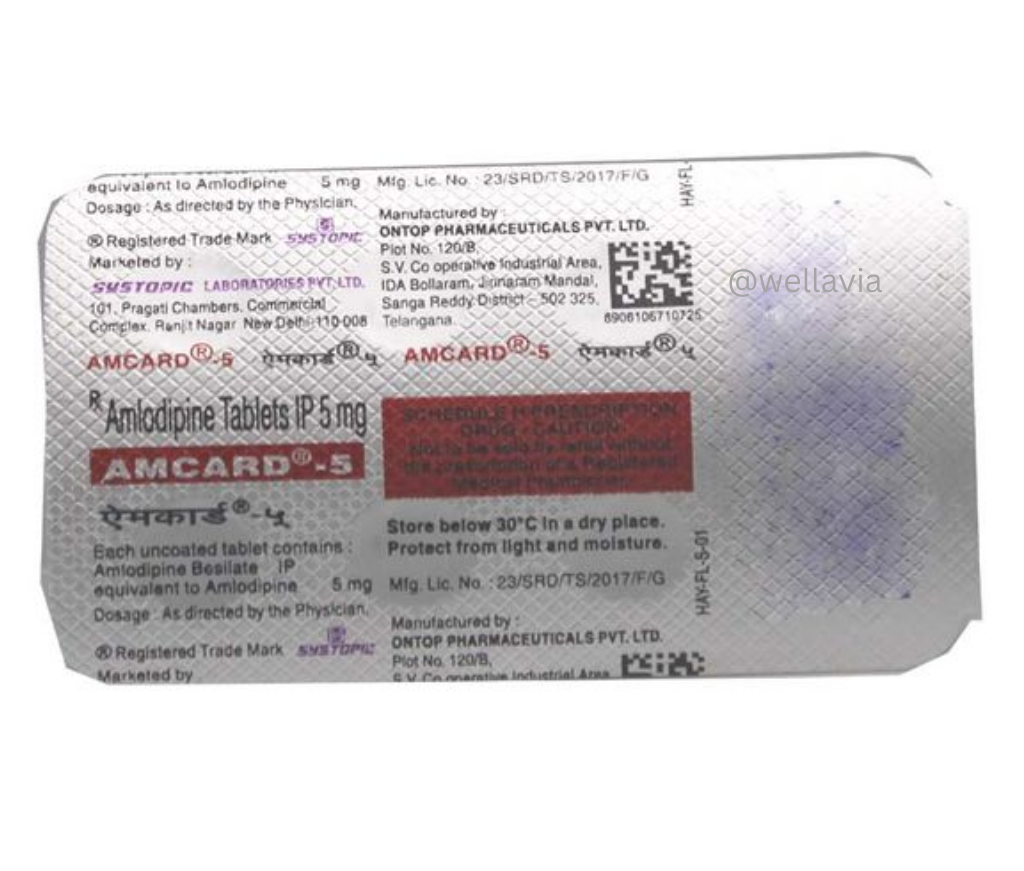
Amcard 5mg Tablet 7s
SYSTOPIC LABORATORIES PVT LTD
Rs 25.13
16.01 % OFF Rs 29.92 -
Angicam 5mg Tablet 15s
BLUE CROSS LABORATORIES LTD
Rs 21.26
16 % OFF Rs 25.31 -
Primodil 5mg Tablet 10s
MEDLEY PHARMACEUTICALS PVT LTD
Rs 22.33
15.99 % OFF Rs 26.58 -
Corvadil 5mg Tablet 10s
TORRENT PHARMACEUTICALS LTD
Rs 23.50
16.01 % OFF Rs 27.98 -
Lama 5mg Tablet 10s
STADMED PVT. LTD
Rs 23.52
16 % OFF Rs 28.00 -
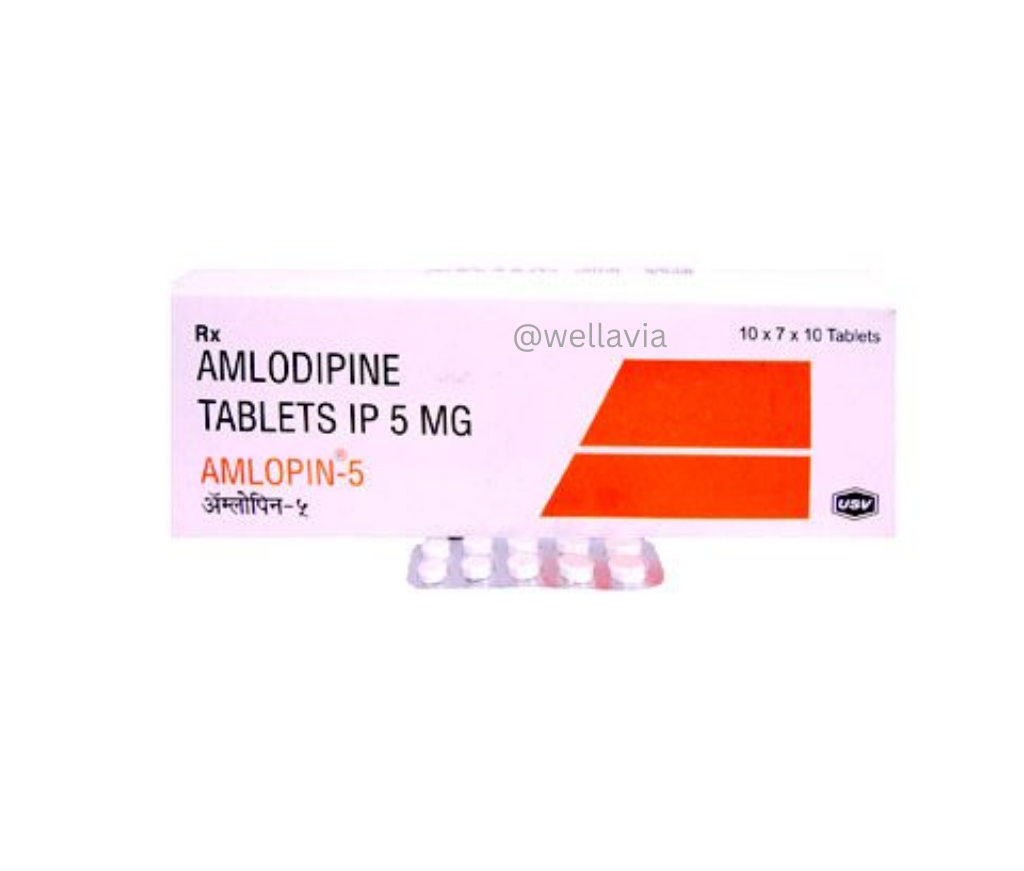
Amlopin 5mg Tablet 10s
USV LTD
Rs 22.05
16 % OFF Rs 26.25 -
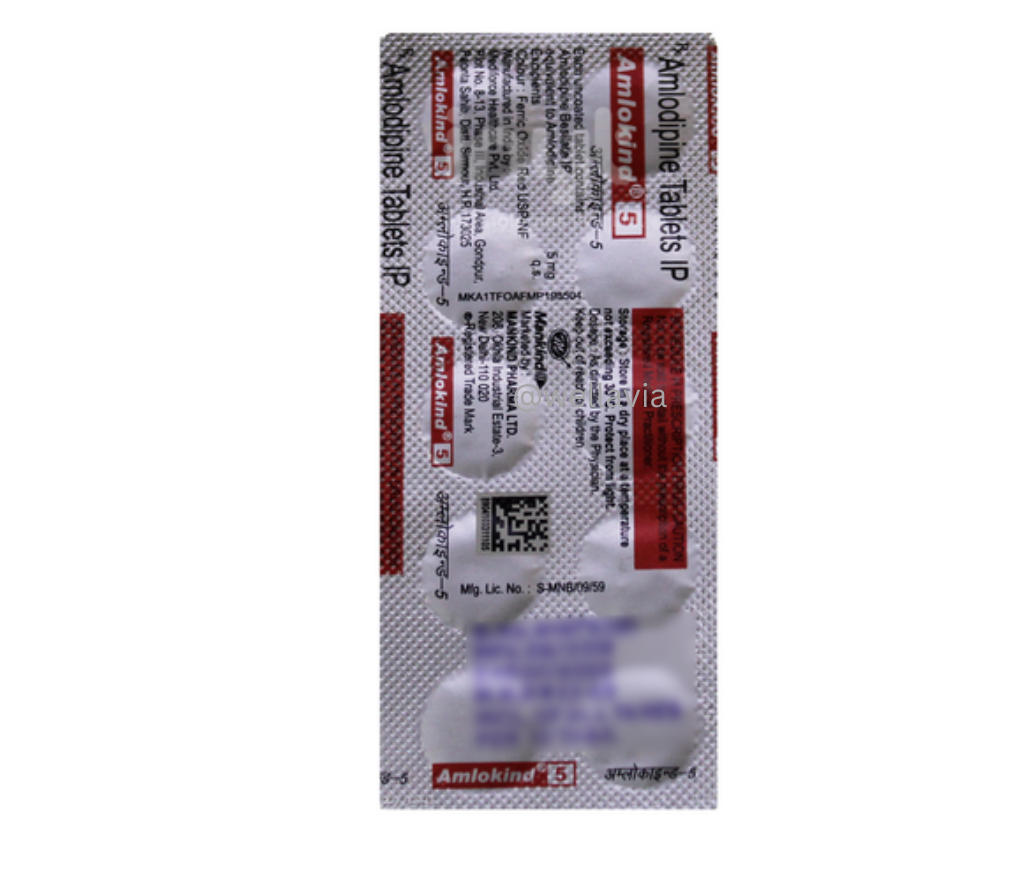
Amlokind 5mg Tablet 15s
MANKIND PHARMA LTD
Rs 19.88
16.01 % OFF Rs 23.67 -
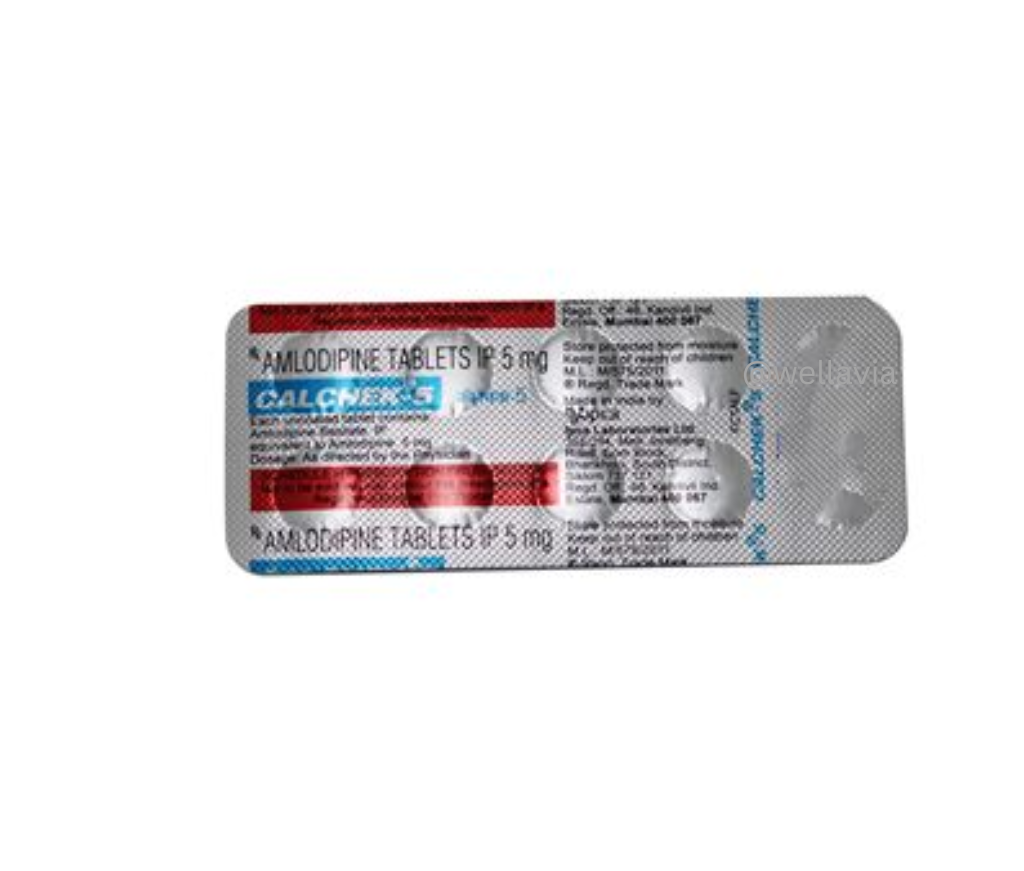
Calchek 5mg Tablet 10s
IPCA LABORATORIES LTD
Rs 22.40
16.01 % OFF Rs 26.67 -
Prelo 5 mg Tablet 10s
MARSHA PHARMA PVT LTD
Rs 23.47
12 % OFF Rs 26.67 -
Lupidip 5mg Tablet 10s
LUPIN LTD
Rs 23.48
16 % OFF Rs 27.95
Uses / Indications: It's important to talk to your doctor or pharmacist before taking Amodep 5mg tablets, especially if you are taking other medications or have any health concerns.
Drug Interactions
Other blood pressure medications: Taking Amodep with other blood pressure-lowering drugs (like ACE inhibitors, ARBs, or diuretics) can significantly lower your blood pressure, potentially causing dizziness or fainting. Your doctor may need to adjust your doses.
Potassium supplements or potassium-rich foods: Amodep can raise potassium levels in your blood. Taking it with potassium supplements or eating a lot of potassium-rich foods can further increase this risk, potentially leading to heart problems.
Lithium: Amodep may affect how your body handles lithium, a medication used to treat bipolar disorder. Your doctor needs to monitor your lithium levels closely if you are taking both medications.
NSAIDs (Non-Steroidal Anti-Inflammatory Drugs): Using Amodep with NSAIDs like ibuprofen or naproxen can reduce the effectiveness of Amodep in lowering blood pressure.
Food and Lifestyle Interactions
Alcohol: Drinking alcohol while taking Amodep can increase the risk of low blood pressure and dizziness.
High-salt diet: A diet high in salt can counteract the blood pressure-lowering effects of Amodep. Following a low-sodium diet is recommended.
Dehydration: Dehydration can increase the risk of side effects from Amodep. Drink plenty of fluids while taking this medication.
Medical Conditions and Warnings
Kidney disease: Amodep is processed by your kidneys. If you have kidney problems, your doctor may need to adjust your dose or choose a different medication.
Liver disease: Amodep is processed by your liver. If you have liver problems, your doctor may need to adjust your dose or choose a different medication.
Diabetes: Amodep may affect blood sugar levels. If you have diabetes, your doctor may need to monitor your blood sugar more closely.
Pregnancy and breastfeeding: Amodep is generally not recommended during pregnancy or breastfeeding. Discuss this with your doctor before taking it if you are pregnant, planning to become pregnant, or breastfeeding.
Allergic reactions: Stop taking Amodep and seek immediate medical attention if you experience any allergic reactions such as rash, itching, swelling, or difficulty breathing.
This information is for general knowledge and does not replace professional medical advice. Always consult your doctor or pharmacist before starting or changing any medication.
- Product composition:
- Amlodipine(5mg)
Drug Interactions
Other blood pressure medications: Taking Amodep with other blood pressure-lowering drugs (like ACE inhibitors, ARBs, or diuretics) can significantly lower your blood pressure, potentially causing dizziness or fainting. Your doctor may need to adjust your doses.
Potassium supplements or potassium-rich foods: Amodep can raise potassium levels in your blood. Taking it with potassium supplements or eating a lot of potassium-rich foods can further increase this risk, potentially leading to heart problems.
Lithium: Amodep may affect how your body handles lithium, a medication used to treat bipolar disorder. Your doctor needs to monitor your lithium levels closely if you are taking both medications.
NSAIDs (Non-Steroidal Anti-Inflammatory Drugs): Using Amodep with NSAIDs like ibuprofen or naproxen can reduce the effectiveness of Amodep in lowering blood pressure.
Food and Lifestyle Interactions
Alcohol: Drinking alcohol while taking Amodep can increase the risk of low blood pressure and dizziness.
High-salt diet: A diet high in salt can counteract the blood pressure-lowering effects of Amodep. Following a low-sodium diet is recommended.
Dehydration: Dehydration can increase the risk of side effects from Amodep. Drink plenty of fluids while taking this medication.
Medical Conditions and Warnings
Kidney disease: Amodep is processed by your kidneys. If you have kidney problems, your doctor may need to adjust your dose or choose a different medication.
Liver disease: Amodep is processed by your liver. If you have liver problems, your doctor may need to adjust your dose or choose a different medication.
Diabetes: Amodep may affect blood sugar levels. If you have diabetes, your doctor may need to monitor your blood sugar more closely.
Pregnancy and breastfeeding: Amodep is generally not recommended during pregnancy or breastfeeding. Discuss this with your doctor before taking it if you are pregnant, planning to become pregnant, or breastfeeding.
Allergic reactions: Stop taking Amodep and seek immediate medical attention if you experience any allergic reactions such as rash, itching, swelling, or difficulty breathing.
This information is for general knowledge and does not replace professional medical advice. Always consult your doctor or pharmacist before starting or changing any medication.
- Pregnancy interaction:
- Amodep 5mg tablets, containing amlodipine, are a calcium channel blocker used to manage high blood pressure. Their use during pregnancy is complex and requires careful consideration due to potential risks to the developing fetus. Therefore, it should only be used under strict medical supervision.
Safety: Amlodipine is classified as a pregnancy category C medication. This means that studies in animals have shown adverse effects on the fetus, and there is insufficient data on the effects in pregnant women. While some women may safely use it, the potential risks to the baby outweigh the benefits in many cases.
Purpose: In rare instances, a pregnant woman may have severe, uncontrolled hypertension (high blood pressure) that poses a significant threat to both her and the baby's health. In such situations, a doctor might prescribe amlodipine if the benefits of controlling the mother's blood pressure are deemed to outweigh the potential risks to the fetus. It is NOT typically used for mild to moderate hypertension during pregnancy.
Medical Supervision: The decision to use amlodipine during pregnancy should be made ONLY by a doctor specializing in high-risk pregnancies or maternal-fetal medicine. Regular monitoring of both the mother's blood pressure and the fetal development is crucial. The doctor will carefully weigh the risks and benefits and may adjust the dosage or recommend alternative treatments if necessary. Self-medicating with amlodipine during pregnancy is extremely dangerous and should never be attempted.
- Expert advice:
- Expert Advice: Amodep 5mg Tablet (15s)
Take as prescribed: Always follow your doctor's instructions regarding dosage and frequency. Do not adjust the dose or stop taking the medication without consulting your physician.
Consistent timing: Take Amodep at the same time each day to maintain consistent blood levels. This improves effectiveness.
Food and drink: Take Amodep with food to minimize potential stomach upset. Avoid grapefruit juice as it can interact with the medication.
Hydration: Drink plenty of water throughout the day while taking Amodep. Adequate hydration supports kidney function.
Blood pressure monitoring: Regularly monitor your blood pressure as directed by your doctor. Amodep can lower blood pressure, and close monitoring is essential.
Potassium levels: Amodep can affect potassium levels. Your doctor may order blood tests to monitor this. Avoid excessive potassium intake through diet or supplements unless specifically advised by your doctor.
Driving and operating machinery: Amodep may cause dizziness or lightheadedness, especially at the start of treatment. Avoid driving or operating machinery until you know how the medication affects you.
Other medications: Inform your doctor about all other medications, including over-the-counter drugs and herbal supplements, you are taking. Interactions can occur.
Pregnancy and breastfeeding: Consult your doctor before taking Amodep if you are pregnant, breastfeeding, or planning to become pregnant.
Missed dose: If you miss a dose, take it as soon as you remember unless it's almost time for your next dose. Never double the dose.
Allergic reactions: Seek immediate medical attention if you experience any signs of an allergic reaction, such as rash, swelling, or difficulty breathing.
Report side effects: Report any unusual or concerning side effects to your doctor or pharmacist.
Regular check-ups: Attend all scheduled follow-up appointments with your doctor to monitor your progress and adjust treatment as needed.
Storage: Store Amodep in a cool, dry place, away from direct sunlight and moisture. Keep out of reach of children.
Do not share: Do not share your medication with others. It's crucial to have your own prescription.
Disclaimer: This information is for general knowledge and does not constitute medical advice. Always consult your doctor or pharmacist for personalized guidance regarding Amodep or any other medication.
- Side Effects:
- Amodep 5mg Tablets, like all medications, can cause side effects, although not everyone experiences them.
Common Side Effects:
Dizziness
Headache
Nausea
Fatigue
Sleep disturbances (insomnia or excessive sleepiness)
Dry mouth
Serious Side Effects that require medical attention:
Severe allergic reactions (e.g., rash, swelling of the face, lips, tongue, or throat, difficulty breathing)
Irregular heartbeat or palpitations
Chest pain
Sudden weakness or numbness on one side of the body
Severe stomach pain
Jaundice (yellowing of the skin or eyes)
Dark urine
Light-colored stools
Important Note: This is not an exhaustive list of all possible side effects. If you experience any unusual or concerning symptoms, stop taking Amodep and contact your doctor or pharmacist immediately.
- How to use:
- How To Use Amodep 5mg Tablet 15s:
Take the medicine as prescribed by your doctor. Do not change the dose or stop taking it without consulting your doctor.
Swallow the tablet whole with a glass of water. Do not crush, chew, or break the tablet.
The best time to take Amodep is usually once daily, as directed by your doctor. Your doctor may advise taking it with food to reduce stomach upset. Follow their specific instructions.
If you miss a dose, take it as soon as you remember. If it is almost time for your next dose, skip the missed dose and continue with your regular schedule. Do not take a double dose to make up for a missed one.
Store the tablets in a cool, dry place, away from direct sunlight and moisture. Keep them out of reach of children and pets.
If you experience any side effects, contact your doctor or pharmacist immediately.
Complete the entire course of treatment, even if you feel better. Stopping early may allow the infection to return.
This information is for guidance only. Always follow your doctor's or pharmacist's instructions. They can provide tailored advice based on your specific needs.
- How it works:
- Amodep 5mg tablets help control high blood pressure.
Amlodipine (5mg): This is a calcium channel blocker. Imagine your blood vessels as pipes. Amlodipine helps relax and widen these pipes, making it easier for blood to flow. This reduces the pressure your heart has to work against, lowering your blood pressure.
The "5mg" refers to the dosage of Amlodipine: This means each tablet contains 5 milligrams of this active ingredient. The dosage is determined by your doctor based on your individual needs.
Amodep, in this case, only contains Amlodipine. It works solely by relaxing blood vessels to lower blood pressure. There are no other active ingredients working in conjunction with it in this specific formulation.
- Faq for medicine:
- What is Amodep 5mg Tablet used for?
Amodep 5mg Tablet contains amlodipine, a medication used to treat high blood pressure (hypertension) and angina (chest pain). It helps relax blood vessels, making it easier for blood to flow.
How should I take Amodep 5mg Tablet?
Take Amodep 5mg Tablet exactly as prescribed by your doctor. Usually, it's taken once daily, with or without food. Do not change your dose or stop taking it without talking to your doctor first.
What are the common side effects of Amodep 5mg Tablet?
Common side effects can include headache, dizziness, swelling in the ankles or feet, and flushing. These are usually mild and temporary. If you experience any severe or persistent side effects, contact your doctor immediately.
What should I do if I miss a dose of Amodep 5mg Tablet?
If you miss a dose, take it as soon as you remember, unless it's almost time for your next dose. Do not take a double dose to make up for a missed one.
Are there any precautions I should take while using Amodep 5mg Tablet?
Inform your doctor if you have any kidney or liver problems, or if you are pregnant, breastfeeding, or planning to become pregnant. Avoid drinking grapefruit juice while taking this medication, as it can affect how it works.
What should I do if I experience severe side effects?
If you experience severe side effects such as chest pain, shortness of breath, severe dizziness, or swelling of your face or throat, seek immediate medical attention.
- Medicine interaction:
- It's crucial to tell your doctor about all the medications, vitamins, supplements, and even herbal remedies you're taking before starting Amodep 5mg (which contains amlodipine, a blood pressure medication). This is because many substances can interact with amlodipine, potentially affecting how well it works or causing unwanted side effects. Always be open and honest with your healthcare provider about your complete medication history.
Here are some examples of drug classes or substances that may interact with Amodep 5mg:
Grapefruit and Grapefruit Juice: Grapefruit contains compounds that can interfere with the breakdown of amlodipine in your body, leading to higher levels of the drug in your blood and potentially increasing the risk of side effects like dizziness and low blood pressure.
Other Blood Pressure Medications: Taking amlodipine with other blood pressure medications (like beta-blockers, ACE inhibitors, or diuretics) can significantly lower your blood pressure, potentially leading to dizziness, fainting, or other problems. Your doctor needs to carefully manage the combination.
Certain Antifungal Medications: Some antifungal medications can interact with amlodipine, potentially increasing its levels in your body.
Certain Antidepressants: Some antidepressants may interact with amlodipine, potentially affecting the effectiveness of either medication.
Macrolide Antibiotics: These antibiotics can potentially increase the levels of amlodipine in your body.
Strong CYP3A4 Inhibitors: These are medications that block a specific liver enzyme (CYP3A4) responsible for breaking down amlodipine. Blocking this enzyme can increase amlodipine levels. Examples include some HIV medications and certain antifungal medications.
St. John's Wort: This herbal supplement can interact with many medications, including amlodipine, and may reduce its effectiveness.
This list is not exhaustive, and other interactions are possible. Always consult your doctor or pharmacist if you have any concerns about potential interactions between Amodep 5mg and other substances you are taking.