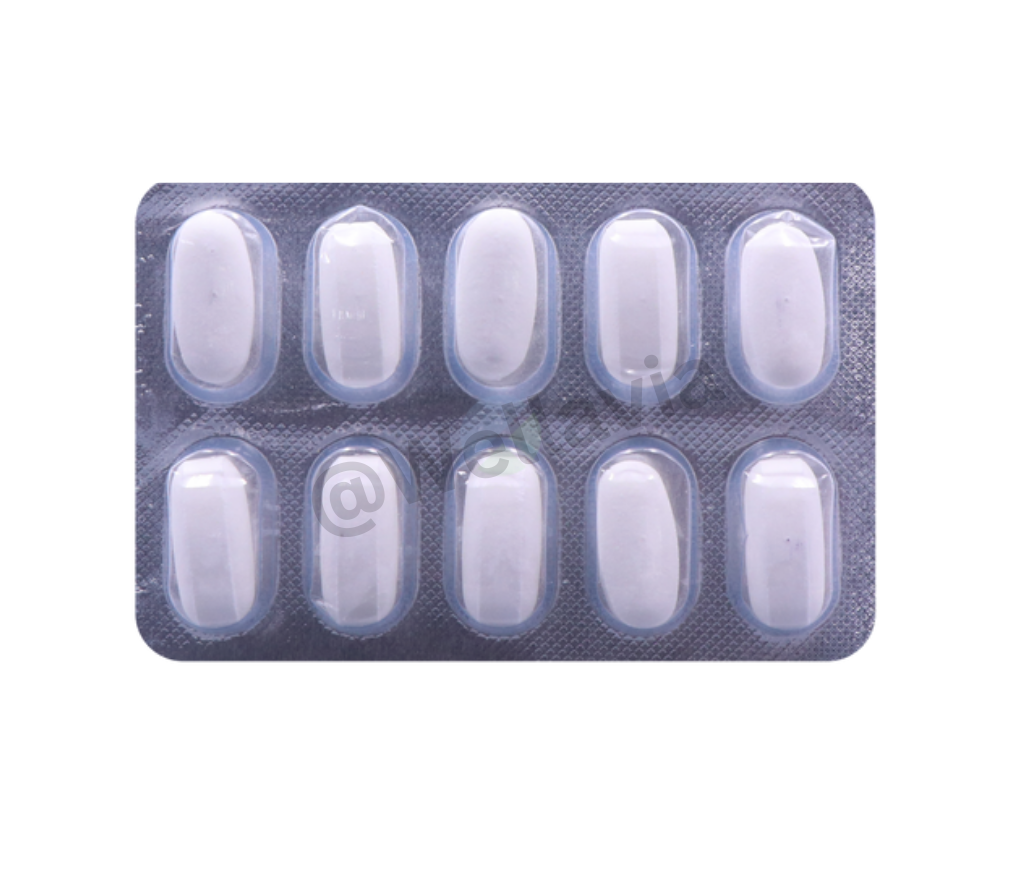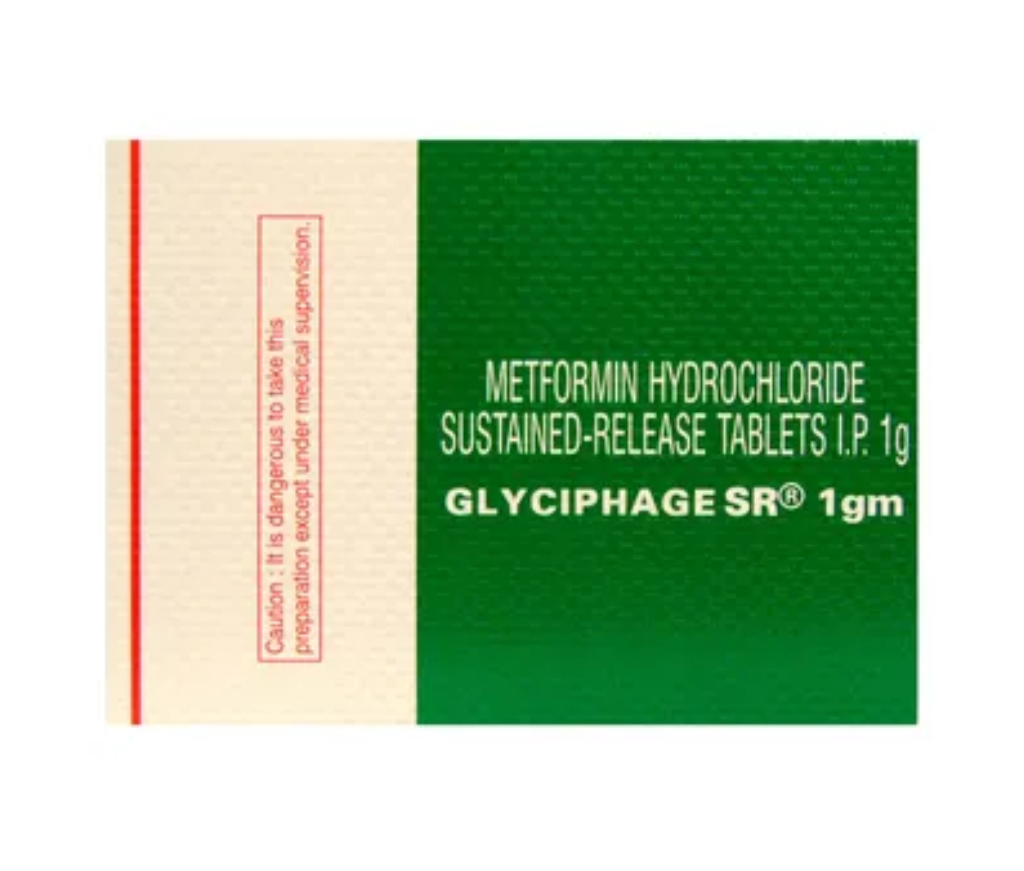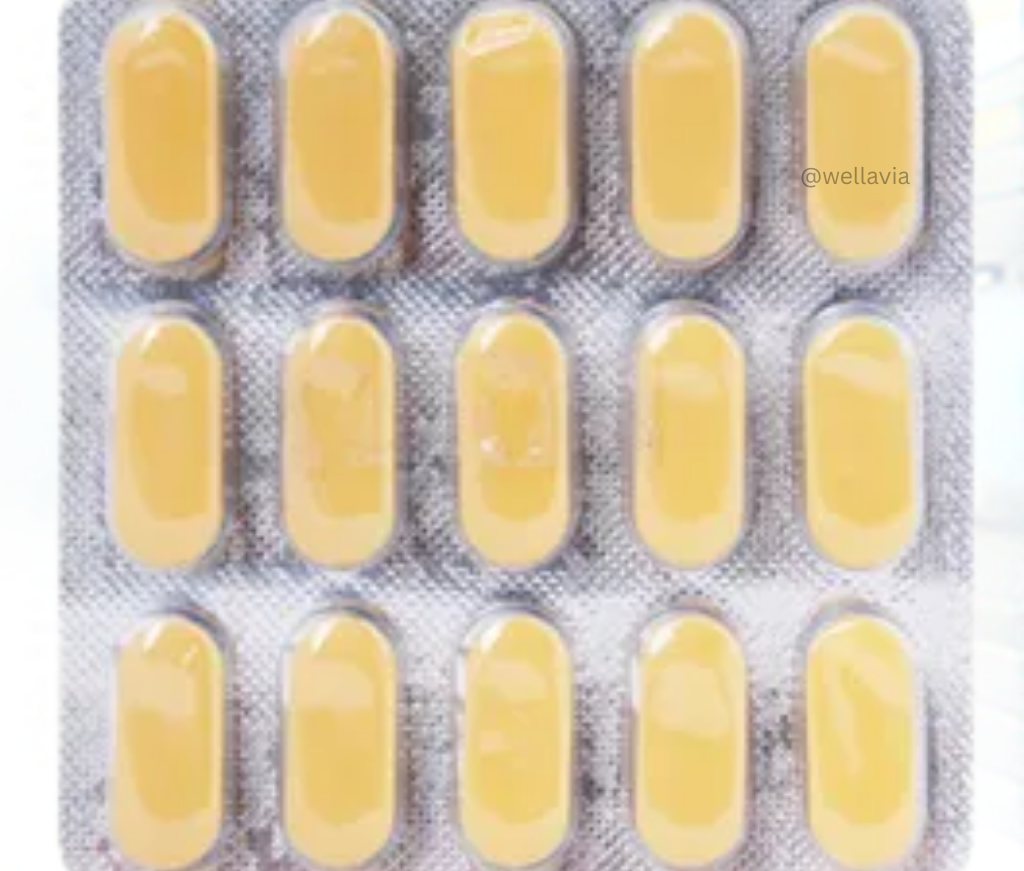

Metsmall 1000mg SR Tablet 15s
 Item requires a valid prescription
Manufactured By DR REDDY S LABORATORIES LTD
Composition Metformin Hydrochloride(1000mg)
Rs 46.78
MRP Rs 55.69
(16% OFF)
Includes all taxes
Package SIZE
( 1 Pcs )

100% Authentic
Products

Free
Shipping*

Products
Return Policy
Available Substitutes
-
Metatime 1000mg XR Tablet 10s
MANKIND PHARMA LTD
Rs 33.99
16 % OFF Rs 40.47 -
Bigomet SR 1000mg Tablet 10s
ARISTO PHARMACEUTICALS PVT LTD
Rs 37.06
16 % OFF Rs 44.12 -
Mefomin SR 1000mg Tablet 10s
MACLEODS PHARMACEUTICALS PVT LTD
Rs 37.72
16 % OFF Rs 44.90 -
Metgem 1000mg Tablet 10s
SUN PHARMACEUTICAL INDUSTRIES LTD
Rs 35.62
16 % OFF Rs 42.41 -
Metfortal SR 1000mg Tablet 10s
TABLETS INDIA LTD
Rs 38.08
16 % OFF Rs 45.33 -
Dibeta 1gm SR Tablet 10s
TORRENT PHARMACEUTICALS LTD
Rs 38.08
15.99 % OFF Rs 45.33 -
Glyciphage 1gm SR Tablet 10s
FRANCO-INDIAN PHARMACEUTICALS PVT LTD
Rs 43.07
-
K Met 1000mg PR Tablet 15s
BLUE CROSS LABORATORIES LTD
Rs 41.16
16 % OFF Rs 49.00 -
Glycomet 1gm SR Tablet 15s
USV LTD
Rs 52.96
16 % OFF Rs 63.05 -
Zomet Th 1000mg Tablet 10s
INTAS PHARMACEUTICALS LTD
Rs 29.83
16 % OFF Rs 35.51
Uses / Indications: It's important to talk to your doctor before starting Metsmall 1000mg SR Tablets, especially if you're taking other medications or have any health concerns.
Drug Interactions:
Other diabetes medications: Metsmall (likely containing metformin, a common diabetes medication) can interact with other diabetes medicines. Taking them together could cause your blood sugar to drop too low (hypoglycemia). Your doctor will need to carefully monitor your blood sugar levels and adjust your dosages.
Alcohol: Drinking alcohol while taking Metsmall can increase the risk of low blood sugar and stomach upset. Limit alcohol consumption.
Certain antibiotics (e.g., some used to treat infections): Some antibiotics can affect how your body processes Metsmall, potentially leading to higher levels of the medication in your blood. Your doctor might need to adjust your dosage or choose a different antibiotic.
Diuretics (water pills): Combining Metsmall with diuretics can increase the risk of lactic acidosis (a serious condition). Your doctor will monitor you closely.
Iodine contrast dyes (used in some medical imaging procedures): These dyes can increase the risk of lactic acidosis when used with Metsmall. Your doctor will likely temporarily stop your Metsmall before and after the procedure.
Food and Lifestyle Interactions:
High-fat meals: Eating a high-fat meal may slightly delay the absorption of Metsmall. This usually isn't a major concern, but it's something to keep in mind.
Grapefruit: Grapefruit and grapefruit juice can interfere with the metabolism of some medications. Avoid grapefruit while taking Metsmall to prevent potential interactions.
Regular exercise: Regular exercise can impact your blood sugar levels. Your doctor might need to adjust your Metsmall dosage if you significantly change your exercise routine.
Diet: Following a healthy diet is crucial for managing diabetes. Your doctor or a registered dietitian can help you create a meal plan suitable for your needs.
Medical Conditions and Warnings:
Kidney problems: Metsmall is processed by your kidneys. If you have kidney problems, your doctor will need to monitor you closely and may adjust your dosage or recommend an alternative medication.
Liver problems: Metsmall can affect your liver. If you have liver problems, your doctor might need to adjust your dosage or choose a different medication.
Heart problems: Metsmall can sometimes cause lactic acidosis, a serious condition that can affect your heart. Your doctor will monitor you for any signs of this.
Vitamin B12 deficiency: Long-term use of Metsmall can sometimes lead to vitamin B12 deficiency. Your doctor may monitor your B12 levels.
Alcoholism: If you have a history of alcohol abuse, you are at increased risk of lactic acidosis and should discuss this with your doctor.
Surgery or illness: Inform your doctor if you are undergoing surgery or are experiencing a serious illness, as your Metsmall dosage may need to be adjusted.
This information is not exhaustive. Always consult your doctor or pharmacist for complete information and personalized advice.
- Product composition:
- Metformin Hydrochloride(1000mg)
Drug Interactions:
Other diabetes medications: Metsmall (likely containing metformin, a common diabetes medication) can interact with other diabetes medicines. Taking them together could cause your blood sugar to drop too low (hypoglycemia). Your doctor will need to carefully monitor your blood sugar levels and adjust your dosages.
Alcohol: Drinking alcohol while taking Metsmall can increase the risk of low blood sugar and stomach upset. Limit alcohol consumption.
Certain antibiotics (e.g., some used to treat infections): Some antibiotics can affect how your body processes Metsmall, potentially leading to higher levels of the medication in your blood. Your doctor might need to adjust your dosage or choose a different antibiotic.
Diuretics (water pills): Combining Metsmall with diuretics can increase the risk of lactic acidosis (a serious condition). Your doctor will monitor you closely.
Iodine contrast dyes (used in some medical imaging procedures): These dyes can increase the risk of lactic acidosis when used with Metsmall. Your doctor will likely temporarily stop your Metsmall before and after the procedure.
Food and Lifestyle Interactions:
High-fat meals: Eating a high-fat meal may slightly delay the absorption of Metsmall. This usually isn't a major concern, but it's something to keep in mind.
Grapefruit: Grapefruit and grapefruit juice can interfere with the metabolism of some medications. Avoid grapefruit while taking Metsmall to prevent potential interactions.
Regular exercise: Regular exercise can impact your blood sugar levels. Your doctor might need to adjust your Metsmall dosage if you significantly change your exercise routine.
Diet: Following a healthy diet is crucial for managing diabetes. Your doctor or a registered dietitian can help you create a meal plan suitable for your needs.
Medical Conditions and Warnings:
Kidney problems: Metsmall is processed by your kidneys. If you have kidney problems, your doctor will need to monitor you closely and may adjust your dosage or recommend an alternative medication.
Liver problems: Metsmall can affect your liver. If you have liver problems, your doctor might need to adjust your dosage or choose a different medication.
Heart problems: Metsmall can sometimes cause lactic acidosis, a serious condition that can affect your heart. Your doctor will monitor you for any signs of this.
Vitamin B12 deficiency: Long-term use of Metsmall can sometimes lead to vitamin B12 deficiency. Your doctor may monitor your B12 levels.
Alcoholism: If you have a history of alcohol abuse, you are at increased risk of lactic acidosis and should discuss this with your doctor.
Surgery or illness: Inform your doctor if you are undergoing surgery or are experiencing a serious illness, as your Metsmall dosage may need to be adjusted.
This information is not exhaustive. Always consult your doctor or pharmacist for complete information and personalized advice.
- Pregnancy interaction:
- Metformin, the active ingredient in Metsmall 1000mg SR Tablet, is a medication used to manage blood sugar levels. Its use during pregnancy requires careful consideration due to potential risks and benefits. The decision to use it should always be made in consultation with a doctor.
Safety: Metformin's safety during pregnancy is not definitively established. While some studies suggest a relatively low risk of major birth defects, others highlight potential risks, especially in the first trimester. The risks and benefits must be carefully weighed on a case-by-case basis.
Purpose: In specific situations, such as gestational diabetes, a doctor might prescribe Metformin to help control a pregnant woman's blood sugar levels. This is because uncontrolled blood sugar can negatively impact both the mother and the developing fetus.
Medical Supervision: It is crucial to have regular monitoring by a healthcare professional if taking Metformin during pregnancy. This includes close monitoring of blood sugar levels, fetal development, and potential side effects. Self-medicating with Metformin during pregnancy is extremely dangerous and should be avoided entirely.
Alternatives: Depending on the specific circumstances, alternative treatments for gestational diabetes might be considered. The doctor will discuss the available options and select the most appropriate course of action.
Conclusion: Metformin use during pregnancy is not routine and should only be considered under strict medical supervision. The potential risks and benefits need careful evaluation before a decision is made.
- Expert advice:
- Expert Advice: Metsmall 1000mg SR Tablet 15s
Take as prescribed: Strictly adhere to the dosage and frequency prescribed by your doctor. Do not alter the dose or stop taking the medication without consulting your physician.
Swallow whole: Do not crush, chew, or break the extended-release tablet. This will compromise the medication's controlled release and may lead to adverse effects.
Consistent timing: Take the tablet at the same time each day to maintain consistent blood levels of the medication.
Food and drink: Take the medication with food to minimize potential stomach upset. Avoid grapefruit juice, as it can interact with the medication.
Hydration: Drink plenty of water throughout the day to aid in the absorption and excretion of the medication.
Regular monitoring: Attend all scheduled follow-up appointments with your doctor for regular blood tests and monitoring of your condition.
Lifestyle modifications: Maintain a healthy lifestyle that includes regular exercise, a balanced diet, and stress management techniques. This can significantly contribute to the effectiveness of the medication.
Alcohol consumption: Limit or avoid alcohol consumption, as it can interact negatively with the medication and worsen potential side effects.
Driving and operating machinery: Be aware that drowsiness or dizziness may occur. Avoid driving or operating machinery until you know how the medication affects you.
Potential side effects: Be aware of potential side effects such as nausea, headache, dizziness, and constipation. Contact your doctor immediately if you experience any severe or persistent side effects.
Drug interactions: Inform your doctor about all other medications, supplements, and herbal remedies you are taking, as they may interact with Metsmall.
Missed dose: If you miss a dose, take it as soon as you remember, unless it is almost time for your next dose. Do not double the dose.
Storage: Store the medication in a cool, dry place, away from direct sunlight and out of reach of children.
Allergic reactions: If you experience an allergic reaction (such as rash, itching, swelling, difficulty breathing), seek immediate medical attention.
Pregnancy and breastfeeding: Consult your doctor before taking this medication if you are pregnant, breastfeeding, or planning to become pregnant.
Disclaimer: This information is for general knowledge and does not constitute medical advice. Always consult your physician or pharmacist for any health concerns or before making any decisions related to your health or treatment. The information provided here is not a substitute for professional medical advice.
- Side Effects:
- Metsmall 1000mg SR Tablet 15s, like all medications, can cause side effects, although not everyone experiences them.
Common Side Effects:
Headache
Dizziness
Nausea
Upset stomach
Constipation
Fatigue
Serious Side Effects that require medical attention:
Severe allergic reactions (e.g., rash, swelling of the face, lips, tongue, or throat, difficulty breathing)
Irregular heartbeat
Chest pain
Severe stomach pain
Jaundice (yellowing of the skin or eyes)
Dark urine
Clay-colored stools
Unusual bleeding or bruising
Note: This is not an exhaustive list of all possible side effects. If you experience any other unusual symptoms, contact your doctor or pharmacist immediately.
- How to use:
- How To Use Metsmall 1000mg SR Tablet 15s
Take the tablet whole: Do not crush, chew, or break the tablet. Swallow it with a full glass of water.
Take with food: Take Metsmall with food to reduce stomach upset.
Take as prescribed: Follow your doctor's instructions exactly regarding the dosage and frequency. This usually means taking one tablet once a day.
Best time to take: Your doctor will advise you on the best time to take your medication. This is often once daily, at the same time each day.
Missed dose: If you miss a dose, take it as soon as you remember, unless it is almost time for your next dose. Do not take a double dose to make up for a missed one.
Storage: Store Metsmall in a cool, dry place, away from direct sunlight and moisture. Keep it out of reach of children.
Consult your doctor: If you have any questions or concerns about using Metsmall, contact your doctor or pharmacist. Do not stop taking the medication without consulting your doctor first.
- How it works:
- Metsmall 1000mg SR Tablet 15s is a medication used to help control blood sugar levels. It works in your body by combining two key ingredients:
Metformin: This is the main active ingredient. It works in several ways to lower blood sugar. It helps your body use insulin more effectively (making the insulin you already have work better). It also reduces the amount of sugar your liver produces and slows down the absorption of sugar from your food into your bloodstream.
SR (Sustained Release): This part of the name means the medication is designed to release the metformin slowly over a longer period. This helps keep your blood sugar levels more stable throughout the day, preventing sharp spikes and drops.
The combination of these actions helps to keep your blood sugar levels within a healthier range. Remember that this medication is most effective when used along with a healthy diet and regular exercise.
- Faq for medicine:
- What is Metsmall 1000mg SR Tablet used for?
Metsmall 1000mg SR Tablet contains metformin, which is used to help control high blood sugar levels in adults with type 2 diabetes. It works by helping your body use insulin more effectively.
How should I take Metsmall 1000mg SR Tablet?
Always follow your doctor's instructions. Typically, you'll take one tablet once a day, with or without food. Do not crush or chew the tablet; swallow it whole. The "SR" stands for sustained release, meaning the medicine is released slowly over time.
What are the common side effects of Metsmall 1000mg SR Tablet?
Common side effects can include nausea, vomiting, diarrhea, stomach upset, and loss of appetite. These are usually mild and may go away as your body adjusts to the medication. If side effects are severe or persistent, talk to your doctor.
What should I do if I miss a dose of Metsmall 1000mg SR Tablet?
If you miss a dose, take it as soon as you remember, unless it's almost time for your next dose. Do not take a double dose to make up for a missed one.
Are there any precautions I should take while using Metsmall 1000mg SR Tablet?
Yes. You should tell your doctor about all your medical conditions, including kidney problems, liver problems, or a history of heart failure. Alcohol consumption should be limited while taking this medication. Regular blood tests will be needed to monitor your kidney function and blood sugar levels. You should also inform your doctor of all other medications you are taking.
What should I do if I experience a severe allergic reaction?
Seek immediate medical attention if you experience symptoms of a severe allergic reaction, such as difficulty breathing, swelling of your face, lips, tongue, or throat, or hives.
- Medicine interaction:
- It's crucial to tell your doctor about all medications, vitamins, supplements, and even herbal remedies you're taking before starting a new medicine like Metsmall 1000mg SR. This includes over-the-counter drugs. Many substances can interact with medications, potentially reducing their effectiveness, increasing side effects, or causing unexpected health problems. Metsmall, containing metformin, is no exception. Here are some examples of potential interactions:
Drugs that affect kidney function: Metsmall is processed by the kidneys. Medications that damage or impair kidney function (like some NSAIDs, certain antibiotics, and some contrast dyes used in medical imaging) can increase the risk of metformin buildup in the body, leading to lactic acidosis (a serious condition).
Diuretics (water pills): Some diuretics can slightly increase the risk of low blood sugar (hypoglycemia), especially if you're also taking other diabetes medications along with Metsmall.
Alcohol: Consuming alcohol while taking Metsmall can increase the risk of lactic acidosis and worsen low blood sugar.
Cationic drugs (certain medications with a positive charge): Some medications, like certain antibiotics and antacids containing aluminum or magnesium, can reduce the absorption of metformin, making it less effective.
Drugs that increase blood sugar: Medications like corticosteroids (such as prednisone) can counteract the blood sugar-lowering effect of metformin, potentially leading to higher blood sugar levels.
Certain heart medications (beta-blockers): While not a direct interaction, beta-blockers can mask the symptoms of low blood sugar, making it harder to recognize and treat.
This list is not exhaustive, and other interactions are possible. Always consult your doctor or pharmacist before taking any new medication or supplement while on Metsmall to ensure your safety and the effectiveness of your treatment.