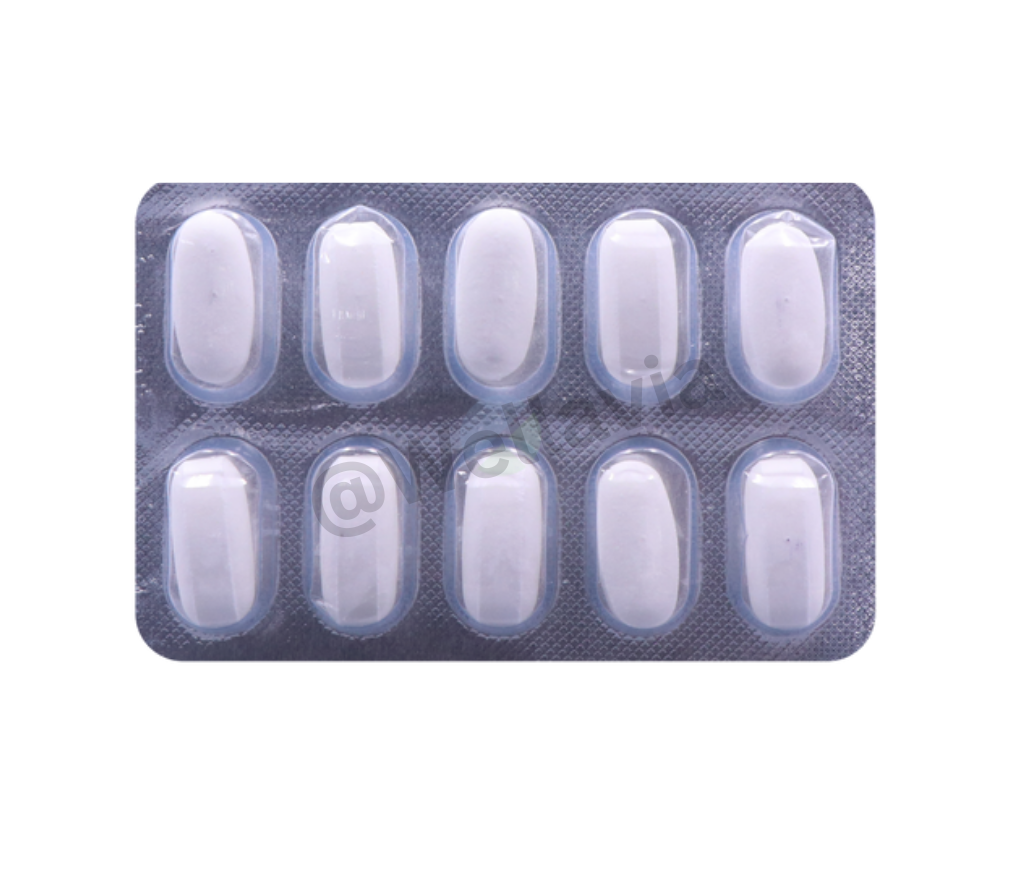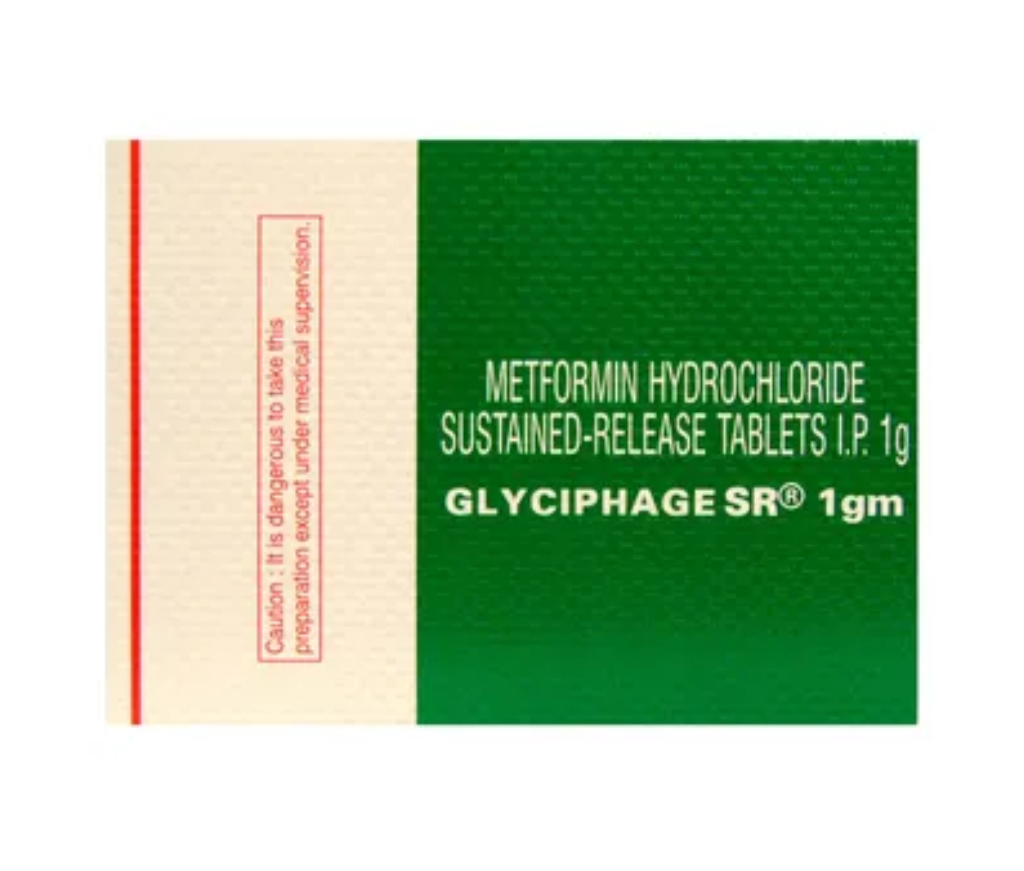

Dibeta 1gm SR Tablet 10s
 Item requires a valid prescription
Manufactured By TORRENT PHARMACEUTICALS LTD
Composition Metformin Hydrochloride(1000mg)
Rs 38.08
MRP Rs 45.33
(15.99% OFF)
Includes all taxes
Package SIZE
( 1 Pcs )

100% Authentic
Products

Free
Shipping*

Products
Return Policy
Available Substitutes
-
Metatime 1000mg XR Tablet 10s
MANKIND PHARMA LTD
Rs 33.99
16 % OFF Rs 40.47 -
Bigomet SR 1000mg Tablet 10s
ARISTO PHARMACEUTICALS PVT LTD
Rs 37.06
16 % OFF Rs 44.12 -
Mefomin SR 1000mg Tablet 10s
MACLEODS PHARMACEUTICALS PVT LTD
Rs 37.72
16 % OFF Rs 44.90 -
Metgem 1000mg Tablet 10s
SUN PHARMACEUTICAL INDUSTRIES LTD
Rs 35.62
16 % OFF Rs 42.41 -
Metfortal SR 1000mg Tablet 10s
TABLETS INDIA LTD
Rs 38.08
16 % OFF Rs 45.33 -
Glyciphage 1gm SR Tablet 10s
FRANCO-INDIAN PHARMACEUTICALS PVT LTD
Rs 43.07
-
K Met 1000mg PR Tablet 15s
BLUE CROSS LABORATORIES LTD
Rs 41.16
16 % OFF Rs 49.00 -
Metsmall 1000mg SR Tablet 15s
DR REDDY S LABORATORIES LTD
Rs 46.78
16 % OFF Rs 55.69 -
Glycomet 1gm SR Tablet 15s
USV LTD
Rs 52.96
16 % OFF Rs 63.05 -
Zomet Th 1000mg Tablet 10s
INTAS PHARMACEUTICALS LTD
Rs 29.83
16 % OFF Rs 35.51
Uses / Indications: It's crucial to talk to your doctor before starting Dibeta 1gm SR Tablets or making any changes to your medication regimen.
Drug Interactions:
Alcohol: Drinking alcohol while taking Dibeta can increase the risk of low blood sugar (hypoglycemia). Limit or avoid alcohol consumption.
Other Diabetes Medications: Taking Dibeta with other diabetes medications (like insulin or other oral hypoglycemics) can significantly increase your risk of hypoglycemia. Your doctor needs to carefully manage your dosage.
Beta-blockers (e.g., Metoprolol): These medications can mask the symptoms of low blood sugar, making it harder to recognize and treat. Your doctor should monitor you closely if you are taking both.
Certain diuretics (water pills): Some diuretics can affect blood sugar control. Your doctor will adjust your Dibeta dosage as needed.
ACE inhibitors (e.g., Lisinopril): These medications can potentially affect blood sugar control and need monitoring by your doctor.
Food and Lifestyle Interactions:
High-carbohydrate meals: Eating large meals high in carbohydrates can cause a sudden spike in blood sugar, potentially leading to complications. Your doctor will advise on portion control and meal timing.
Skipping meals: Skipping meals, especially if you've taken your Dibeta, can lead to low blood sugar. Maintain regular eating habits.
Exercise: Exercise can lower blood sugar. If you increase your activity level, you may need to adjust your Dibeta dosage or food intake. Talk to your doctor or a diabetes educator about exercise planning.
Medical Conditions and Warnings:
Kidney disease: Dibeta is processed by your kidneys. If you have kidney problems, your doctor will need to adjust your dosage to prevent buildup of the medication in your system.
Liver disease: Similar to kidney disease, liver problems can affect how your body processes Dibeta. Your doctor needs to monitor you closely.
Heart failure: Dibeta can sometimes cause fluid retention. This can worsen heart failure. Your doctor will monitor you carefully.
Hypoglycemia (low blood sugar): This is a common side effect of Dibeta. Symptoms include sweating, shakiness, dizziness, and confusion. Learn how to recognize and treat low blood sugar. Always carry a fast-acting sugar source.
Pregnancy and breastfeeding: Dibeta should only be used during pregnancy or breastfeeding under strict medical supervision. The risks and benefits must be carefully weighed.
Allergic reactions: While rare, allergic reactions can occur. Stop taking Dibeta and seek immediate medical attention if you experience symptoms like rash, itching, swelling, or difficulty breathing.
Remember, this is not an exhaustive list. Always consult your doctor or pharmacist for complete information and personalized advice regarding Dibeta 1gm SR Tablets.
- Product composition:
- Metformin Hydrochloride(1000mg)
Drug Interactions:
Alcohol: Drinking alcohol while taking Dibeta can increase the risk of low blood sugar (hypoglycemia). Limit or avoid alcohol consumption.
Other Diabetes Medications: Taking Dibeta with other diabetes medications (like insulin or other oral hypoglycemics) can significantly increase your risk of hypoglycemia. Your doctor needs to carefully manage your dosage.
Beta-blockers (e.g., Metoprolol): These medications can mask the symptoms of low blood sugar, making it harder to recognize and treat. Your doctor should monitor you closely if you are taking both.
Certain diuretics (water pills): Some diuretics can affect blood sugar control. Your doctor will adjust your Dibeta dosage as needed.
ACE inhibitors (e.g., Lisinopril): These medications can potentially affect blood sugar control and need monitoring by your doctor.
Food and Lifestyle Interactions:
High-carbohydrate meals: Eating large meals high in carbohydrates can cause a sudden spike in blood sugar, potentially leading to complications. Your doctor will advise on portion control and meal timing.
Skipping meals: Skipping meals, especially if you've taken your Dibeta, can lead to low blood sugar. Maintain regular eating habits.
Exercise: Exercise can lower blood sugar. If you increase your activity level, you may need to adjust your Dibeta dosage or food intake. Talk to your doctor or a diabetes educator about exercise planning.
Medical Conditions and Warnings:
Kidney disease: Dibeta is processed by your kidneys. If you have kidney problems, your doctor will need to adjust your dosage to prevent buildup of the medication in your system.
Liver disease: Similar to kidney disease, liver problems can affect how your body processes Dibeta. Your doctor needs to monitor you closely.
Heart failure: Dibeta can sometimes cause fluid retention. This can worsen heart failure. Your doctor will monitor you carefully.
Hypoglycemia (low blood sugar): This is a common side effect of Dibeta. Symptoms include sweating, shakiness, dizziness, and confusion. Learn how to recognize and treat low blood sugar. Always carry a fast-acting sugar source.
Pregnancy and breastfeeding: Dibeta should only be used during pregnancy or breastfeeding under strict medical supervision. The risks and benefits must be carefully weighed.
Allergic reactions: While rare, allergic reactions can occur. Stop taking Dibeta and seek immediate medical attention if you experience symptoms like rash, itching, swelling, or difficulty breathing.
Remember, this is not an exhaustive list. Always consult your doctor or pharmacist for complete information and personalized advice regarding Dibeta 1gm SR Tablets.
- Pregnancy interaction:
- Dibeta 1gm SR Tablet (containing metformin) is an oral medication used to manage blood sugar levels. Its use during pregnancy requires careful consideration and strict medical supervision due to potential risks and uncertainties. The following points summarize its use in this context:
Safety: Metformin's safety during pregnancy is not fully established. While some studies suggest a relatively low risk of major birth defects, others show potential for adverse effects on the fetus, particularly in the first trimester. The benefits must significantly outweigh the potential risks.
Purpose: Metformin is generally not recommended as a first-line treatment for gestational diabetes. It might be considered in specific situations, such as when lifestyle modifications and insulin are insufficient to control blood sugar levels, but only under strict medical supervision. The decision to use it will depend on the individual's health status and the severity of gestational diabetes.
Medical Supervision: Constant monitoring is crucial. Regular blood glucose checks, fetal monitoring, and assessments of the mother's overall health are essential throughout the pregnancy and postpartum period. The dosage might need adjustments based on the mother's response and the pregnancy's progression. The doctor will carefully weigh the risks and benefits, considering alternatives like insulin therapy.
Alternatives: Insulin is usually the preferred treatment for gestational diabetes due to its established safety profile during pregnancy.
Postpartum: Metformin use after delivery might be continued or discontinued based on the mother's post-pregnancy blood sugar levels and overall health.
In summary, Dibeta 1gm SR use during pregnancy is a complex issue requiring expert medical judgment. It is not a standard treatment for gestational diabetes, and its use should only be considered under very specific circumstances and with continuous medical monitoring.
- Expert advice:
- Expert Advice: Dibeta 1gm SR Tablet 10s
Take as prescribed: Strictly adhere to your doctor's dosage instructions. Do not adjust the dose or stop taking the medication without consulting your physician.
Timing is crucial: Take the tablet at the same time each day, usually with or after a meal, to maintain consistent blood sugar levels. This helps prevent significant blood sugar fluctuations.
Swallow whole: Do not crush, chew, or break the sustained-release tablet. This will compromise the drug's slow release mechanism and could lead to unpredictable blood sugar levels.
Monitor blood sugar: Regularly monitor your blood glucose levels as directed by your doctor. This is essential for assessing the effectiveness of the medication and making necessary adjustments.
Balanced diet: Maintain a healthy, balanced diet low in saturated fats, cholesterol, and simple sugars. Focus on whole grains, fruits, vegetables, and lean proteins.
Regular exercise: Incorporate regular physical activity into your daily routine. Exercise helps improve insulin sensitivity and overall health. Consult your doctor before starting any new exercise program.
Weight management: If you are overweight or obese, work with your doctor or a registered dietitian to develop a weight loss plan. Weight loss can significantly improve blood sugar control.
Hydration: Drink plenty of fluids, especially water, throughout the day.
Alcohol consumption: Limit or avoid alcohol consumption as it can interact with Dibeta and affect blood sugar levels.
Medication interactions: Inform your doctor of all other medications, including over-the-counter drugs, supplements, and herbal remedies, you are taking. Some medications can interact with Dibeta.
Hypoglycemia awareness: Be aware of the symptoms of hypoglycemia (low blood sugar), such as sweating, shakiness, dizziness, and confusion. Carry a quick-acting sugar source, such as glucose tablets, with you at all times.
Regular check-ups: Attend all scheduled appointments with your doctor for monitoring and adjustments to your treatment plan as needed.
Report side effects: Immediately report any unusual or concerning side effects to your doctor.
Storage: Store the medication in a cool, dry place, away from direct sunlight and moisture. Keep it out of reach of children.
Disclaimer: This information is for general knowledge and does not constitute medical advice. Always consult your doctor or pharmacist for any questions or concerns regarding your medication.
- Side Effects:
- Dibeta 1gm SR Tablets, like all medications, can cause side effects, although not everyone experiences them.
Common Side Effects:
Hypoglycemia (low blood sugar): This is a common side effect and may cause symptoms such as shakiness, sweating, dizziness, hunger, fast heartbeat, and confusion.
Nausea
Vomiting
Diarrhea
Abdominal pain
Headache
Dizziness
Serious Side Effects that require medical attention:
Severe hypoglycemia: This can lead to loss of consciousness, seizures, or coma. Seek immediate medical help if you experience these symptoms.
Lactic acidosis: This is a rare but serious condition characterized by muscle pain or weakness, difficulty breathing, unusual tiredness, stomach pain, and feeling cold. Seek immediate medical help if you suspect lactic acidosis.
Severe allergic reactions: These can include swelling of the face, lips, tongue, or throat, difficulty breathing, or hives. Seek immediate medical help if you experience these symptoms.
Pancreatitis (inflammation of the pancreas): Symptoms may include severe abdominal pain, nausea, vomiting, and fever. Seek immediate medical help if you suspect pancreatitis.
Note: This is not an exhaustive list of all possible side effects. If you experience any other unusual symptoms, contact your doctor or pharmacist.
- How to use:
- How To Use Dibeta 1gm SR Tablet 10s:
Take the tablet as prescribed by your doctor. Do not change the dosage or stop taking it without consulting your doctor.
Swallow the tablet whole with a glass of water. Do not crush, chew, or break the tablet.
Take the tablet with food, preferably a meal or snack to reduce stomach upset.
Take the tablet at the same time each day, to maintain consistent blood sugar levels. Your doctor will advise on the best time for you (e.g., morning or evening).
If you miss a dose, take it as soon as you remember. If it is almost time for your next dose, skip the missed dose and continue with your regular schedule. Do not take a double dose to make up for a missed one.
Store the tablets in a cool, dry place, away from direct sunlight and moisture. Keep them out of reach of children.
If you experience any side effects, contact your doctor immediately.
Always keep your doctor informed about your progress and any concerns you may have.
Important Note: This information is for general guidance only and does not replace the advice of your doctor or pharmacist. Always refer to the patient information leaflet provided with your medication for complete and accurate instructions.
- How it works:
- Dibeta 1gm SR Tablet helps control your blood sugar levels.
Metformin: This is the main ingredient in Dibeta. It works in a few ways to lower your blood sugar. Firstly, it helps your body use insulin more effectively. Secondly, it reduces the amount of sugar your liver produces. Finally, it slows down the absorption of sugar from your food into your bloodstream.
Sustained Release (SR): The "SR" in the name means "sustained release." This special coating on the tablet allows the metformin to be released slowly into your body over several hours. This helps keep your blood sugar levels more stable throughout the day, preventing large spikes and dips.
In short, Dibeta works by helping your body use insulin better, reducing sugar production by the liver, and slowing sugar absorption from food, all while providing a steady release of the active ingredient for consistent blood sugar control.
- Faq for medicine:
- What is Dibeta 1gm SR Tablet used for?
Dibeta 1gm SR Tablet contains metformin, which is used to help control high blood sugar levels in adults with type 2 diabetes. It works by helping your body use insulin more effectively.
How should I take Dibeta 1gm SR Tablet?
Always follow your doctor's instructions exactly. Typically, it's taken once a day with a meal to help reduce stomach upset. Do not crush, chew, or break the tablet; swallow it whole.
What are the common side effects of Dibeta 1gm SR Tablet?
Common side effects can include nausea, vomiting, diarrhea, stomach upset, and loss of appetite. These are usually mild and temporary. If you experience severe or persistent side effects, contact your doctor immediately.
What should I do if I miss a dose of Dibeta 1gm SR Tablet?
If you miss a dose, take it as soon as you remember, unless it's almost time for your next dose. Never take a double dose to make up for a missed one.
Are there any important precautions I should take while using Dibeta 1gm SR Tablet?
Yes. You should tell your doctor about all your medical conditions, including kidney problems, liver problems, or heart problems. You should also inform them of all other medications you are taking, including over-the-counter drugs and supplements. Alcohol consumption should be limited while taking this medication. Regular blood tests will be necessary to monitor your kidney function and blood sugar levels.
What should I do if I experience a severe side effect?
If you experience any serious side effects, such as severe stomach pain, difficulty breathing, or signs of an allergic reaction (rash, itching, swelling), seek immediate medical attention.
- Medicine interaction:
- It's crucial to tell your doctor about all the medications, supplements, and even herbal remedies you're taking, including over-the-counter drugs, before starting any new treatment, especially with a medication like Dibeta 1gm SR (which contains glimepiride, a medication used to treat type 2 diabetes). Many substances can interact with Dibeta, potentially affecting its effectiveness or causing side effects. This information is for general knowledge and should not replace advice from your doctor or pharmacist.
Other Diabetes Medications (e.g., insulin, other sulfonylureas, metformin): Taking Dibeta with other diabetes medications increases the risk of dangerously low blood sugar (hypoglycemia). The combined effect lowers blood sugar more than intended.
Alcohol: Alcohol can intensify the blood sugar-lowering effect of Dibeta, increasing the risk of hypoglycemia.
Certain Medications for Fungal Infections (azole antifungals): These medications can increase the blood levels of Dibeta, leading to a higher risk of hypoglycemia.
Certain Medications for Heartburn or Stomach Acid (proton pump inhibitors and H2 blockers): These medications can affect the absorption of Dibeta, potentially reducing its effectiveness.
Beta-blockers (used to treat high blood pressure and heart conditions): Beta-blockers can mask the symptoms of hypoglycemia, making it harder to recognize and treat.
Salicylates (e.g., aspirin in high doses): These can increase the risk of hypoglycemia when taken with Dibeta.
Chloramphenicol (an antibiotic): This antibiotic can increase the blood levels of Dibeta, raising the risk of hypoglycemia.
Gemfibrozil (a cholesterol-lowering medication): This can increase the blood levels of Dibeta, leading to a higher risk of hypoglycemia.
Grapefruit Juice: Grapefruit juice can interact with many medications, including Dibeta, potentially increasing its blood levels and the risk of hypoglycemia.
Certain Herbal Remedies: Some herbal remedies, especially those with blood sugar-lowering properties, can interact negatively with Dibeta and increase the risk of hypoglycemia. Always discuss herbal remedies with your doctor.
This list is not exhaustive, and other interactions are possible. Always consult your doctor or pharmacist before starting or stopping any medication, including over-the-counter drugs, supplements, or herbal remedies, while taking Dibeta.