



Calcium Deficiency
Oct 06, 2022
Calcium is one of the most abundant minerals in the human body, playing a vital role in maintaining strong bones and teeth, regulating heart rhythms, enabling muscle contractions, and supporting nerve function. Approximately 99% of the body’s calcium is stored in bones and teeth, with the remaining circulating in the bloodstream performing essential physiological functions.
Key Factors and Causes
Calcium deficiency, medically termed hypocalcemia, occurs when the calcium level in the blood drops below a critical threshold (usually less than 8.8 mg/dL). This condition may arise due to several causes:
-
Inadequate dietary intake: Low calcium consumption, often seen in people with lactose intolerance, restrictive diets such as veganism, or poor nutrition.
-
Poor absorption: Conditions like vitamin D deficiency or digestive disorders impair calcium absorption from the intestines.
-
Hormonal imbalances: Low levels of parathyroid hormone (PTH) or vitamin D disrupt calcium regulation.
-
Medical conditions: Kidney or liver disease, certain medications (e.g., corticosteroids, bisphosphonates), and post-surgical states such as thyroidectomy.
-
Life stages and risk groups: Pregnancy, breastfeeding, menopause, and aging increase the body’s calcium demands and risk of deficiency.
Symptoms
Calcium deficiency symptoms range from mild to severe, often progressing silently before becoming noticeable:
-
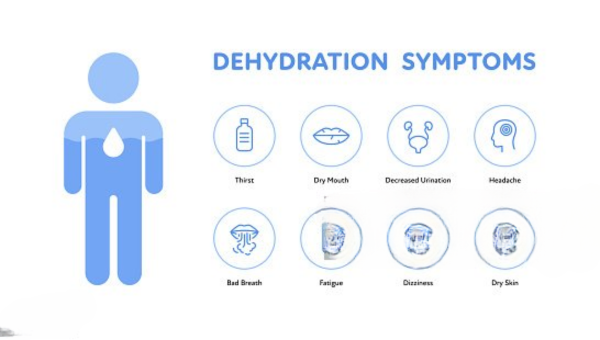
Early or mild symptoms: Muscle aches, cramps, spasms especially in legs and arms; numbness and tingling around hands, feet, and the mouth; dry skin; brittle nails; fatigue; dental problems.
-
Severe symptoms: Convulsions or seizures, irregular heartbeat (arrhythmia), difficulty swallowing, laryngospasms (involuntary vocal cords contraction), memory impairment, and increased bone fragility leading to osteoporosis.
Prevention
Preventing calcium deficiency involves proactive nutritional and lifestyle strategies:
-
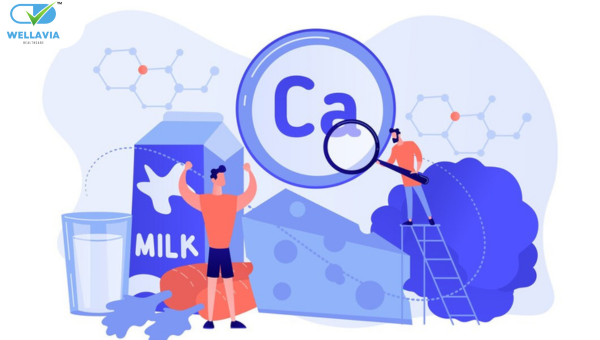
Balanced diet: Regular consumption of calcium-rich foods such as dairy products (milk, cheese, yogurt), leafy green vegetables (spinach, kale), nuts, and fortified foods.
-
Vitamin D supplementation: Ensures optimal calcium absorption and bone health.
-
Limit excess salt and caffeine: High intake can impair calcium retention.
-
Regular exercise: Weight-bearing activities help maintain bone density.
-
Special attention to vulnerable populations: Monitoring and supplementing calcium during pregnancy, breastfeeding, and old age.
Cure and Management
Deficiency is managed by correcting the underlying causes and restoring calcium levels through:
-
Calcium supplements: Often paired with vitamin D to enhance absorption.
-
Addressing medical causes: Treating hormonal imbalances, improving intestinal absorption, or changing medications if necessary.
-
Severe cases: Hospital-based treatments with intravenous calcium administration may be required.
-
Regular monitoring: Blood tests to assess calcium levels and bone density checks for long-term management.
Conclusion
Calcium deficiency is a significant health concern with the potential to affect multiple organ systems if left untreated. Early identification through symptoms and blood tests enables timely intervention. Adequate dietary intake, supplementation, and lifestyle modifications are key to maintaining healthy calcium levels. Ongoing medical supervision ensures effective management and prevention of serious complications such as osteoporosis and cardiac issues, safeguarding bone health and overall quality of life.