



Dehydration and health : Risks You Shouldn't Ignore
Oct 06, 2022
Dehydration occurs when the body loses more fluid than it takes in, impairing its ability to function properly. Though often overlooked, staying hydrated is critical because water plays key roles in regulating body temperature, transporting nutrients, and flushing out toxins. When dehydration sets in, even mild cases can sap energy, cause dizziness, and disrupt daily activities.The risks of dehydration go far beyond feeling thirsty. If untreated, dehydration can escalate to serious complications such as kidney problems, seizures, heat injury, and in extreme cases, life-threatening shock. Vulnerable groups like infants, older adults, and people with certain illnesses are particularly at risk and require special attention to fluid intake.
The important aspects of dehydration and its health risks:
-
Dehydration occurs when the body loses more fluids than it takes in, disrupting vital bodily functions.
-
Water is essential for regulating temperature, nutrient transport, and waste elimination, making hydration critical for overall health.
-
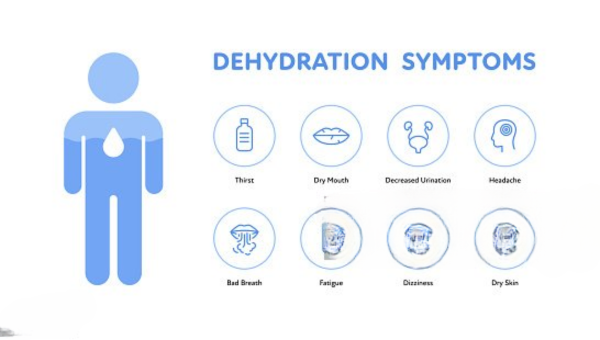
Early symptoms include dry mouth, thirst, reduced urine output, fatigue, dizziness, and headaches.
-
If untreated, dehydration can lead to serious complications such as kidney damage, seizures, heat stroke, and shock.
-
Vulnerable populations like infants, elderly, and those with chronic illnesses are at higher risk and need vigilant hydration.
-
Preventive measures include drinking adequate water, consuming hydrating foods, avoiding excessive heat exposure, and monitoring fluid loss during illness or exercise.
-
Medical intervention may be required in severe cases for fluid and electrolyte replenishment.
-
Maintaining good hydration supports energy, cognitive function, and overall well-being.
-
The key cures and treatments for dehydration:
-
Rehydration with fluids: Drink plenty of water and oral rehydration solutions (ORS) containing electrolytes to restore fluid balance.
-
Electrolyte replacement: Use ORS or electrolyte-rich drinks to replenish lost minerals like sodium, potassium, and chloride.
-
Hydrating foods: Consume fruits and vegetables with high water content such as watermelon, cucumber, oranges, and strawberries.
-
Avoid diuretics: Limit intake of caffeine and alcohol which can increase fluid loss.
-
Medical treatment: In severe cases, intravenous (IV) fluids may be necessary to rapidly restore hydration and electrolyte levels.
-
Preventive lifestyle: Maintain regular fluid intake throughout the day, especially during hot weather, exercise, or illness, to prevent dehydration.
-
Monitor symptoms: Seek medical care if symptoms like confusion, rapid heartbeat, fainting, or severe weakness occur.
Dehydration is a common yet potentially serious condition that affects the body’s vital functions by disrupting its fluid balance. Recognizing the early signs and symptoms—such as dry mouth, fatigue, dizziness, and reduced urine output—is essential for timely intervention. Untreated dehydration can lead to severe complications including kidney problems, heat injuries, seizures, and shock. Vulnerable groups like children, the elderly, and people with certain medical conditions require special care to maintain adequate hydration. Simple daily habits, such as drinking enough water, consuming hydrating foods, and avoiding excessive heat exposure, can prevent dehydration and support overall health. When symptoms worsen or do not improve, prompt medical attention is crucial to restore proper hydration and avoid long-term consequences. Prioritizing hydration is not only vital for physical health but also enhances energy, cognitive function, and well-being in everyday life.