



Understanding Motion Sickness : From Triggers to Treatments
Oct 06, 2022
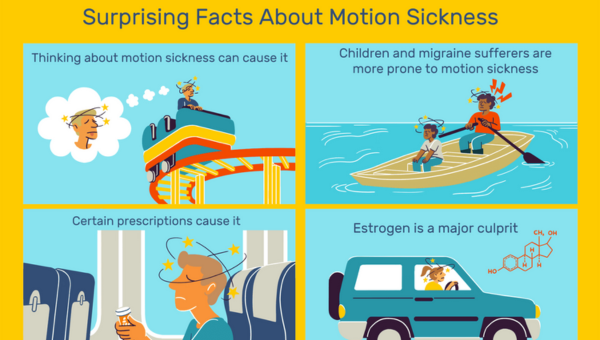
Motion sickness is a common condition experienced during travel, caused by conflicting signals sent to the brain from the inner ear, eyes, and body about movement. This sensory mismatch typically occurs when the motion sensed by the inner ear does not match the visual cues received, leading to symptoms such as nausea, dizziness, cold sweats, headaches, and vomiting.Common triggers include car rides, boat trips, airplane flights, and amusement park rides. People who are more susceptible include children, pregnant women, and those prone to migraines. The symptoms can vary from mild discomfort to severe incapacitation, often disrupting travel plans and daily activities.Prevention and management strategies focus on minimizing sensory conflict and supporting the body’s equilibrium. Practical tips include choosing seats with the least motion (such as front seats in cars or midships on boats), keeping eyes fixed on the horizon, and avoiding reading or screen time during travel. Medication like scopolamine patches or antihistamines taken before travel can effectively reduce symptoms. Natural remedies such as ginger and acupressure wristbands may offer relief for some individuals, although evidence is mixed.
Key Factors
-
Sensory conflict between signals from the inner ear (vestibular system), eyes, and body position causes motion sickness.
-
Genetic predisposition influences susceptibility, with women and children being more prone.
-
Environmental triggers include travel by car, plane, boat, train, and amusement park rides.
-
Other risk factors: history of migraines, pregnancy, anxiety, poor ventilation, and motion exposure duration.
Causes
-
Mismatch between visual input (what the eyes see) and vestibular input (balance and movement sensed by inner ear).
-
Examples: When inside a moving car but not able to see outside, or reading while traveling.
-
Neurological processing confusion leading to nausea and dizziness.
Symptoms
-
Nausea and vomiting.
-
Dizziness and headache.
-
Cold sweats and pallor (pale skin).
-
Fatigue, irritability, loss of appetite.
-
Excessive salivation and sometimes difficulty concentrating.
Relief and Prevention
-
Focus on stable visual points like the horizon.
-
Choose seating locations with least motion (front seat in car, midship on a boat).
-
Avoid reading or screen time during motion.
-
Use medications such as antihistamines and scopolamine as prescribed.
-
Natural remedies like ginger or acupressure wristbands may offer relief.
-
Ensure fresh air and avoid heavy meals before travel.
-
Gradual exposure to motion can build tolerance over time.