
Cocid 40mg Tablet 10s
 Item requires a valid prescription
Manufactured By TABLETS INDIA LTD
Composition Pantoprazole(40mg)
Rs 67.20
MRP Rs 80.00
(16% OFF)
Includes all taxes
Package SIZE
( 1 Pcs )

100% Authentic
Products

Free
Shipping*

Products
Return Policy
Available Substitutes
-
Pantafol 40mg Tablet 10s
LEEFORD HEALTHCARE LTD
Rs 41.63
40 % OFF Rs 69.38 -
Pantosec 40mg Tablet 10s
CIPLA LTD
Rs 86.14
40 % OFF Rs 143.56 -
Pentaloc 40mg Tablet 15s
CADILA PHARMACEUTICALS LTD
Rs 86.18
40 % OFF Rs 143.63 -
Pazom 40mg Tablet 10s
ELDER PHARMACEUTICALS LTD.
Rs 143.40
40 % OFF Rs 239.00 -
Pansped 40mg Tablet 10s
TORRENT PHARMACEUTICALS LTD
Rs 93.64
40 % OFF Rs 156.06 -
P 40 Tablet
ALKEM LABORATORIES LTD
Rs 67.50
40 % OFF Rs 112.50 -
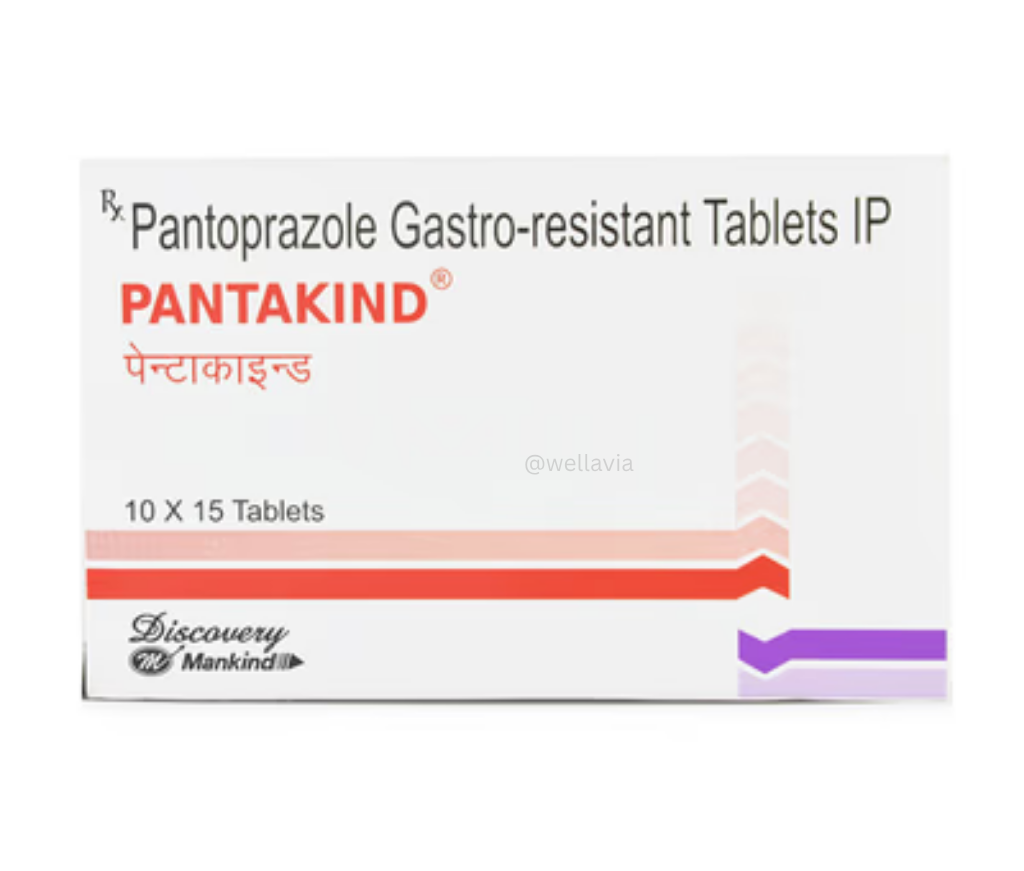
Pantakind 40mg Tablet 15 S
MANKIND PHARMA LTD
Rs 66.73
16 % OFF Rs 79.44 -
Prat 40mg Tablet 15s
ALTEUS BIOGENICS PVT LTD
Rs 152.75
16 % OFF Rs 181.84 -
pantocid 40mg 15s tablet
SUN PHARMACEUTICAL INDUSTRIES LTD
Rs 152.78
16 % OFF Rs 181.88
Uses / Indications: It's always best to talk to your doctor or pharmacist before starting Cocid 40mg or any new medication, especially if you have other health conditions or are taking other medicines.
Drug Interactions:
Other Medications: Cocid can interact with certain medications, potentially making them less effective or increasing the risk of side effects. This is especially true for medications used to treat heart conditions, blood thinning medications (anticoagulants), and some antibiotics. Always tell your doctor about all the medications, vitamins, and supplements you are taking.
Alcohol: Combining Cocid with alcohol can increase the risk of side effects, such as dizziness and drowsiness. It's best to avoid alcohol while taking this medication.
Food and Lifestyle Interactions:
Grapefruit: Grapefruit and grapefruit juice can interact with Cocid, affecting how your body processes the medicine. Avoid grapefruit while taking this medication.
Diet: Maintain a balanced diet and stay hydrated while taking Cocid. This can help your body process the medication and reduce potential side effects.
Medical Conditions and Warnings:
Liver Problems: If you have liver problems, Cocid may not be suitable for you, as it is processed by the liver. Your doctor will need to assess your liver function before prescribing this medication.
Kidney Problems: Cocid is excreted through the kidneys. If you have kidney problems, your doctor may need to adjust your dose or choose a different medication.
Pregnancy and Breastfeeding: Cocid may not be safe during pregnancy or breastfeeding. Discuss this with your doctor before taking it if you are pregnant, planning to become pregnant, or breastfeeding.
Allergic Reactions: Some people may experience allergic reactions to Cocid. Stop taking the medication and seek immediate medical attention if you experience symptoms such as rash, itching, swelling, or difficulty breathing.
This information is for general knowledge only and does not replace professional medical advice. Always consult your doctor or pharmacist for personalized guidance.
- Product composition:
- Pantoprazole(40mg)
Drug Interactions:
Other Medications: Cocid can interact with certain medications, potentially making them less effective or increasing the risk of side effects. This is especially true for medications used to treat heart conditions, blood thinning medications (anticoagulants), and some antibiotics. Always tell your doctor about all the medications, vitamins, and supplements you are taking.
Alcohol: Combining Cocid with alcohol can increase the risk of side effects, such as dizziness and drowsiness. It's best to avoid alcohol while taking this medication.
Food and Lifestyle Interactions:
Grapefruit: Grapefruit and grapefruit juice can interact with Cocid, affecting how your body processes the medicine. Avoid grapefruit while taking this medication.
Diet: Maintain a balanced diet and stay hydrated while taking Cocid. This can help your body process the medication and reduce potential side effects.
Medical Conditions and Warnings:
Liver Problems: If you have liver problems, Cocid may not be suitable for you, as it is processed by the liver. Your doctor will need to assess your liver function before prescribing this medication.
Kidney Problems: Cocid is excreted through the kidneys. If you have kidney problems, your doctor may need to adjust your dose or choose a different medication.
Pregnancy and Breastfeeding: Cocid may not be safe during pregnancy or breastfeeding. Discuss this with your doctor before taking it if you are pregnant, planning to become pregnant, or breastfeeding.
Allergic Reactions: Some people may experience allergic reactions to Cocid. Stop taking the medication and seek immediate medical attention if you experience symptoms such as rash, itching, swelling, or difficulty breathing.
This information is for general knowledge only and does not replace professional medical advice. Always consult your doctor or pharmacist for personalized guidance.
- Pregnancy interaction:
- Cocid 40mg tablets (containing codeine) are not recommended for use during pregnancy. Codeine is an opioid analgesic, and its use during pregnancy carries significant risks. Therefore, it's crucial to consult a doctor before taking any medication during pregnancy.
Safety: Codeine is categorized as a pregnancy risk category C. This means that studies in animals have shown adverse effects, and there is no adequate data in humans. The risks to the developing fetus include respiratory depression (slowed breathing) and withdrawal symptoms in the newborn.
Purpose: Cocid, containing codeine, is primarily used to relieve mild to moderate pain and cough. However, safer alternatives exist during pregnancy.
Medical Supervision: It is absolutely essential to consult a doctor or other qualified healthcare professional before taking Cocid or any medication during pregnancy. They can assess the risks and benefits, considering your specific situation and recommending safer alternatives to manage pain or cough. Self-medicating with codeine during pregnancy is strongly discouraged.
- Expert advice:
- Expert Advice: Cocid 40mg Tablet 10s
Dosage and Timing: Always follow your doctor's prescribed dosage and schedule. Do not exceed the recommended dose. Take the tablets with a full glass of water, preferably with food to minimize stomach upset. Maintain consistent timing for each dose to ensure optimal blood levels.
Complete the Course: Finish the entire course of medication as directed, even if you feel better before the prescribed duration is complete. Stopping early can lead to treatment failure and potential recurrence of infection.
Hydration: Drink plenty of fluids throughout your treatment. Adequate hydration aids in flushing out toxins and supports overall health.
Diet and Lifestyle: Maintain a balanced diet rich in fruits, vegetables, and whole grains. Avoid excessive alcohol consumption during treatment as it can interfere with the medication's effectiveness and potentially worsen side effects.
Medication Interactions: Inform your doctor about all other medications, supplements, or herbal remedies you are currently taking. Some medications may interact negatively with Cocid.
Allergic Reactions: Be aware of potential allergic reactions such as rash, itching, swelling, or difficulty breathing. Stop taking the medication immediately and seek medical attention if you experience any allergic symptoms.
Liver Function: Cocid can affect liver function. Your doctor may recommend regular liver function tests, particularly if you have pre-existing liver conditions.
Pregnancy and Breastfeeding: Inform your doctor if you are pregnant, breastfeeding, or planning to become pregnant. Cocid may not be suitable during pregnancy or breastfeeding.
Driving and Operating Machinery: Be aware that Cocid may cause drowsiness or dizziness. Avoid driving or operating machinery until you know how the medication affects you.
Missed Dose: If you miss a dose, take it as soon as you remember unless it is almost time for your next dose. Do not double the dose to make up for a missed one.
Storage: Store the medication in a cool, dry place, away from direct sunlight and out of reach of children.
Follow-up: Schedule a follow-up appointment with your doctor as instructed to monitor your progress and ensure the treatment is effective. Report any persistent or worsening symptoms.
Disclaimer: This information is for general knowledge and does not constitute medical advice. Always consult your doctor or pharmacist before starting any medication.
- Side Effects:
- Cocid 40mg tablets, like all medications, can cause side effects, although not everyone experiences them. It's important to be aware of both common and serious possibilities.
Common Side Effects:
Nausea
Vomiting
Diarrhea
Stomach pain or discomfort
Headache
Dizziness
Sleepiness
Serious Side Effects that require medical attention:
Severe allergic reactions (e.g., rash, swelling of the face, lips, tongue, or throat, difficulty breathing)
Jaundice (yellowing of the skin or eyes)
Dark urine
Light-colored stools
Persistent or severe abdominal pain
Unusual bleeding or bruising
Note: This is not an exhaustive list of all possible side effects. If you experience any other unusual or concerning symptoms, contact your doctor or pharmacist immediately.
- How to use:
- How To Use Cocid 40mg Tablet 10s:
Take the tablet as prescribed by your doctor. Do not change the dose or stop taking the medication without consulting your doctor.
Swallow the tablet whole with a glass of water. Do not crush, chew, or break the tablet.
The best time to take Cocid is usually with food. This helps to reduce stomach upset. Follow your doctor's specific instructions.
If you miss a dose, take it as soon as you remember. If it is almost time for your next dose, skip the missed dose and continue with your regular schedule. Do not take a double dose to make up for a missed one.
Store the tablets in a cool, dry place, away from direct sunlight and moisture. Keep them out of reach of children and pets.
If you experience any side effects, contact your doctor or pharmacist immediately.
Important Note: This information is for general guidance only and does not replace the advice of a healthcare professional. Always follow your doctor's instructions carefully.
- How it works:
- Cocid 40mg tablets are used to treat certain types of infections. They work by targeting the infection's cause and stopping its growth.
The main active ingredient (assuming it's a single-ingredient medication, as the name doesn't specify otherwise): This ingredient is likely an antibiotic, designed to fight bacteria. It works by interfering with the bacteria's ability to build and repair its cell walls. Without these walls, the bacteria can't survive and are destroyed.
How it works together (if multiple ingredients): If there are multiple active ingredients, they often work together in different ways to tackle the infection more effectively. One might weaken the bacteria's cell walls, while another might stop the bacteria from reproducing. This combination increases the chances of successfully eliminating the infection and reducing the risk of resistance developing.
Important Note: This explanation is a general overview and might not be entirely accurate without knowing the specific active ingredient(s) in your Cocid 40mg tablet. Always refer to the patient information leaflet provided with your medication or speak to your doctor or pharmacist for detailed information specific to your prescription. They can explain how the medication will work for your particular condition.
- Faq for medicine:
- What is Cocid 40mg Tablet 10s used for?
Cocid 40mg tablets contain the active ingredient sulfadiazine, an antibiotic used to treat certain bacterial infections. It's commonly prescribed for urinary tract infections and some other bacterial infections as directed by a doctor. It's important to only take this medication as prescribed and not for other conditions.
How should I take Cocid 40mg tablets?
Always follow your doctor's instructions carefully. The usual dose and frequency will be specified on your prescription label. Generally, you should take the tablets with a full glass of water. Do not crush or chew the tablets.
What are the common side effects of Cocid 40mg tablets?
Common side effects can include nausea, vomiting, diarrhea, stomach upset, and allergic reactions (rash, itching). If you experience any severe or persistent side effects, contact your doctor immediately.
What should I do if I miss a dose of Cocid 40mg tablets?
If you miss a dose, take it as soon as you remember unless it's almost time for your next dose. Never take a double dose to make up for a missed one.
Are there any important precautions I should take while using Cocid 40mg tablets?
Inform your doctor about any other medications you are taking, including over-the-counter drugs and herbal remedies, as some may interact with Cocid. It's also crucial to tell your doctor about any allergies you have, especially to sulfa drugs. Drink plenty of fluids while taking this medication. Do not take Cocid if you are pregnant, breastfeeding, or have certain kidney or liver problems without first consulting your doctor.
Can I drink alcohol while taking Cocid 40mg tablets?
It's best to avoid alcohol while taking Cocid 40mg tablets, as alcohol can increase the risk of side effects. Always consult your doctor or pharmacist if you have any concerns about interactions with other substances.
- Medicine interaction:
- It's crucial to tell your doctor about all medications, supplements, and even herbal remedies you're taking, including over-the-counter drugs, before starting any new treatment like Cocid 40mg tablets. This is because some substances can interact with Cocid (which contains sulfadiazine and pyrimethamine, commonly used to treat toxoplasmosis), potentially reducing its effectiveness or causing harmful side effects. Always consult a healthcare professional before combining medications.
Here are some examples of drug classes or substances that may interact with Cocid:
Warfarin (blood thinner): Cocid can increase the risk of bleeding when taken with warfarin. This is because both medications affect blood clotting. Careful monitoring of blood clotting is necessary.
Methotrexate (used for cancer and autoimmune diseases): Cocid and methotrexate can both cause bone marrow suppression, increasing the risk of serious blood disorders. This interaction necessitates close monitoring of blood counts.
Folic acid supplements: Pyrimethamine, a component of Cocid, is a folic acid antagonist. Taking folic acid supplements along with Cocid might reduce the effectiveness of pyrimethamine. Your doctor may need to adjust the dosage.
Other medications that affect the bone marrow: Similar to methotrexate, other drugs impacting bone marrow function (like certain chemotherapy drugs) may increase the risk of blood disorders when combined with Cocid.
Diuretics (water pills): Some diuretics can increase the risk of sulfadiazine-related side effects, such as kidney problems.
Alcohol: Excessive alcohol consumption can increase the risk of liver damage, a potential side effect of Cocid.
Certain antibiotics: Some antibiotics may interact with Cocid, either reducing its effectiveness or increasing the risk of side effects.
Other sulfa drugs: Taking other medications containing sulfa (sulfonamides) alongside Cocid increases the risk of sulfa-related side effects.
This list is not exhaustive, and other interactions are possible. Always consult your doctor or pharmacist before taking Cocid with any other medication, supplement, or herbal remedy.